
- How to Identify Roof Damage from Windborne Debris
- Steps to Repair Roof Damage from Windborne Debris
- Real-Life Example of Roof Damage from Storms
- Preventing Future Roof Damage from Windborne Debris
How to Identify Roof Damage from Windborne Debris
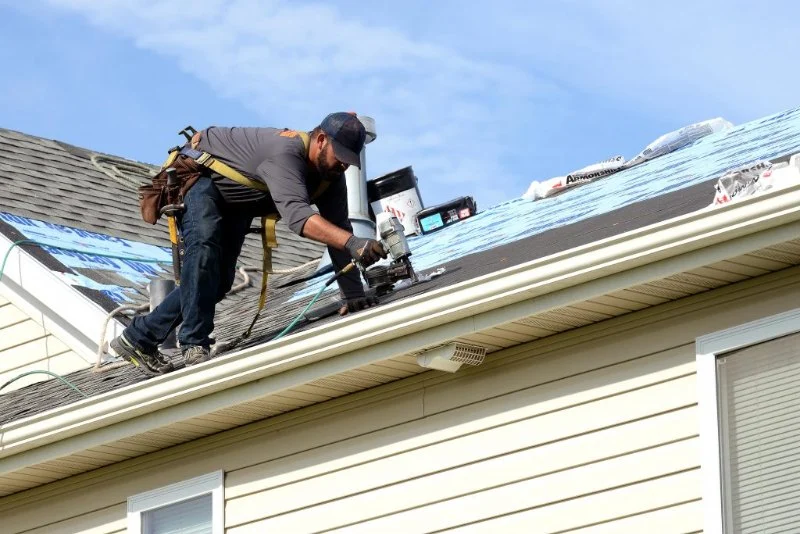
Windborne debris can cause significant damage to your roof during storms. Identifying this damage early can help prevent more serious problems later. Look out for these signs:
Missing or damaged shingles: One of the most common signs of windborne debris damage is missing shingles. Strong winds can tear off shingles or loosen them, creating gaps that allow water to penetrate the roof.
Cracked or dented roof materials: Flying debris like tree branches or hail can leave cracks or dents in your roof, compromising its ability to protect your home.
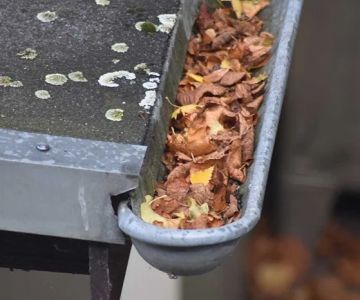
Granule loss: If you notice granules from asphalt shingles scattered around your yard or in your gutters, it indicates that the shingles may have been damaged, and the protective coating is coming off.
Leaks in the attic or ceiling: If water begins to leak into your attic or ceiling after a storm, it’s a sign that windborne debris may have caused damage to the roof structure, allowing moisture to seep in.

Beiler Brothers Roofing
New HollandLancaster CountyPennsylvania
836 Peters Rd, New Holland, PA 17557, USA
Steps to Repair Roof Damage from Windborne Debris
After identifying roof damage from windborne debris, it’s crucial to repair it as soon as possible to prevent further damage. Follow these steps:
Step 1: Inspect the damage thoroughly: Use a ladder to carefully inspect your roof for missing or damaged shingles, cracks, and granule loss. Be cautious when using a ladder, and consider hiring a professional if the damage is significant.
Step 2: Replace damaged shingles: For missing or cracked shingles, it’s best to replace them with new ones. Ensure the new shingles match the rest of the roof and are secured with nails to prevent further displacement during future storms.
Step 3: Seal leaks: If you’ve identified leaks in your attic or ceiling, apply a roof sealant or roofing cement to the affected areas. This can help temporarily stop the water from entering until you schedule a more permanent repair.
Step 4: Repair dents or cracks: Small cracks or dents caused by debris can be patched with roofing cement or a roofing patch. For more extensive damage, professional repair may be necessary.

Big Country Exteriors
Haddon TownshipCamden CountyNew Jersey
323 Haddon Ave, Haddon Township, NJ 08108, USA
Real-Life Example of Roof Damage from Storms
A homeowner in Texas experienced roof damage after a severe windstorm. The storm caused branches to hit the roof, dislodging several shingles. After identifying the damage, the homeowner used roofing cement to seal minor cracks and replaced the missing shingles with new ones. By acting quickly, they avoided further water damage to the home and kept their roof intact. This example shows how timely repair can prevent long-term problems.
Preventing Future Roof Damage from Windborne Debris
While it’s impossible to completely eliminate the risk of windborne debris, there are steps you can take to minimize future damage:
Regular roof inspections: Conduct annual inspections to ensure your roof is in good condition, especially after severe weather events. Look for signs of wear and tear, and replace damaged shingles promptly.
Tree maintenance: Trim any overhanging branches that could fall onto your roof during a storm. Keeping trees healthy and away from your home will help reduce the risk of debris damage.
Consider impact-resistant roofing materials: If you live in an area prone to storms, consider investing in impact-resistant roofing materials. These materials are designed to withstand wind and debris more effectively than traditional roofing materials.



 Guardian Roof and Repair5.0 (1 reviews)
 ILIR'S CONSTRUCTION LLC5.0 (26 reviews)
 Elite Roofing Group5.0 (8 reviews)
 Porter Family Roofers LLC4.0 (45 reviews)
 Tri State Exterior Design LLC4.0 (95 reviews)
 Peak Roofing & Siding Co.3.0 (5 reviews)
 How to Install Roof Ice and Water Shield on Complex Roof Details
 How to Install Roof Snow Guards to Prevent Avalanches
 How to Paint a Roof: Is It a Good Idea and What Paint to Use?
 How to Install a Roof Vent for a Gas Water Heater or Furnace
 How to Install Roof Snow Guards on a Shingle Roof
 How to Identify and Repair Roof Damage from Tree Sap