
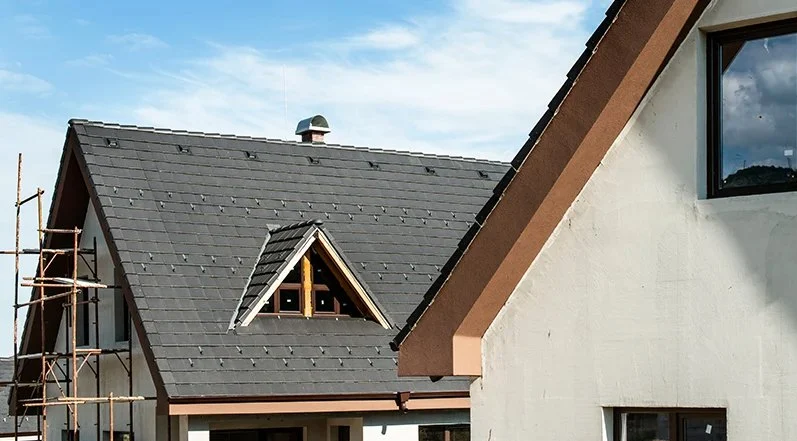
1. What is a Roofing Manufacturer's Installation Requirement?
When installing a new roof, it's crucial to follow the manufacturer's installation requirements. These requirements include specific guidelines set by the manufacturer to ensure that the roof is installed properly. These instructions are designed to maintain the integrity of the roofing materials and ensure that the roof functions as intended.
These guidelines cover various aspects of the roofing process, including the type of underlayment, the placement of shingles or tiles, ventilation needs, and more. By adhering to these requirements, homeowners can help avoid issues with their roofing system down the line.
Shamrock Contracting - NY Roofing Experts
Glenwood LandingNassau CountyNew York
62 Grove St, Glenwood Landing, NY 11547, USA
2. Why Roofing Installation Requirements Are Crucial for Your Warranty
Roofing warranties are an essential part of protecting your investment. However, many homeowners don't realize that failing to follow the manufacturer's installation requirements can void the warranty. Here’s why installation requirements are directly linked to warranty coverage:
- Ensures Proper Performance: Roofs are complex systems, and every component needs to be installed correctly to ensure optimal performance. Incorrect installation can lead to issues like leaks, premature wear, or even roof failure.
- Maintains Manufacturer’s Standards: Manufacturers set specific standards for how their products should be installed. Following these standards is essential for the warranty to remain valid, as manufacturers want to ensure their materials are used according to their design.
- Protects the Roof’s Lifespan: Proper installation ensures the longevity of your roof. If the roof is installed incorrectly, it may fail prematurely, causing you to lose the protection offered by your warranty.
3. Key Roofing Installation Requirements You Should Know
To help ensure that your roof installation is up to standard and your warranty stays intact, here are some common installation requirements to keep in mind:
- Underlayment Installation: Most manufacturers require a specific type of underlayment to be used beneath the shingles or tiles. This layer helps protect the roof from moisture and weather damage.
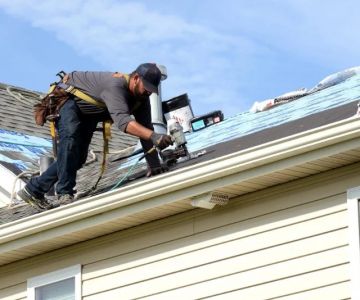
- Proper Nailing Techniques: Roofing nails need to be placed in the correct pattern and depth to ensure the shingles stay secure. Failing to do this can cause shingles to lift or even come loose over time.
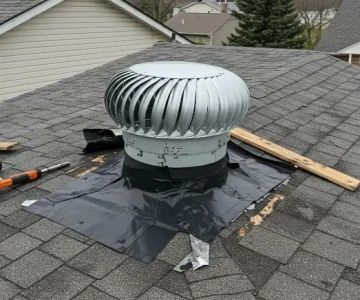
- Ventilation Guidelines: Adequate roof ventilation is essential for regulating temperature and moisture levels in your attic. Manufacturers typically specify the amount of ventilation needed to maintain roof health and ensure the warranty remains valid.
- Shingle Overlap: Roofing materials often have specific guidelines for overlap (how much the shingles should overlap one another) to avoid gaps that can let in water or wind.
4. What Happens if You Don’t Follow the Installation Requirements?
If the roofing installation does not meet the manufacturer’s guidelines, you risk invalidating your warranty. This can lead to costly repairs, especially if the roof fails prematurely. Common issues caused by improper installation include:
- Leaking: Incorrectly installed shingles or flashing can lead to leaks, which can cause damage to the interior of your home.
- Roof Damage: If nails are driven incorrectly or if ventilation isn’t sufficient, your roof can become damaged over time, leading to expensive repairs.
- Increased Maintenance Costs: Failure to install the roof properly may lead to more frequent maintenance, which can quickly add up.
5. How to Ensure Your Roof is Installed According to Manufacturer’s Requirements
Ensuring that your roof is installed correctly requires attention to detail and the right contractor. Here are a few tips for making sure your roof installation meets the manufacturer’s requirements:
- Hire a Certified Contractor: Work with a roofing contractor who is familiar with the manufacturer’s installation guidelines. Many manufacturers provide certification programs for contractors, ensuring they are trained in proper installation practices.
- Verify the Installation: Before the project begins, review the manufacturer’s installation manual with your contractor to ensure that they are aware of all the requirements. During the installation, check to ensure that they are following the guidelines carefully.
- Document the Process: Take photos and keep records of the installation process, including the materials used and the installation techniques. This documentation can be helpful if you ever need to make a warranty claim.
6. When to Contact a Roofing Manufacturer for Warranty Claims
If you suspect that your roof isn’t performing as it should, or if you’ve experienced issues that may be covered under the warranty, it’s essential to contact the roofing manufacturer. Before doing so, make sure you have documentation of the installation and any maintenance performed on the roof.
By contacting the manufacturer early, you can ensure that your warranty claim is processed smoothly and that you receive the necessary support for any roofing issues you may encounter.

 Guardian Roof and Repair5.0 (1 reviews)
 ILIR'S CONSTRUCTION LLC5.0 (26 reviews)
 Elite Roofing Group5.0 (8 reviews)
 Porter Family Roofers LLC4.0 (45 reviews)
 Tri State Exterior Design LLC4.0 (95 reviews)
 Peak Roofing & Siding Co.3.0 (5 reviews)
 How to Install Roof Ice and Water Shield on Complex Roof Details
 How to Install Roof Snow Guards to Prevent Avalanches
 How to Paint a Roof: Is It a Good Idea and What Paint to Use?
 How to Install a Roof Vent for a Gas Water Heater or Furnace
 How to Install Roof Snow Guards on a Shingle Roof
 How to Identify and Repair Roof Damage from Tree Sap