What is a Roofing Core Cut Test?
A roofing core cut test is a method used to assess the layers and overall condition of a roof. It involves cutting a small section, or "core," from the roof system to inspect the materials used in the roofing assembly. This test is typically done to evaluate the integrity of the roof, check for moisture penetration, and assess how well the roof is performing over time.
The core cut provides a cross-section view of the roof, revealing all layers, including the underlayment, insulation, and any membranes. This visual assessment allows roofing professionals to detect any issues like water damage, mold, or deterioration of materials that may not be visible from the surface.
Proof Exterior Inc. - Roofing in New Jersey
Upper Saddle RiverBergen CountyNew Jersey
600 E Crescent Ave suite 208 g, Upper Saddle River, NJ 07458, USA
Why a Roofing Core Cut Test is Important
Roofing core cut tests are an essential tool for understanding the overall health of a roof, especially for flat roofs and commercial buildings. Here’s why this test is so important:
1. Identifying Hidden Damage
Many roofing issues, such as water infiltration, mold, or insulation damage, can remain hidden beneath the surface. A core cut test allows for a closer inspection of these hidden problems by cutting through the layers of the roof. This enables contractors to identify potential issues before they lead to major damage or leaks.
2. Verifying Roof Installation
By cutting into the roof, you can also verify that the roofing materials were properly installed and meet the required specifications. This is particularly important for new roofs or during roof replacement projects, as it ensures that the installation is done according to industry standards and manufacturer recommendations.
3. Providing Accurate Assessments for Repairs
If your roof is showing signs of damage or deterioration, a core cut test can help roofing contractors determine the extent of the problem. This test can provide a more accurate assessment of the necessary repairs, helping to avoid unnecessary work and ensuring that repairs are targeted to the right areas of the roof.
When Should You Perform a Roofing Core Cut Test?
A core cut test is not something that should be done frequently, but there are certain situations where it is necessary. Below are some scenarios when this test may be required:
1. Roof Inspections
Routine roof inspections, particularly for older roofs, may include a core cut test to evaluate the current condition of the roofing system. If your roof is nearing the end of its lifespan or showing signs of wear, a core cut test can help assess whether it needs to be replaced or if it can be repaired.
2. After Significant Weather Events
Heavy storms, hail, or high winds can potentially damage your roof. A core cut test may be recommended after a significant weather event to check for water infiltration or damage that isn’t visible from the surface.
3. During Roof Renovations
If you're renovating your building or upgrading your roof, a core cut test is essential to understand the existing roofing structure. This helps contractors determine whether the current roof structure can support new materials or if additional work is needed before installing a new roof.
4. To Evaluate Roofing Performance
If you're experiencing leaks or other issues that suggest the roof is underperforming, a core cut test can help determine if the roofing system has suffered from moisture buildup, insulation damage, or other underlying problems.
How to Conduct a Roofing Core Cut Test
Performing a roofing core cut test requires specialized tools and expertise. Here’s an overview of how the process works:
1. Choosing the Location
The first step is selecting a location on the roof to perform the core cut. Ideally, this location should be somewhere that’s least likely to disrupt the overall roofing system or cause further damage. It's typically done in an inconspicuous area, such as near a corner or in an area that’s already showing signs of damage.
2. Cutting the Core
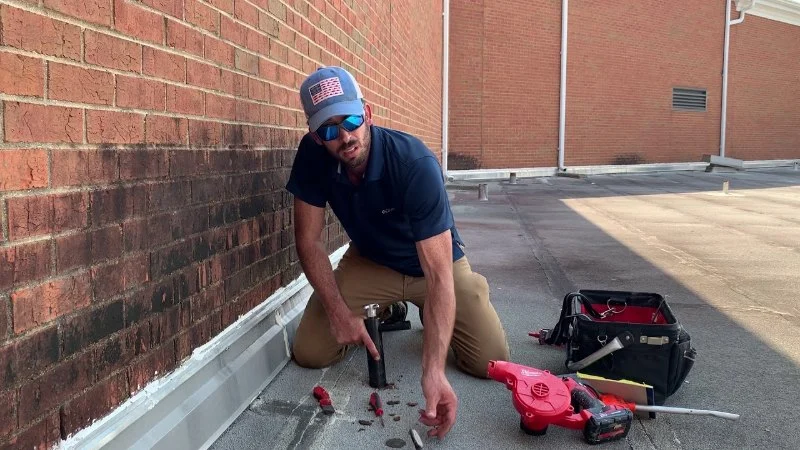
A roofing contractor uses a specialized tool, often called a core cutter, to remove a section of the roof. This tool creates a clean, cylindrical hole that cuts through all the roofing layers, exposing the underlying materials. The core is usually about 4–6 inches in diameter.
3. Inspecting the Layers
Once the core is removed, the roofing professional inspects the layers within the cut area. This includes checking for signs of moisture damage, mold, deterioration of the insulation, or improper installation of roofing materials. The core cut can reveal hidden problems that would otherwise go undetected.
4. Replacing the Core
After the inspection, the hole left by the core cut is typically sealed with a temporary patch or new roofing material. This helps prevent further water infiltration and ensures the roof remains intact until any necessary repairs or replacement work is completed.
Real-life Case Studies: The Impact of Core Cut Tests
Many roofing professionals have shared how the core cut test has helped them identify and address issues that weren’t visible during routine inspections. Take the case of John, a building owner who was concerned about leaks in his commercial building’s roof. “We had a core cut test done after noticing some water stains inside. The test revealed that the roof’s insulation had been compromised, and we were able to replace it before it caused major structural damage,” John explains.
In another case, Sarah, a homeowner, recalls how a roofing contractor used a core cut to assess her roof’s condition. “Our roof was old, and we kept getting small leaks. The contractor cut a sample, and it turned out that the underlayment had deteriorated. With that information, we were able to replace the roof before it completely failed, saving us from more expensive repairs,” she adds.
These real-life stories highlight how the roofing core cut test can be a game-changer in diagnosing roof issues that aren’t immediately apparent. By conducting this test, homeowners and building owners can make informed decisions about roof repairs or replacements, potentially saving thousands of dollars in the long run.
 Glover & Sons Roofing5.0 (6 reviews)
 IronClad Roofing5.0 (6 reviews)
 Craftsman Roofing and Masonry2.0 (8 reviews)
 Emmaty Exteriors4.0 (59 reviews)
 SeaCoast Roofing5.0 (10 reviews)
 Cook's Roofing4.0 (79 reviews)
 How to Choose a Roofing Contractor with Good Reviews and BBB Rating
 Does a New Roof Add Value to Your Home? ROI for Different Materials
 How to Install Roof Vents on a Hip Roof Design | BeachCo Roofing Hub
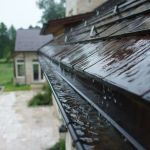 How to Prevent Roof Damage from Overflowing Gutters During Heavy Rain
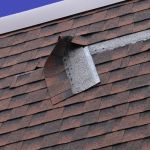 How to Prevent Roof Damage from Improper Storage of Materials
 How to Prevent Roof Damage from Nesting Birds and Pests