
- roof-valley-flashing-basics-understanding-what-it-is
- open-vs-closed-valleys-key-roof-design-differences
- why-open-valleys-leak-more-common-failure-points
- installation-mistakes-and-real-roofing-case-example
- maintenance-and-leak-prevention-expert-strategies
- when-to-call-professionals-and-where-to-get-help
Roof Valley Flashing and the Hidden Water Highway on Your Roof
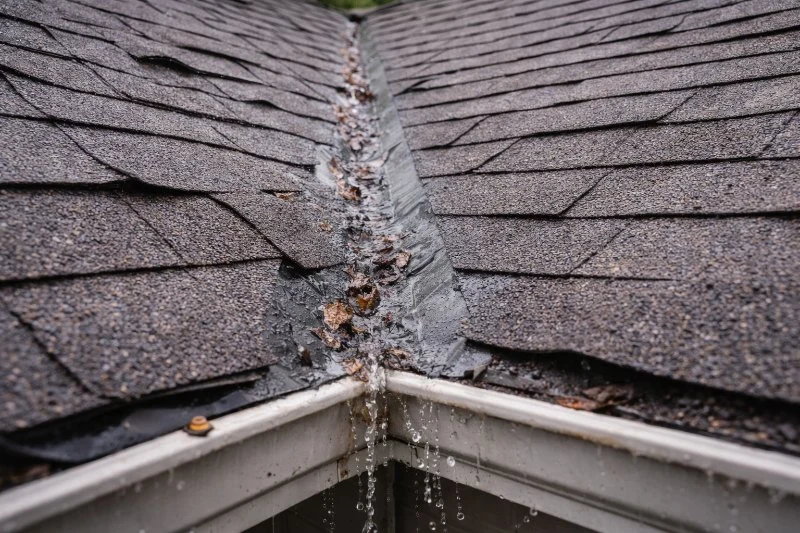
Most homeowners never think about roof valleys until something goes wrong. Yet these angled intersections are one of the most important drainage points on a roof system. A roof valley flashing system is essentially the protective metal layer installed where two roof slopes meet, guiding rainwater safely downward instead of allowing it to seep into the structure.
When it’s working properly, you barely notice it exists. But when it fails, even slightly, water doesn’t hesitate—it finds its way into underlayment layers, insulation, and eventually interior ceilings. That’s why understanding roof valley flashing is essential for anyone living in areas with heavy rainfall or seasonal storms.

Mr. Joe's Home Improvements LLC
BinghamtonBroome CountyNew York
50 Homer St, Binghamton, NY 13903, USA
How Roof Valley Flashing Actually Works in Real Conditions
1. The Function Behind the Metal
At its core, valley flashing is designed to act like a controlled water channel. Rain hitting your roof naturally flows toward the valley due to gravity. Without proper flashing, this flow would directly hit shingles and vulnerable seams.
Metal flashing—typically aluminum, galvanized steel, or copper—creates a smooth path that reduces friction and prevents water from backing up under roofing materials.

2. Why Valleys Handle More Water Than Any Other Roof Section
A common misconception is that all parts of a roof experience equal water exposure. In reality, valleys collect runoff from two entire roof planes, making them high-volume drainage zones. During heavy storms, a single valley can handle thousands of gallons of water flow over time.
That’s also why even small installation errors in this area can lead to major leaks.
Open Valleys vs Closed Valleys: The Structural Difference That Changes Everything
1. What Is an Open Valley Roofing System?
In an open valley design, the flashing remains visible. Shingles are cut back a few inches from the valley centerline, exposing the metal beneath. This allows water to flow directly over the flashing surface without obstruction.
2. What Is a Closed Valley Roofing System?
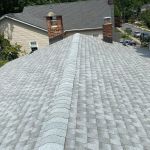
A closed valley hides the flashing underneath shingles. The shingles overlap in a woven or cut pattern, creating a seamless appearance. While this looks cleaner, it can sometimes restrict water flow depending on installation quality.
3. The Key Difference in Performance
Open valleys prioritize drainage efficiency. Closed valleys prioritize appearance. This simple difference becomes critical when storms intensify or debris accumulates.
Many roofing professionals prefer open valley systems in high-rain regions because they reduce the risk of clogging and backing water.
Why Open Valleys Leak More Often in Certain Conditions
1. Exposure Is a Double-Edged Sword
Although open valleys handle water efficiently, their exposed metal is more vulnerable to environmental stress. Over time, fasteners, seams, and flashing edges can degrade if not installed perfectly.
2. Common Leak Triggers
Leaks in open valleys often come from very specific issues rather than design flaws:
Poor nail placement near valley edges, improperly sealed overlaps, or debris accumulation can redirect water under the flashing instead of along it.
3. Real-World Example: A Suburban Roof Failure Case
A homeowner in a storm-heavy region noticed ceiling stains after a seasonal downpour. Inspection revealed that leaves had collected in the valley, creating a small dam. Water backed up and slowly seeped under the flashing edge.
The roof itself was only six years old, proving that even newer installations can fail if maintenance is ignored.
Installation Mistakes That Lead to Long-Term Roof Problems
1. Incorrect Flashing Width Selection
One of the most overlooked mistakes is choosing flashing that is too narrow for the roof pitch. Steeper slopes require wider channels to handle faster water flow.
2. Improper Shingle Cutting Techniques
If shingles are cut too tightly against the valley center, water can bounce sideways instead of flowing smoothly. This increases the chance of infiltration under the shingle layer.
3. Fastener Placement Errors
Nails placed too close to the valley center are a frequent cause of leaks. Even if sealed initially, thermal expansion and contraction can loosen these points over time.
These mistakes are often invisible until the first major storm exposes them.
How Weather and Environment Influence Valley Performance
1. Heavy Rain and Storm Frequency
Regions with frequent rainfall place continuous stress on valley systems. Water never truly stops flowing during rainy seasons, which accelerates wear.
2. Freeze-Thaw Cycles
In colder climates, water can freeze inside small gaps in the valley. As ice expands, it forces materials apart, gradually weakening seals.
3. Tree Coverage and Debris Buildup
Homes surrounded by trees face additional risks. Leaves, pine needles, and twigs can accumulate quickly, redirecting water flow and creating pressure points.
Maintenance Strategies That Actually Prevent Leaks
1. Seasonal Roof Inspections
Checking valleys at least twice a year helps catch early signs of wear. Look for discoloration, debris buildup, or lifted flashing edges.
2. Safe Cleaning Practices
Removing debris gently without damaging flashing edges is essential. High-pressure washing should be avoided because it can force water under shingles.
3. Professional Assessment Value
Roofing specialists often detect subtle early warning signs that homeowners miss. Small corrections early can prevent costly structural repairs later.
Many homeowners choose services from BeachCo Roofing Hub to ensure proper inspection and maintenance support for valley systems and flashing integrity.
When Roof Valley Issues Become Urgent
Not all valley problems start dramatically. Many begin as slow moisture intrusion that gradually spreads through insulation and framing. Signs like ceiling discoloration, musty odors, or isolated damp spots should never be ignored.
Once water reaches structural layers, repairs become significantly more complex and expensive. Early action is always the more cost-effective choice.
Understanding the Long-Term Value of Proper Valley Design
A well-installed roof valley system is not just about preventing leaks—it directly impacts roof lifespan. Proper drainage reduces material stress, prevents mold growth, and preserves structural integrity over decades.
Choosing between open and closed valley systems should never be based on appearance alone. Climate, roof pitch, and maintenance habits all play a role in determining which design will perform best for your home.
For homeowners evaluating roofing upgrades or repairs, understanding these differences provides a major advantage when making long-term property decisions.




 Cove Roofing Group - Roofing Contractors5.0 (4 reviews)
 Woodland HomeWorks5.0 (118 reviews)
 Storm Guard Roof Repair5.0 (226 reviews)
 Florentino & Sons Roofers4.0 (54 reviews)
 Classic Metal Roofs5.0 (138 reviews)
 Cunningham Contracting Inc4.0 (8 reviews)
 How to Repair a Roof Leak from a Rooftop Observatory or Dome
 How to Choose a Roofing Contractor That is Certified by Major Manufacturers
 How to Install Roof Heat Tape to Prevent Ice Dams
 The Best Roofing Materials for a Home in a Forested Area with High Moisture
 The Pros and Cons of a Black Roof vs. a White Roof
 How to Repair a Roof Leak in a Building with a Seamless Metal Roof