
- Understanding copper patina and how cleaning works without damaging the roof
- How solder repairs restore leaks and structural weak points
- When and how corroded copper roof sections are replaced
- Long-term maintenance strategies for copper roofing systems
- A real restoration project showing step-by-step decision making
Understanding Restoring a Copper Roof in Modern Roofing Practice
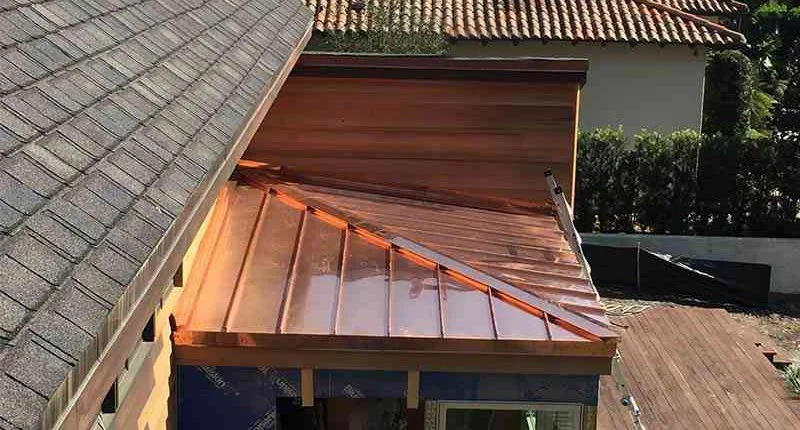
Restoring a copper roof is not just a maintenance task—it is a careful balance between preserving architectural beauty and ensuring long-term structural integrity. Copper is one of the few roofing materials that evolves visually over time, developing a protective patina that shields it from deeper corrosion.
However, when damage occurs through environmental exposure, poor installation, or long-term neglect, homeowners often face the challenge of deciding between cleaning, repairing, or replacing sections. Understanding how restoring a copper roof works helps avoid unnecessary replacement and preserves the value of the structure.
Copper Patina Cleaning Without Damaging the Roof
What patina actually does for copper roofing
Copper naturally forms a greenish or brown patina as it reacts with oxygen and moisture. This layer is not dirt—it is a protective barrier that slows corrosion and extends the roof’s lifespan. Removing it completely can actually reduce long-term durability if done incorrectly.
American Side Home Improvement, Inc.
Bay ShoreSuffolk CountyNew York
1667 Pine Grove Blvd, Bay Shore, NY 11706, USA
When cleaning becomes necessary
Patina cleaning copper roof surfaces is typically done for aesthetic restoration, especially on historic buildings or modern homes seeking a polished copper finish. In coastal areas, uneven patina formation can also indicate environmental stress that requires controlled cleaning.
Professional cleaning approach
Experts avoid harsh chemical stripping. Instead, they use mild acidic washes, soft brushing, and controlled rinsing techniques. Over-cleaning is one of the most common mistakes in copper roof restoration projects.
Solder Repairs and Structural Reinforcement
Why solder joints fail over time
Temperature changes cause copper to expand and contract. Over decades, this movement can weaken solder joints, leading to leaks. Roof vibration from wind or structural settling can accelerate this process.
How solder repairs restore integrity
Solder roof repairs involve reheating existing joints and applying compatible metal alloys to reseal cracks or gaps. Skilled technicians ensure the temperature is controlled to avoid damaging surrounding copper panels.
Real repair scenario
In one residential restoration case, a century-old home developed leaks around chimney flashing. Instead of replacing the entire section, roofers carefully re-soldered only the compromised seams, preserving 90% of the original copper structure while restoring full waterproofing.
Replacing Corroded Copper Roof Sections
When replacement becomes unavoidable
Although copper is highly durable, localized corrosion can occur in areas where moisture gets trapped. When corrosion penetrates beyond surface layers, replacing roof sections becomes more cost-effective than repeated patching.
Matching new copper with aged material
One of the biggest challenges in replacing roof sections is blending new copper with existing patina. Contractors often pre-oxidize replacement panels to match the surrounding color and texture.
Case example from a coastal property
A waterfront home experienced accelerated corrosion due to salt exposure. The restoration team replaced only the lower roof valleys, which were most affected, while preserving the upper sections. This targeted approach reduced cost and maintained architectural consistency.
Long-Term Maintenance for Copper Roofing Systems
Routine inspection importance
Regular inspections help identify early signs of wear such as seam separation, discoloration, or minor punctures before they become structural problems.
Environmental protection strategies
Homes in high-rain or coastal environments benefit from periodic rinsing to remove salt buildup and debris. This helps maintain even patina development and prevents localized corrosion.
Balancing restoration and preservation
Over-restoring a copper roof can sometimes be as damaging as neglect. The goal is not to make it look brand new, but to ensure it continues aging naturally while remaining structurally sound.
For homeowners seeking expert guidance or material sourcing for restoration projects, platforms like BeachCo Roofing Hub provide access to specialized roofing materials and professional insights tailored to copper systems.
Real Restoration Project Breakdown
Historic home renovation challenge
A historic building in a humid climate presented multiple roofing issues: patina inconsistency, leaking seams, and localized corrosion near drainage points.
Step-by-step restoration process
The restoration team followed a phased approach:
First, they assessed structural integrity using non-invasive inspection tools. Next, they performed targeted solder repairs on compromised seams. Finally, they replaced two severely corroded sections while preserving original copper where possible.
Outcome and long-term performance
After restoration, the roof regained full waterproofing while maintaining its historical appearance. The project demonstrated that restoring a copper roof is most effective when repair and preservation strategies are carefully balanced.
 Rob Nolfi Roofing4.0 (78 reviews)
 APlus Roofing and Restoration5.0 (39 reviews)
 UE Construction & Roofing5.0 (68 reviews)
 United roofing and concrete1.0 (7 reviews)
 RoofMasters5.0 (3 reviews)
 Bergenfield Roofing Repair Pro's Co5.0 (6 reviews)
 How to Install a Roof Underlayment for Maximum Water Protection
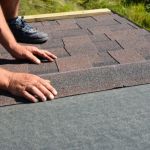 How to Install Roof Shingles in High Wind Conditions
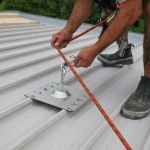 How to Install a Roof Anchor for Safety During Repairs
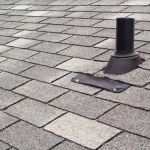 How to Install Roof Vents on a House with No Soffits
 The Best Way to Clean Roof Stains Without Damaging Shingles
 How to Prevent Roof Damage from Nesting Birds and Pests