
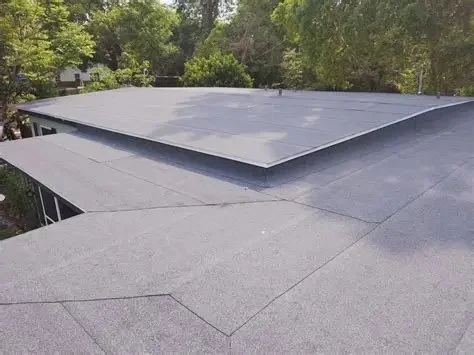
- roofing-basics-low-slope-systems - Understanding how flat roof structures manage water and durability challenges
- rolled-roofing-overview - Cost-effective solutions and when rolled roofing is a practical option
- modified-bitumen-details - Why modified bitumen roofing performs well under extreme weather conditions
- single-ply-membranes-explained - Comparing EPDM and TPO systems for modern roofing needs
- choosing-right-roof-system - How homeowners and property managers decide between different roofing materials
Understanding Low Slope Roofing Systems and Why They Matter
Low slope roofing solutions are a critical part of both residential and commercial construction, especially in regions where architectural styles favor modern, horizontal rooflines. Unlike steep-sloped roofs that naturally shed water quickly, low slope systems must actively manage drainage, waterproofing, and long-term exposure to standing moisture.
A homeowner in Florida once shared how their garage roof repeatedly leaked after heavy summer storms. The issue wasn’t just installation—it was the wrong roofing system entirely. After switching to a properly designed low slope membrane system, the problem disappeared permanently. This is a common scenario where material selection matters just as much as workmanship.
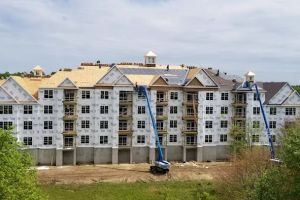
Rolled Roofing: Affordable Entry-Level Protection
Rolled roofing is often the first option people consider when working with tight budgets. It is typically made from asphalt-based materials and comes in large rolls that are installed in overlapping layers. While it doesn’t offer the same lifespan as premium systems, it can still serve well in specific applications such as sheds, detached garages, or temporary structures.
The biggest advantage of rolled roofing is its simplicity. Installation is relatively fast, which reduces labor costs significantly. However, its performance under extreme heat or prolonged rain exposure is limited, which is why it is generally not recommended for primary living structures.
A contractor in Texas once described rolled roofing as “a short-term shield, not a lifetime solution.” That statement captures its role perfectly—it is useful, but only in the right context.
Affordable Roofing / Gutters
MerrimackHillsborough CountyNew Hampshire
141 Daniel Webster Hwy, Merrimack, NH 03054, USA
Modified Bitumen Roofing: Built for Strength and Weather Resistance
Modified bitumen roofing represents a major step up in durability compared to rolled systems. It is constructed from asphalt combined with polymer modifiers, creating a material that is flexible yet highly resistant to cracking and thermal expansion.
This system is especially effective in regions with temperature swings. For example, buildings in the Midwest often experience freezing winters and hot summers within the same year. Modified bitumen handles this stress better than many traditional materials because it can expand and contract without losing integrity.
One real-world case involved a small commercial bakery in Chicago that struggled with recurring roof leaks every spring. After switching to a modified bitumen system, maintenance calls dropped dramatically, and the roof maintained consistent performance even during snow accumulation.
Compared to simpler systems, modified bitumen is more labor-intensive to install, but the trade-off is significantly longer service life and stronger waterproofing performance.
Single-Ply Membranes: Modern Efficiency for Low Slope Roofs
Single-ply membrane systems have become one of the most popular choices in modern construction. These include EPDM, TPO, and PVC membranes, each offering unique benefits depending on building requirements.
EPDM roofing is known for its rubber-like flexibility and long lifespan, making it ideal for buildings exposed to harsh weather conditions. TPO roofing systems, on the other hand, are valued for energy efficiency due to their reflective surfaces, which help reduce cooling costs in warmer climates.
A retail warehouse in Arizona once transitioned from an aging asphalt roof to a TPO single-ply system. The building manager reported noticeable reductions in interior temperature fluctuations and energy bills, especially during peak summer months.
Single-ply membranes are also easier to repair in many cases. Small punctures or seam issues can often be fixed without replacing large sections of roofing material, making maintenance more cost-effective over time.
Comparing Rolled Roofing, Modified Bitumen, and Single-Ply Systems
Choosing between these systems often depends on budget, climate, and long-term expectations. Rolled roofing is suitable for short-term or low-value structures, while modified bitumen offers a balanced mix of durability and affordability. Single-ply membranes typically represent the highest level of performance and efficiency.
A property investor managing multiple rental buildings in Nevada once explained that they use different systems strategically: rolled roofing for utility sheds, modified bitumen for mid-tier properties, and TPO membranes for high-value commercial units. This layered approach helps balance cost and performance across a portfolio.
Understanding these differences helps avoid one of the most common roofing mistakes—choosing a material based solely on upfront price rather than long-term value.
Installation Considerations and Long-Term Maintenance Insight
Even the best low slope roofing solution can fail if installed incorrectly. Proper surface preparation, sealing techniques, and drainage planning are essential to ensure long-term performance. Ponding water is one of the most common issues in low slope roofs, and if ignored, it can shorten the lifespan of any roofing system.
Routine inspection is equally important. Checking seams, flashing, and drainage points at least twice a year helps prevent minor issues from turning into major structural problems. Many professional roofers recommend post-winter inspections because freeze-thaw cycles often reveal hidden weaknesses.
In coastal regions, additional attention must be given to wind uplift resistance and salt exposure, which can degrade materials faster than inland environments.
How Professionals Evaluate the Right Roofing System
Roofing professionals typically evaluate three key factors before recommending a system: structural slope, environmental exposure, and building usage. A storage facility does not require the same roofing performance as a residential apartment building or a commercial restaurant.
For example, a beachfront property in California may prioritize UV resistance and salt tolerance, making single-ply membranes a strong choice. Meanwhile, a rural workshop might benefit more from modified bitumen due to its toughness and lower maintenance demands.
This decision-making process ensures that roofing systems are not only installed correctly but also aligned with real-world performance expectations.
Practical Guidance for Property Owners and Builders
When evaluating low slope roofing solutions, it is important to think beyond installation day. Long-term maintenance, energy efficiency, and repair accessibility all play a role in total cost of ownership.
Many property owners benefit from consulting experienced roofing suppliers who understand regional conditions and material performance trends. Platforms like BeachCo Roofing Hub can help connect users with suitable materials and service recommendations tailored to specific building needs.
Ultimately, the best roofing decision is not always the cheapest or the most advanced—it is the one that aligns with the building’s long-term function and environment.

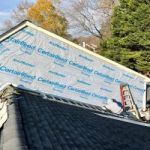 Harry & Sons Contracting Co Inc4.0 (13 reviews)
 CARRIER ROOFING SIDING & WINDOWS5.0 (64 reviews)
 Accomplished Chimney1.0 (5 reviews)
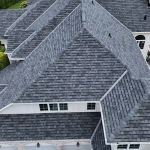 Braga Brothers Contracting5.0 (209 reviews)
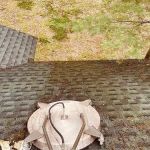 Serrano II Inc4.0 (36 reviews)
 Calvary Remodeling5.0 (1 reviews)
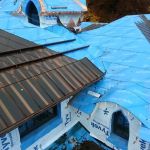 How to Install Roof Ice and Water Shield on Complex Roof Details
 How to Install a Roof Vent for a Gas Water Heater or Furnace
 How to Prevent Roof Damage from Clogged Gutters and Downspouts
 How to Prevent Roof Damage from Tree Root Systems Underneath the Structure
 How to Choose a Roofing Contractor That Uses Drones for Inspection and Estimates
 What is a Roofing Core Cut Test? When is it Necessary?