
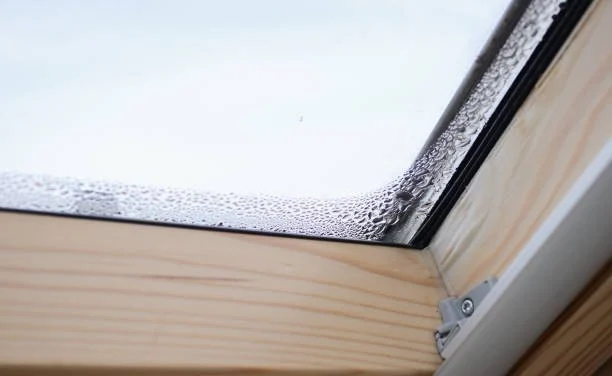
- skylight-condensation-causes - Why condensation forms on skylights and roof glass surfaces
- humidity-and-temperature - How indoor humidity and outdoor temperature differences create dripping
- ventilation-solutions - Improving airflow to reduce skylight moisture buildup
- insulation-and-installation - Structural factors that influence condensation problems
- seasonal-issues - Why skylight dripping worsens in winter and humid climates
- homeowner-mistakes - Common errors that increase condensation risk
- real-home-stories - Real examples of skylight condensation problems in US homes
- repair-and-prevention - Long-term strategies to stop interior dripping
- beachco-roofing-role - How BeachCo Roofing Hub helps homeowners solve skylight issues
Understanding Skylight Condensation and Why It Happens
When homeowners search for Skylight Condensation: Why It Happens and How to Reduce Interior Dripping, they are usually dealing with an unexpected and frustrating problem: water droplets forming on the inside of their skylight. What looks like a roof leak is often not a leak at all, but condensation caused by temperature imbalance and moisture in the air.
Skylights are particularly vulnerable because they sit directly between indoor warm air and outdoor cold air. When warm, humid indoor air rises and meets the cold glass surface of the skylight, moisture in the air condenses into water droplets. Over time, these droplets accumulate and begin to drip, often mistaken for roof damage.
This issue is common in many US regions, especially in areas with cold winters like the Midwest or humid climates such as the Southeast. Homeowners often panic, thinking their roof is failing, when in reality the cause is environmental and structural interaction rather than a physical roof breach.
Shamrock Contracting - NY Roofing Experts
Glenwood LandingNassau CountyNew York
62 Grove St, Glenwood Landing, NY 11547, USA
How Humidity and Temperature Differences Create Skylight Dripping
The science behind skylight condensation is straightforward but important. Warm air holds more moisture than cold air. When indoor air rises and reaches a cold skylight surface, it rapidly cools down. As it cools, it releases moisture in the form of water droplets.
This process becomes more intense in homes with high humidity levels. Activities like cooking, showering, and drying clothes indoors all increase moisture in the air. Without proper ventilation, this moisture has nowhere to go except upward—right into the skylight area.
A homeowner in Illinois once described how their kitchen skylight would drip heavily every winter morning. After inspection, the issue was not a leak but high indoor humidity combined with poor attic insulation. Once humidity was controlled, the dripping reduced significantly.
Improving Ventilation to Reduce Skylight Condensation
One of the most effective ways to address skylight condensation is improving ventilation throughout the home. Proper airflow helps regulate indoor humidity and prevents warm air from stagnating near the ceiling.
Exhaust fans in bathrooms and kitchens play a critical role. These fans remove excess moisture before it can rise and accumulate near skylights. Similarly, attic ventilation allows trapped warm air to escape, reducing temperature differences between indoor and outdoor surfaces.
In many older homes across states like New York or Pennsylvania, insufficient ventilation is a primary cause of skylight dripping. Upgrading ventilation systems often resolves the issue without requiring skylight replacement.
How Insulation and Installation Affect Skylight Moisture Problems
Poor insulation is another major contributor to skylight condensation. When warm indoor air escapes into cold attic spaces, it creates temperature imbalances that worsen condensation on skylight surfaces.
Proper insulation around the skylight frame helps maintain a stable temperature barrier. This reduces the likelihood of warm air meeting cold glass surfaces directly.
Installation quality also matters significantly. Improper sealing or outdated skylight models may allow air leaks that increase moisture buildup. Even a small gap can disrupt temperature control and lead to persistent dripping issues.
A roofing contractor in Colorado once noted that nearly 40% of skylight “leaks” they inspected were actually insulation or installation issues rather than structural roof damage.
Why Skylight Condensation Gets Worse in Certain Seasons
Seasonal changes play a major role in skylight condensation behavior. During winter, indoor heating increases temperature differences between inside and outside environments. This creates ideal conditions for condensation to form on cold skylight surfaces.
In summer, especially in humid regions like Florida or Louisiana, high moisture levels in the air can lead to similar condensation issues even without temperature extremes.
This seasonal fluctuation explains why many homeowners notice dripping only at certain times of the year. Understanding this pattern helps differentiate between structural issues and environmental causes.
Common Mistakes That Make Skylight Condensation Worse
Many homeowners unintentionally worsen skylight condensation without realizing it. One common mistake is sealing the home too tightly without maintaining proper ventilation. While energy efficiency is important, completely blocking airflow traps moisture indoors.
Another mistake is ignoring humidity levels. Indoor humidity above 50–60% significantly increases condensation risk, especially near skylights and windows.
Some homeowners also misdiagnose the problem as a roof leak and attempt unnecessary repairs, which do not address the actual moisture source.
A homeowner in Texas shared how repeated roofing repairs failed to solve their skylight dripping issue until they installed a dehumidifier and improved attic ventilation.
Real-Life Skylight Condensation Cases in American Homes
In a suburban home in Washington State, a family noticed constant water droplets forming on their kitchen skylight during winter mornings. Initially, they suspected roof damage and contacted multiple contractors. However, the real issue turned out to be high indoor humidity from cooking and limited kitchen ventilation.
After installing a stronger exhaust fan and adjusting heating patterns, the condensation issue was significantly reduced.
Another case in Georgia involved a newly renovated home where skylight dripping occurred shortly after installation. The problem was traced to insufficient insulation around the skylight frame, allowing warm attic air to meet cold glass surfaces.
These examples highlight how skylight condensation is often a combination of environmental and structural factors rather than a single cause.
Long-Term Strategies to Prevent Skylight Interior Dripping
Preventing skylight condensation requires a combination of humidity control, insulation improvements, and ventilation optimization. Dehumidifiers can help maintain stable indoor moisture levels, especially in humid regions.
Sealing air leaks around skylight frames and upgrading insulation materials can significantly reduce temperature differences that cause condensation.
Regular maintenance is also important. Checking for early signs of moisture buildup helps prevent long-term damage such as mold growth or ceiling staining.
These strategies work best when combined, creating a balanced indoor environment that minimizes condensation risk year-round.
How BeachCo Roofing Hub Helps Homeowners Solve Skylight Problems
BeachCo Roofing Hub provides homeowners with expert guidance and practical solutions for dealing with skylight condensation and related roofing issues.
Instead of focusing only on surface-level repairs, BeachCo Roofing Hub emphasizes understanding the root causes—whether it is humidity imbalance, insulation gaps, or ventilation inefficiencies.
Through expert recommendations and access to reliable roofing solutions, homeowners can better manage skylight performance and reduce interior dripping effectively.
For those struggling with recurring condensation issues, having access to structured roofing insights helps prevent unnecessary repairs and ensures long-term home protection.



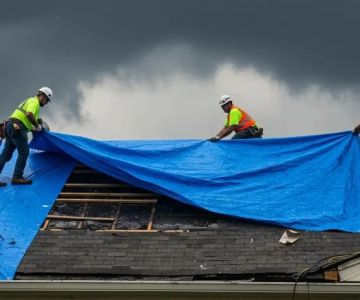
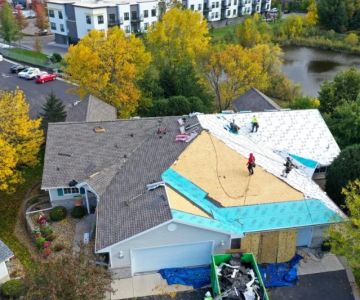
 Jbws Inc4.0 (1 reviews)
 City Wide Roofing Inc4.0 (90 reviews)
 BestQuality LLC0.0 (0 reviews)
 Capital Roofing & Gutters5.0 (7 reviews)
 Gunner Roofing4.0 (47 reviews)
 Side by Side Roofing Queens5.0 (2 reviews)
 How Many Layers of Shingles Can You Have on a Roof Before a Full Tear-Off Is Required?
 The Average Cost of a Roof Coating for a Large Commercial Building | BeachCo Roofing Hub
 How to Choose a Roofing Contractor That is Licensed in Multiple States
 How to Choose a Roofing Material for a Building in a Noise-Sensitive Area
 The Average Cost of a New Roof for a 2,000 Square Foot House
 How to Install a Roof Vent for a Gas Water Heater or Furnace