- Understanding-the-First-24-Hours-of-Roof-Damage
- Immediate-Safety-and-First-Response-Actions
- How-to-Assess-Roof-Damage-Without-Risking-Injury
- Temporary-Protection-Strategies-to-Stop-Further-Damage
- Documentation-and-Insurance-Claim-Preparation
- When-and-How-to-Call-Professional-Roofing-Help
- Real-Life-Storm-Damage-Case-Example
- Preventing-Future-Roof-Emergencies
- Final-Homeowner-Action-Roadmap
Understanding the First 24 Hours of Roof Damage
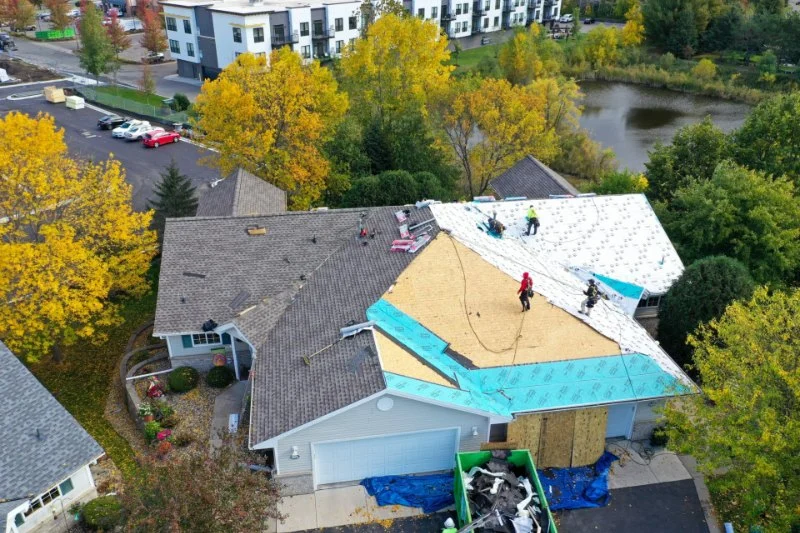
When a storm hits and your roof is suddenly compromised, the first 24 hours are the most critical window for protecting your home. Whether it’s wind tearing shingles away, hail puncturing layers, or heavy rain causing immediate leaks, the decisions you make during this short timeframe determine how severe the long-term damage becomes.
The 24-Hour Emergency Roofing Checklist is designed to help homeowners act quickly and correctly. Many people underestimate how fast water intrusion spreads inside a structure. A small leak can travel through insulation, drywall, and electrical systems within hours, turning a repairable issue into a major restoration project.
1. Why Speed Matters More Than Severity
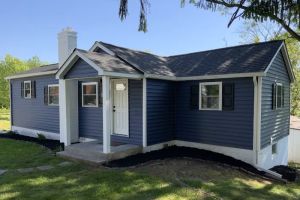
Even minor roof damage can escalate rapidly. Moisture infiltration begins weakening structural materials almost immediately, especially in wooden roof decking. Acting fast is less about panic and more about control.
2. The Hidden Risks Most Homeowners Miss
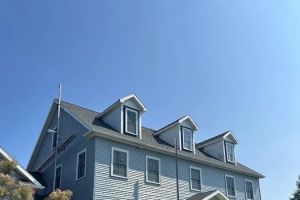
Beyond visible leaks, there are hidden issues like trapped moisture, mold development, and insulation saturation that begin forming early in the damage timeline.
Immediate Safety and First Response Actions
Before inspecting anything, safety must come first. Storm-damaged roofs can hide hazards like unstable shingles, exposed nails, or weakened structural beams.
1. Secure the Interior Environment
If water is entering your home, move furniture, electronics, and valuables away from the affected area immediately. Place buckets or waterproof containers under active leaks.
2. Turn Off Electrical Risks if Needed
If water is near electrical outlets or fixtures, shutting off power to affected areas reduces risk of electrical hazards. This is often overlooked but critically important.
How to Assess Roof Damage Without Risking Injury
One of the most dangerous mistakes homeowners make is climbing onto a damaged roof. Instead, assessment should be done from the ground whenever possible.
1. Visual Ground Inspection
Walk around your home and look for missing shingles, broken gutters, or debris scattered around the property. Binoculars can help you safely inspect higher areas.
2. Interior Leak Mapping
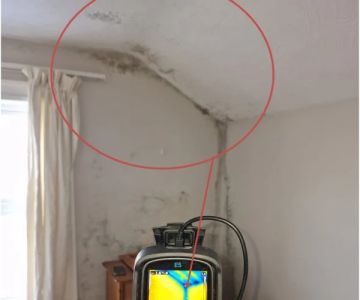
Inside the home, trace water stains or dripping points to estimate where the roof damage is located. This helps professionals respond faster and more accurately.
Temporary Protection Strategies to Stop Further Damage
Once immediate safety is addressed, the next step in the emergency roofing checklist is preventing additional damage.
1. Roof Tarping
Placing a tarp over exposed roof sections can prevent rain from entering. This is a temporary but highly effective solution when done correctly.
2. Interior Moisture Control
Use fans or dehumidifiers to reduce moisture buildup inside your home. This helps prevent mold growth within the first critical hours.
Documentation and Insurance Claim Preparation
Insurance claims often depend heavily on how well damage is documented immediately after the incident.
1. Photograph Everything
Take clear photos of roof damage, interior leaks, and surrounding storm conditions. Capture wide shots and close-ups for accuracy.
2. Keep a Timeline Record
Write down when the storm occurred, when leaks started, and what actions you took. This strengthens your insurance claim significantly.
When and How to Call Professional Roofing Help
While temporary fixes are helpful, professional intervention is essential for long-term repair.
At this stage, reaching out to a trusted service like BeachCo Roofing Hub ensures your roof is properly assessed and repaired using industry-standard practices. Professional roofers can identify hidden structural issues that homeowners often miss.
1. Emergency Response Timing
The sooner professionals are contacted, the lower the risk of secondary damage like mold or structural rot.
2. What Professionals Will Evaluate
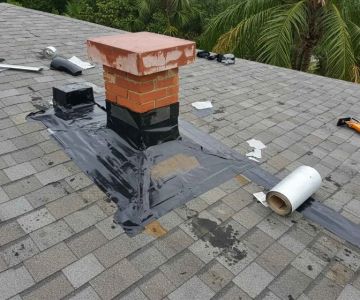
Roofers inspect shingles, flashing, underlayment, gutters, and attic conditions to create a complete repair strategy.
Real-Life Storm Damage Case Example
After a severe thunderstorm in Florida, one homeowner noticed only a small ceiling stain. Ignoring it overnight led to water spreading through insulation and damaging electrical wiring by morning. What could have been a minor repair turned into a full ceiling replacement.
This example highlights why the 24-hour response window is so important. Quick action could have limited damage to a small roof patch instead of extensive interior restoration.
Preventing Future Roof Emergencies
Prevention is always more cost-effective than emergency repair.
1. Routine Roof Inspections
Scheduling inspections before storm seasons helps identify weak points early.
2. Gutter Maintenance
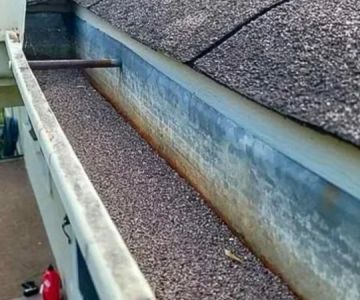
Clogged gutters contribute to water buildup, increasing roof stress during heavy rainfall.
3. Shingle Replacement Strategy
Replacing damaged shingles immediately prevents small issues from turning into major leaks.
Final Homeowner Action Roadmap
After roof damage occurs, the most effective approach is a structured response: ensure safety, prevent further water intrusion, document everything, and contact professionals as soon as possible.
Following the 24-Hour Emergency Roofing Checklist not only protects your home but also reduces repair costs and stress. For homeowners who want expert assistance, BeachCo Roofing Hub provides reliable support, inspection services, and repair solutions designed to restore safety quickly and effectively.
 Storm Guard Roofing of Chantilly-Dulles5.0 (84 reviews)
 Window Man0.0 (0 reviews)
 Fanwood Roofing Repair & Installation5.0 (8 reviews)
 Top Pro Roofing Contractor East Orange5.0 (1 reviews)
 Peter's General Construction LLC4.0 (107 reviews)
 Roof Maintenance & Systems, Inc.3.0 (7 reviews)
 Roofing Manufacturer's Approved Installer Program: What You Need to Know
 How to Repair a Roof Leak from a Rooftop Walkway or Bridge
 How to Repair a Roof Leak from a Rooftop Equipment Platform
 What is a Roofing Material Sustainability Certification? (e.g., LEED, Cool Roof)
 How to Choose a Roofing Contractor That Uses OSHA Safety Standards
 DIY Roof Inspection Checklist: How to Safely Assess Your Roof's Condition