
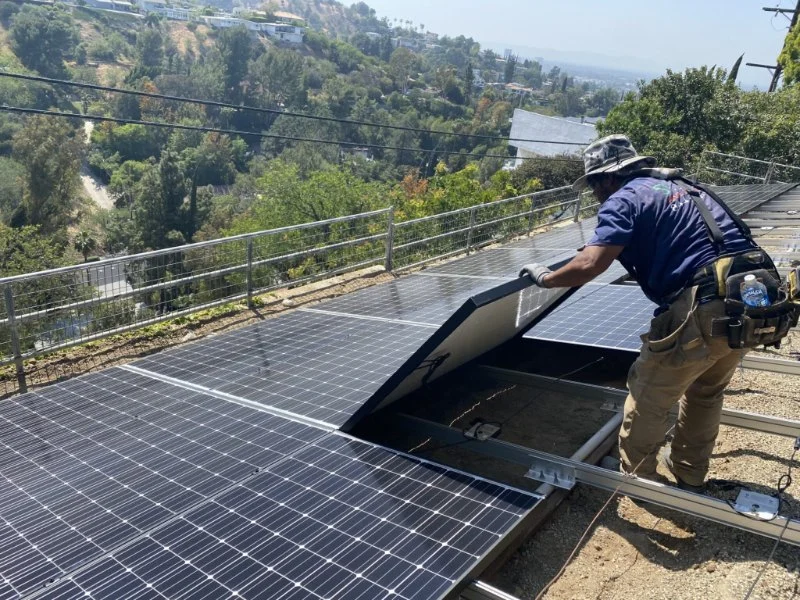
- Why Solar Panel Removal Matters During Roof Replacement - Key Considerations
- Typical Costs of Removing Solar Panels - Labor and Equipment
- Reinstallation Costs and Factors Affecting Pricing - What Homeowners Should Know
- Additional Expenses to Budget For - Permits, Inspections, and Upgrades
- Real-World Case Studies - Lessons from Homeowners
- Tips to Minimize Expenses - Planning and Coordination
- Choosing Professional Solar and Roofing Contractors - Ensuring Safety and Quality
- Insurance Considerations - Protecting Your Solar Investment
- Timeline and Coordination for a Smooth Project - Step-by-Step Approach
- Final Budgeting Advice - Planning for Peace of Mind
Why Solar Panel Removal Matters During Roof Replacement
Replacing your roof while maintaining an existing solar panel system requires careful planning. Unlike a traditional roof replacement, solar-equipped roofs add layers of complexity that can significantly influence both cost and timeline. The main reason removal matters is that most roofing contractors cannot install new shingles or roof materials safely under mounted solar panels without first disconnecting the solar array.

1. Avoiding Damage to Solar Equipment
Solar panels are delicate electrical equipment. Attempting a roof replacement without proper removal increases the risk of cracked panels, damaged wiring, or inverter problems. The costs of repairing or replacing damaged panels often exceed the removal and reinstallation fees, making professional handling essential.

2. Ensuring a Complete Roof Replacement
Proper roof replacement often requires access to the entire surface area. Skipping solar panel removal may lead to patchwork repairs rather than a comprehensive replacement, potentially compromising roof longevity.
Typical Costs of Removing Solar Panels
Costs vary depending on the size of the system, type of panels, and labor rates in your region. On average, homeowners can expect removal costs between $500 and $2,000 for residential systems, with larger arrays potentially costing more.
1. Labor Costs
Labor accounts for the majority of the removal cost. Technicians must disconnect panels safely, label wiring, and detach mounting hardware without damaging the roof or the system itself. In many regions, labor rates range from $50 to $100 per hour, and projects can take several hours depending on system complexity.
2. Equipment Handling Fees
Specialized tools, scaffolding, and safety equipment may also be required, especially for multi-story homes. While often included in contractor estimates, these costs can add a few hundred dollars to the total project.
Reinstallation Costs and Factors Affecting Pricing
Reinstalling solar panels after a roof replacement is equally critical. Costs are influenced by factors such as system size, panel type, roof slope, and wiring complexity. Typical reinstallation ranges from $600 to $2,500 for residential systems.
1. Complexity of Electrical Work
Systems with multiple strings, optimizers, or micro-inverters may require additional electrical expertise. Incorrect reinstallation could reduce system efficiency or violate local codes.
2. Roof Design Considerations
Sloped roofs, multiple roof planes, or unusual angles increase installation complexity and time. Contractors may charge more to ensure proper alignment and secure mounting.
3. Time and Coordination
Scheduling removal and reinstallation often involves coordinating roofing and solar contractors. Delays between removal and reinstallation can increase costs, especially if temporary protective measures are needed for exposed roofing areas.
Additional Expenses to Budget For
Beyond removal and reinstallation, homeowners may face extra costs when replacing a roof with solar panels.
1. Permits and Inspections
Many municipalities require permits for both roof replacement and electrical work. Permit fees can range from $100 to $500 depending on local regulations. Inspection fees may also apply to verify safe reinstallation and compliance with building codes.
2. Roof Material Upgrades
Choosing higher-grade shingles or underlayment for longevity can increase total costs but may offer better protection and extend the life of both the roof and solar system.
3. Temporary Protection Measures
During the gap between roof removal and solar reinstallation, protective coverings or temporary storage solutions may be required to prevent panel or roof damage.
Real-World Case Studies
Case Study 1: Midwestern Homeowner
A homeowner in Ohio had a 6 kW solar system on a 20-year-old roof. Removal cost $1,200, reinstallation cost $1,500, and permits added $300. Using professional contractors prevented panel damage and maintained efficiency.
Case Study 2: California Roof Replacement
A California family with a 10 kW system experienced a storm-damaged roof. Coordinating solar and roofing contractors reduced downtime and saved $1,000 compared to separate projects. Lessons included verifying permits and scheduling sequential work.
Tips to Minimize Expenses
1. Plan Ahead
Schedule solar removal and roof replacement simultaneously to reduce downtime and prevent temporary protective measures.
2. Use Experienced Contractors
Hiring certified solar technicians with roofing experience prevents accidental damage and ensures warranty compliance.
3. Review Permits Early
Early permit acquisition avoids delays and potential fines.
4. Bundle Projects
Some roofing and solar companies offer package pricing, which can reduce labor costs for combined removal and reinstallation.
Choosing Professional Solar and Roofing Contractors
Experienced contractors understand both roofing and solar panel systems, helping prevent common issues like incorrect wiring, misaligned mounts, and panel breakage.
1. Verify Certifications
Look for certified solar installers and licensed roofing contractors. Membership in professional organizations demonstrates reliability.
2. Check References and Reviews
Real-world feedback from past customers provides insight into quality, professionalism, and problem-solving ability.
Insurance Considerations
Before starting the project, verify whether your homeowners insurance or solar panel warranty covers potential damage during removal and reinstallation. BeachCo Roofing Hub offers guidance on policies that protect both roof and solar system investments.
Timeline and Coordination for a Smooth Project
Coordinating contractors, scheduling permits, and aligning delivery of materials are essential for minimizing downtime. A well-planned schedule reduces the risk of weather-related damage and keeps the project within budget.
Final Budgeting Advice
Homeowners replacing a roof with an existing solar panel system should budget for:
- Solar panel removal: $500–$2,000
- Roof replacement materials and labor
- Reinstallation of solar panels: $600–$2,500
- Permits and inspections: $100–$500
- Optional upgrades or code compliance costs
Planning ahead, using professional contractors, coordinating permits, and anticipating potential extra costs will ensure a smoother, safer project. For comprehensive guidance and to connect with qualified roofing and solar contractors, homeowners can consult BeachCo Roofing Hub to budget effectively and protect their investments.




 Paramount Exteriors LLC5.0 (9 reviews)
 Westend Exteriors5.0 (13 reviews)
 Champagne Roofing & Remodeling4.0 (10 reviews)
 Ream Roofing Associates0.0 (0 reviews)
 ELR Roofing LLC4.0 (16 reviews)
 Cedar & Copper5.0 (5 reviews)
 How to Repair a Roof Leak in a Building with a Fabric Membrane Roof
 How to Repair a Roof Leak from a Rooftop Greenhouse or Garden Structure
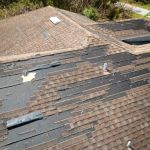 How to Identify and Repair Roof Damage from Air Pollution
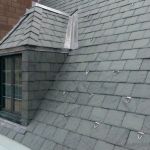 How to Install Roof Snow Guards on a Synthetic Slate Roof
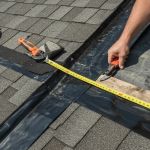 How to Install Roof Flashing on a Complex Roof with Multiple Pitches
 How to Choose the Best Roofing Material for a Rental Property