
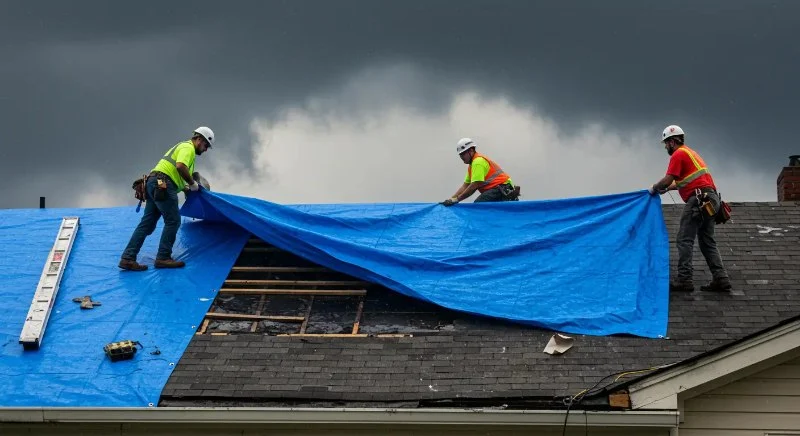
- 1-Understanding-The-Urgency-After-Storm-Roof-Damage
- 2-Immediate-Safety-Precautions-And-Assessment
- 3-How-To-Document-Storm-Damage-For-Insurance-Purposes
- 4-Identifying-Qualified-Emergency-Roof-Repair-Contractors
- 5-Researching-Local-Roofing-Services-Effectively
- 6-Questions-To-Ask-Potential-Roof-Contractors
- 7-Temporary-Roof-Protection-Measures
- 8-Real-Case-Examples-Of-Emergency-Roof-Repairs
- 9-Preventing-Future-Roof-Damage-Through-Maintenance
- 10-Using-BeachCo-Roofing-Hub-To-Find-Trusted-Contractors
1. Understanding The Urgency After Storm Roof Damage
Storms can leave roofs severely compromised in a matter of minutes. Fallen branches, heavy rain, hail, and high winds can all cause immediate damage, resulting in leaks, structural instability, or even complete roof failure. Recognizing the urgency of emergency roof repair is essential to prevent further property damage and maintain home safety.
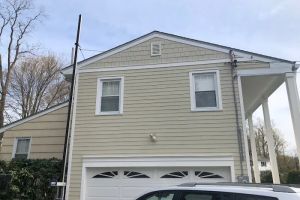
QNK Roofing Ct
GreenwichWestern Connecticut Planning RegionConnecticut
78 Oakridge St, Greenwich, CT 06830, USA
1.1 Why Immediate Response Matters
Even a small leak can lead to water damage inside walls, ceilings, and insulation. The longer a damaged roof remains unaddressed, the more extensive the damage becomes, and repair costs can quickly escalate.

1.2 Understanding the Risks
Storm-damaged roofs pose risks beyond water damage. Loose shingles, compromised structural elements, and exposed underlayment can create hazards for residents, including falling debris and increased energy loss.
2. Immediate Safety Precautions And Assessment
Before contacting contractors, homeowners should ensure their safety and minimize further damage.
2.1 Inspect From a Safe Distance
Do not climb onto a damaged roof after a storm. Structural integrity may be compromised, and slippery surfaces can lead to injury.
2.2 Protect People and Pets
Keep family members and pets away from areas with fallen debris or potential collapse zones.
2.3 Identify Visible Damage
From the ground, note missing shingles, punctured areas, and sagging roof sections. These observations will help contractors prioritize emergency repairs.
3. How To Document Storm Damage For Insurance Purposes
Proper documentation can streamline insurance claims and ensure you receive adequate compensation for repairs.
3.1 Photograph All Damaged Areas
Take clear photos from multiple angles, including shingles, gutters, vents, and any interior water damage.
3.2 Create a Detailed List
List all observed damages, estimated timing of the storm, and any temporary measures taken to mitigate further damage.
3.3 Notify Your Insurance Company Promptly
Contact your insurance provider immediately and submit documentation to begin the claim process. This step ensures coverage while avoiding delays that could hinder emergency repairs.
4. Identifying Qualified Emergency Roof Repair Contractors
Finding a reliable contractor quickly can be challenging, especially in widespread storm situations when many homeowners are seeking help simultaneously.
4.1 Look For Licensed and Insured Professionals
Always verify that contractors hold valid roofing licenses and carry liability and worker’s compensation insurance to protect your property and themselves.
4.2 Check References and Reviews
Ask for recent references and look for online reviews detailing emergency response, repair quality, and timeliness.
4.3 Assess Availability
During post-storm conditions, a contractor’s ability to respond immediately can make the difference between a minor repair and major water damage.
5. Researching Local Roofing Services Effectively
Time is critical after a storm. Effective research strategies can help you locate reputable contractors quickly.
5.1 Utilize Trusted Online Resources
Websites that specialize in connecting homeowners with local contractors, such as BeachCo Roofing Hub, provide verified listings and user ratings for emergency services.
5.2 Tap Into Community Networks
Local community boards, neighborhood social media groups, and recommendations from neighbors often reveal contractors with a proven track record of rapid storm response.
5.3 Compare Multiple Options
Even when time is limited, obtaining multiple quotes ensures fair pricing and avoids potentially fraudulent or unqualified services.
6. Questions To Ask Potential Roof Contractors
Before committing to a contractor, key questions can clarify their capability and reliability:
- Are you licensed and insured?
- Do you offer emergency services 24/7?
- Can you provide recent references for emergency storm repairs?
- What is your estimated response time?
- Will you provide a written quote and timeline?
7. Temporary Roof Protection Measures
While waiting for a contractor, temporary measures can help mitigate further damage.
7.1 Use Tarping
Secure a waterproof tarp over damaged areas to prevent water infiltration. Ensure it is anchored safely without causing additional damage.
7.2 Interior Precautions
Move valuables away from potential leaks and use buckets or towels to catch water until repairs are completed.
7.3 Avoid DIY Fixes That Could Cause Injury
Some repairs, such as walking on a compromised roof or attempting structural fixes, should only be performed by trained professionals.
8. Real Case Examples Of Emergency Roof Repairs
8.1 The Texas Hailstorm Incident
During a severe hailstorm, a homeowner experienced multiple punctures and torn shingles. Immediate contact with a licensed emergency roofing contractor minimized water intrusion, prevented insulation damage, and allowed insurance claims to be processed efficiently.
8.2 Florida Hurricane Response
Another homeowner faced wind damage with several missing roof sections. By documenting the damage and reaching out to multiple emergency contractors, repairs were completed within 48 hours, preventing extensive interior flooding and structural damage.
8.3 Lessons Learned
Quick documentation, verified contractor selection, and temporary protective measures significantly reduce costs and long-term damage after storms.
9. Preventing Future Roof Damage Through Maintenance
Emergency repairs can be minimized through proactive measures.
9.1 Regular Roof Inspections
Annual or biannual inspections catch minor issues before storms occur.
9.2 Routine Gutter and Drainage Cleaning
Proper water management prevents roof leaks and structural weakening during heavy rain or snow events.
9.3 Upgrade Roof Materials When Needed
Modern roofing materials with higher wind, hail, and water resistance provide long-term protection against severe weather.
10. Using BeachCo Roofing Hub To Find Trusted Contractors
BeachCo Roofing Hub offers a centralized resource for locating verified emergency roof repair contractors in your area. By providing access to licensed professionals, reviews, and verified service history, homeowners can connect quickly with trusted experts when every minute counts.
During post-storm emergencies, efficient action, proper documentation, and access to reliable contractors ensure that roof damage is managed swiftly and effectively. Using the strategies outlined in this guide and leveraging tools like BeachCo Roofing Hub, homeowners can reduce risk, expedite repairs, and restore their homes safely and promptly.

 Simply Roofing5.0 (7 reviews)
 Roof Boss of Westchester5.0 (11 reviews)
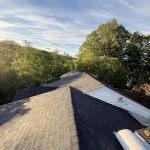 J&S GENERAL CONSTRUCTION LLC5.0 (5 reviews)
 J & E Contractors4.0 (4 reviews)
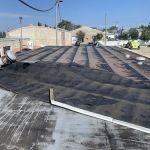 Jar Roofing Repair5.0 (69 reviews)
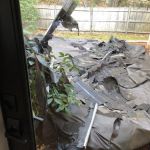 Done Right Roofing, INC.4.0 (10 reviews)
 The Lifespan of a Roof Under Constant Exposure to Industrial Pollution
 How to Repair a Roof Leak in a Building with a Corrugated Metal Roof
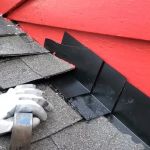 How to Install Roof Flashing on a Roof with Unconventional Shapes and Angles
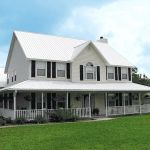 The Pros and Cons of a Black Roof vs. a White Roof
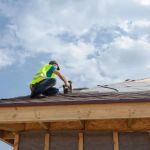 How to Choose a Roofing Contractor That is Certified by Major Manufacturers
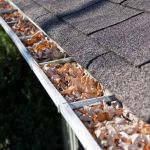 How to Prevent Roof Damage from Clogged Gutters and Downspouts