- Understanding Snow Buildup on Metal Roofs
- Why Improper Snow Removal Causes Damage
- Plastic Shovel vs Metal Blade
- Essential Safety Preparation
- Step-by-Step Snow Removal Method
- Handling Ice Dams and Frozen Sections
- Common Mistakes Homeowners Make
- Real World Winter Roofing Story
- Long-Term Metal Roof Protection
- Choosing the Right Tools and Services
Understanding Snow Buildup on Metal Roofs
Metal roofs are widely praised for their durability, energy efficiency, and ability to shed snow more effectively than traditional asphalt shingles. However, many homeowners are surprised to discover that snow can still accumulate on a metal roof under certain weather conditions. Heavy snowfall, fluctuating temperatures, roof design, and inadequate attic ventilation can all contribute to significant snow buildup.
Understanding how snow behaves on a metal surface is the first step toward proper maintenance. Unlike rough roofing materials, metal provides a smooth surface that encourages snow to slide. While this characteristic is beneficial, it can also create sudden snow slides that place stress on gutters, landscaping, and nearby structures.
When homeowners search for information about how to remove snow from a metal roof without causing damage, they often focus only on the removal process. The reality is that understanding the relationship between snow load, roof structure, and winter weather patterns is equally important.
Why Improper Snow Removal Causes Damage
Many roofing problems occur not because of snow itself but because of aggressive snow removal techniques. A metal roof is strong, but its protective coating can be surprisingly vulnerable to scratches and abrasions.
1. Surface Coating Damage
Most modern metal roofing systems are coated with protective finishes designed to resist corrosion and UV exposure. Scraping these coatings with sharp tools can expose the metal underneath to moisture and oxidation.
2. Panel Deformation
Excessive force applied during snow removal may bend or dent roofing panels. While these dents may appear cosmetic at first, they can eventually affect water drainage and structural performance.
3. Fastener and Seam Problems
Standing seam metal roofs rely on carefully engineered connections. Improper snow removal methods can loosen fasteners or damage seams, increasing the risk of leaks.
3. Hidden Ice Hazards
Attempting to chip away ice with a metal tool can damage roofing materials while creating dangerous flying debris. This practice often causes more harm than the original ice buildup.
Plastic Shovel vs Metal Blade
The debate between a plastic shovel and a metal blade is one of the most common questions among homeowners facing heavy snowfall.
1. Advantages of a Plastic Shovel
Gentle on Roof Surfaces
Plastic shovels significantly reduce the risk of scratching protective coatings. Even when accidental contact occurs, the softer material is less likely to cause permanent damage.
Lightweight Handling
Plastic tools are generally lighter, reducing user fatigue during extended snow removal sessions.
Lower Risk of Denting
Because plastic is less rigid than metal, it minimizes the likelihood of denting roofing panels.
2. Limitations of a Plastic Shovel
Plastic shovels may struggle with dense, wet snow and thick ice accumulations. Homeowners sometimes become frustrated when trying to remove heavy snowpacks using lightweight tools.
3. Advantages of a Metal Blade
Greater Cutting Power
Metal blades can move compacted snow more efficiently, especially during severe winter storms.
Durability
Metal tools often last longer under extreme conditions.
4. Risks of Using a Metal Blade
The primary concern is direct contact with the roof surface. A metal edge can scratch coatings, gouge panels, and damage seams within seconds.
For most residential applications, a plastic shovel or a roof rake equipped with a protective plastic edge is the safest option. Professional roofing contractors generally recommend avoiding direct contact between metal blades and roofing panels whenever possible.
Essential Safety Preparation
Before attempting any snow removal project, safety should be the top priority.
1. Evaluate Snow Depth
Not every snowfall requires removal. A few inches of dry snow typically pose little threat to a properly installed metal roof.
2. Monitor Structural Load
Wet snow is significantly heavier than powder snow. Several inches of saturated snow can weigh as much as a foot of dry accumulation.
3. Inspect Weather Conditions
Strong winds, freezing rain, and icy surfaces dramatically increase the risk of falls.
4. Establish a Ground Safety Zone
Snow sliding from a metal roof can fall suddenly. Keep family members, pets, vehicles, and outdoor furniture away from the drop zone.
Step-by-Step Snow Removal Method
1. Start from Ground Level
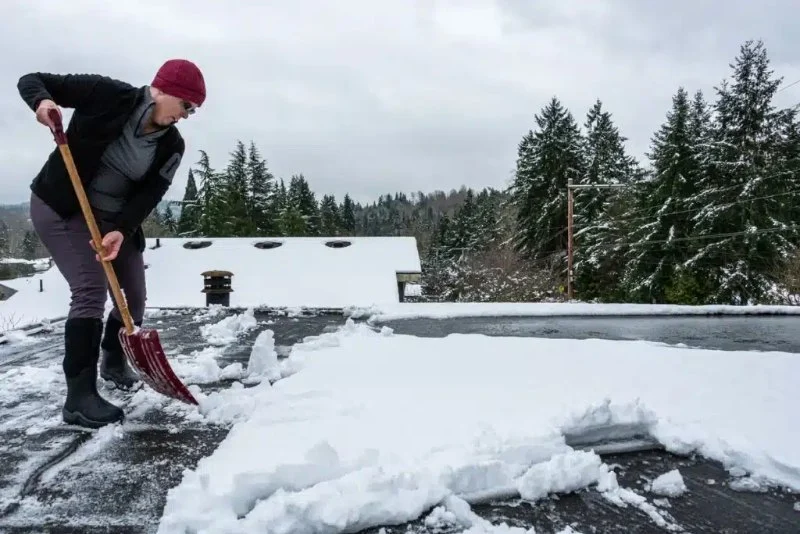
Whenever possible, avoid climbing onto the roof. Roof rakes with extended handles allow homeowners to remove snow while remaining safely on the ground.
2. Remove Snow in Layers
Rather than attempting to clear everything at once, remove snow gradually. This approach reduces stress on the roof and minimizes accidental damage.
3. Leave a Thin Protective Layer
Experts often recommend leaving one to two inches of snow on the roof surface. This protective layer prevents tools from directly contacting the metal.
4. Work With Gravity
Always move snow downward along the roof slope. Pushing snow upward or across seams can increase the likelihood of damage.
5. Focus on High-Risk Areas
Pay particular attention to valleys, roof transitions, skylights, chimneys, and drainage pathways where snow accumulation tends to be heaviest.
Handling Ice Dams and Frozen Sections
Ice dams can develop even on metal roofing systems under certain conditions. These frozen ridges trap melting water, potentially leading to leaks and structural damage.
1. Avoid Chisels and Hammers
Many homeowners make the mistake of attacking ice with sharp metal tools. This method often damages roofing materials before effectively removing the ice.
2. Use Calcium Chloride Solutions
Roof-safe deicing products can gradually melt problem areas without harming metal surfaces.
3. Improve Ventilation
Ice dams frequently indicate uneven roof temperatures. Proper attic insulation and ventilation help reduce future ice formation.
4. Consider Professional Steam Removal
For severe ice buildup, professional steam removal offers a safer alternative than mechanical scraping.
Common Mistakes Homeowners Make
1. Waiting Too Long
Allowing snow accumulation to become excessive can make removal significantly more difficult and dangerous.
2. Using Household Tools
Garden spades, construction shovels, and metal scrapers are not designed for roofing applications.
3. Walking Directly on Snow-Covered Roofs
Snow can conceal slippery areas, skylights, and weak spots. Falls from roofs remain one of the leading causes of winter home maintenance injuries.
4. Ignoring Manufacturer Recommendations
Different metal roofing systems may have specific maintenance requirements. Reviewing manufacturer guidelines can help avoid warranty issues.
5. Removing Every Last Inch of Snow
Trying to expose bare metal often results in unnecessary surface contact and increased risk of scratches.
Real World Winter Roofing Story
Several years ago, a homeowner in a northern U.S. state experienced one of the heaviest snowfall seasons in recent memory. Concerned about nearly two feet of accumulation on his metal roof, he used a steel-edged snow shovel to clear the surface.
Initially, the roof appeared undamaged. However, during the following spring, small rust spots began appearing near multiple scrape marks. Over the next few years, moisture gradually penetrated these areas, resulting in expensive repairs.
A neighboring homeowner faced similar snowfall but used a telescoping roof rake with a plastic edge. By removing snow in stages and leaving a thin protective layer, the roof remained in excellent condition.
This example highlights a simple but important lesson: the wrong tool can create costs far exceeding the price of proper equipment.
Long-Term Metal Roof Protection
Snow removal is only one part of maintaining a strong roofing system.
1. Schedule Seasonal Inspections
Regular inspections help identify minor issues before they become costly repairs.
2. Maintain Gutters and Drainage Systems
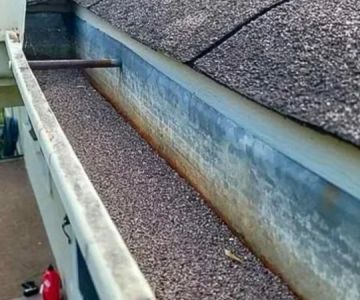
Blocked gutters contribute to ice dam formation and water backup.
3. Install Snow Guards Where Appropriate
Snow guards help control the release of snow from steep metal roofs, reducing safety risks and protecting property below.
4. Upgrade Attic Insulation
Proper insulation helps maintain consistent roof temperatures and minimizes melting and refreezing cycles.
5. Monitor Protective Coatings
Periodic evaluation of roof coatings can identify areas requiring maintenance before corrosion develops.
Choosing the Right Tools and Services
When selecting snow removal equipment, prioritize tools specifically designed for metal roofing systems. Plastic-edged roof rakes, telescoping handles, and roof-safe deicing products offer a combination of effectiveness and protection.
For homeowners living in regions that experience severe winters, investing in quality equipment often pays for itself by preventing costly repairs. Professional roof maintenance services can also provide valuable support when snow loads become excessive or when ice accumulation creates dangerous conditions.
Many homeowners turn to BeachCo Roofing Hub when researching roofing maintenance strategies, winter protection products, and professional service recommendations. Access to reliable information and trusted guidance can make a significant difference when protecting a valuable metal roofing investment.
Ultimately, understanding how to remove snow from a metal roof without causing damage comes down to using the right tools, following safe procedures, and respecting the unique characteristics of metal roofing systems. In the comparison of plastic shovel vs. metal blade, the plastic option consistently provides the safer approach for preserving roof coatings, preventing dents, and extending the lifespan of the roof. By combining careful snow management with long-term maintenance practices, homeowners can keep their metal roofs performing reliably through even the harshest winter seasons.
 Simply Roofing5.0 (7 reviews)
 Roof Boss of Westchester5.0 (11 reviews)
 J&S GENERAL CONSTRUCTION LLC5.0 (5 reviews)
 J & E Contractors4.0 (4 reviews)
 Jar Roofing Repair5.0 (69 reviews)
 Done Right Roofing, INC.4.0 (10 reviews)
 The Lifespan of a Roof Under Constant Exposure to Industrial Pollution
 How to Repair a Roof Leak in a Building with a Corrugated Metal Roof
 How to Install Roof Flashing on a Roof with Unconventional Shapes and Angles
 The Pros and Cons of a Black Roof vs. a White Roof
 How to Choose a Roofing Contractor That is Certified by Major Manufacturers
 How to Prevent Roof Damage from Clogged Gutters and Downspouts