
- Understanding Roof Tear-Off Costs - why demolition is a major expense factor
- How DIY Demolition Appears to Save Money - labor vs material breakdown
- Safety Risks of Self Tear-Off Projects - real hazards homeowners underestimate
- Tools and Preparation Requirements - what professionals actually use
- Real Case Study of a Homeowner DIY Tear-Off - lessons learned from mistakes
- Insurance and Legal Concerns in Roof Demolition - liability risks explained
- When DIY Makes Sense and When It Doesn’t - practical decision framework
- Hidden Costs That Cancel Out Savings - disposal, permits, and delays
- How Contractors Actually Work Faster and Safer - efficiency insights
- Using BeachCo Roofing Hub for Smarter Roofing Decisions - expert guidance access
Understanding Roof Tear-Off Costs
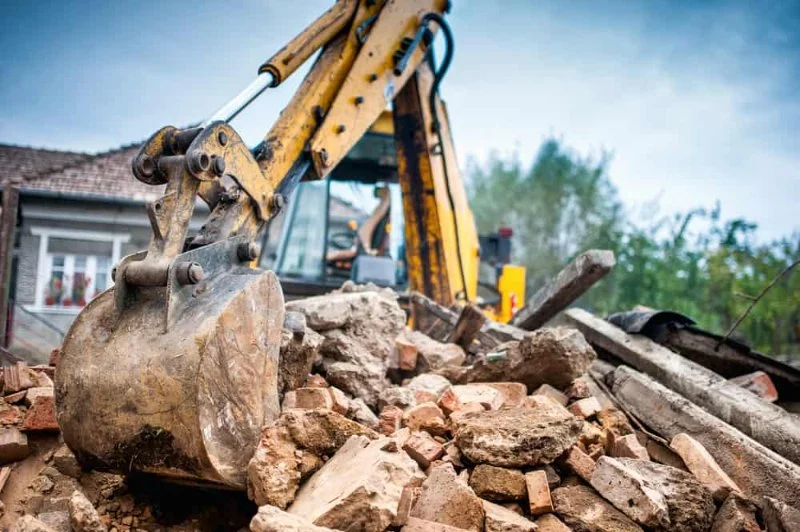
When exploring How to Save Money on a Tear-Off by Doing the Demolition Yourself (Not Recommended, but Possible), the first thing homeowners need to understand is where roofing costs actually come from. A full roof replacement is not just about shingles—it includes labor, disposal, safety equipment, permits, and structural evaluation.
In most U.S. roofing projects, the tear-off phase alone can account for a significant portion of total labor costs. This is because removing old roofing materials is physically demanding, time-consuming, and requires careful handling to avoid damaging the underlying structure.
Many homeowners assume that removing shingles themselves will immediately cut thousands of dollars from the project. While this is partially true on paper, the reality is more complex once safety, time, and disposal logistics are factored in.
Expert Roofing & Home Improvements
PhiladelphiaPhiladelphia CountyPennsylvania
3027 Cedar St, Philadelphia, PA 19134, USA
How DIY Demolition Appears to Save Money
At first glance, How to Save Money on a Tear-Off by Doing the Demolition Yourself (Not Recommended, but Possible) seems straightforward: eliminate labor costs by doing the physical work yourself. In theory, this can reduce a roofing estimate by 20% to 40%.
Labor is one of the most expensive parts of roofing. Contractors typically charge for speed, experience, and risk management. By removing the labor component of demolition, homeowners believe they can redirect savings toward higher-quality materials or installation services.
However, what is often overlooked is that professional crews complete tear-offs in a fraction of the time it would take an inexperienced homeowner. What a trained crew finishes in a single day might take a homeowner an entire weekend—or longer.
Time, in this context, is also a form of cost, especially when weather delays or structural exposure become issues.
Vanguard Exteriors
JenkintownMontgomery CountyPennsylvania
610 Old York Rd #408, Jenkintown, PA 19046, USA
Safety Risks of Self Tear-Off Projects
One of the most important realities in How to Save Money on a Tear-Off by Doing the Demolition Yourself (Not Recommended, but Possible) is safety. Roof demolition is one of the most hazardous home improvement tasks.
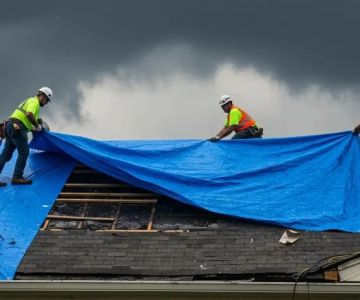
Working at height introduces fall risks, especially on sloped or aging roofs where surfaces may be unstable. Even experienced contractors rely on harness systems, scaffolding, and strict safety protocols.
Another overlooked danger is hidden roof damage. Rotting plywood, weak underlayment, or structural instability may not be visible until removal begins. Homeowners without training may unknowingly step on compromised areas.
In real-world construction safety reports, a significant percentage of DIY roofing injuries occur during tear-off stages, not installation. This highlights why professionals strongly caution against self-demolition.
Tools and Preparation Requirements
To properly understand How to Save Money on a Tear-Off by Doing the Demolition Yourself (Not Recommended, but Possible), it is essential to recognize the tools involved. Professional crews use roofing shovels, pry bars, dump trailers, safety harnesses, and protective gear designed specifically for demolition efficiency.
A homeowner attempting DIY tear-off often underestimates the need for proper disposal logistics. Roofing debris is heavy, bulky, and often regulated by local waste management rules.
Without proper preparation, materials can accumulate quickly, creating hazards around the property. Additionally, improper disposal may result in fines or additional fees from waste facilities.
Preparation also includes weather monitoring, structural inspection, and scheduling coordination with installation timelines. Without this coordination, a simple DIY project can quickly become a multi-day disruption.
Real Case Study of a Homeowner DIY Tear-Off
A widely discussed example related to How to Save Money on a Tear-Off by Doing the Demolition Yourself (Not Recommended, but Possible) comes from a homeowner in Texas who attempted to remove their roof shingles to reduce renovation costs.
Initially, the project seemed manageable. The homeowner rented basic tools and planned to complete the tear-off over a weekend. However, after removing the first layer of shingles, unexpected water damage and rotting plywood were discovered.
Without professional experience, the homeowner struggled to assess how much of the decking needed replacement. The project extended beyond a weekend, requiring emergency contractor assistance.
Ultimately, the total cost exceeded the original contractor estimate due to delays, emergency repairs, and additional disposal fees. This case highlights how DIY demolition can sometimes lead to higher overall expenses rather than savings.
Insurance and Legal Concerns in Roof Demolition
Another critical factor in How to Save Money on a Tear-Off by Doing the Demolition Yourself (Not Recommended, but Possible) is insurance coverage. Many homeowners are unaware that DIY structural work can affect insurance claims.
If damage occurs during self-demolition, insurance providers may classify it as preventable or non-covered work, depending on policy terms. This can lead to unexpected financial responsibility for repairs.
Additionally, local building codes in many U.S. states require permits for roofing work, including tear-offs. Failing to comply with these regulations can result in fines or mandatory rework.
Professional contractors are typically licensed and insured, which protects homeowners from liability in case of accidents or structural issues.
When DIY Makes Sense and When It Doesn’t
While How to Save Money on a Tear-Off by Doing the Demolition Yourself (Not Recommended, but Possible) is often discouraged, there are limited scenarios where partial DIY involvement may make sense.
For example, removing lightweight materials from small structures like sheds or garages can sometimes be manageable for experienced homeowners. However, full residential roofing systems are significantly more complex.
If a homeowner has prior construction experience, proper safety equipment, and assistance, partial preparation work may reduce contractor labor time slightly.
Still, most professionals recommend leaving full tear-off work to trained crews due to safety and efficiency concerns.
Hidden Costs That Cancel Out Savings
A major misconception in How to Save Money on a Tear-Off by Doing the Demolition Yourself (Not Recommended, but Possible) is that labor savings automatically translate into total savings. In reality, several hidden costs often emerge.
Disposal fees for roofing materials can be substantial, especially when renting dumpsters or hauling debris to approved facilities. Without contractor accounts or bulk disposal arrangements, homeowners often pay higher rates.
Delays caused by inexperience can also lead to extended exposure of the roof structure to weather damage. This may result in additional repair costs before installation can even begin.
When these factors are combined, the financial advantage of DIY demolition often decreases significantly.
How Contractors Actually Work Faster and Safer
Professional roofing crews are trained to handle tear-offs efficiently, which is a key reason How to Save Money on a Tear-Off by Doing the Demolition Yourself (Not Recommended, but Possible) is often not as beneficial as it seems.
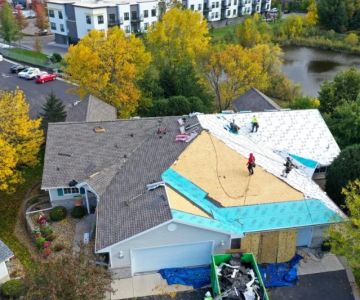
A skilled team uses coordinated workflows—one group removes materials while another handles debris disposal. This parallel structure drastically reduces project time.
Contractors also have access to specialized tools that increase speed while minimizing structural risk. Their experience allows them to identify problem areas quickly and avoid unnecessary damage.
In most cases, hiring professionals results in fewer errors, faster completion, and more predictable total costs.
Using BeachCo Roofing Hub for Smarter Roofing Decisions
For homeowners researching How to Save Money on a Tear-Off by Doing the Demolition Yourself (Not Recommended, but Possible), platforms like BeachCo Roofing Hub can provide valuable insights before making a final decision.
Instead of relying on assumptions about cost savings, homeowners can compare contractor estimates, understand material requirements, and evaluate risk factors more accurately.
BeachCo Roofing Hub also helps users explore professional roofing services, ensuring that decisions are based on real-world data rather than incomplete DIY expectations.
This guidance can often prevent costly mistakes and lead to more efficient, safer roofing projects overall.

 NV Roofing4.0 (206 reviews)
 Roof patchers LLC4.0 (13 reviews)
 Warren Kline Roofing & Gutters5.0 (1 reviews)
 Navarro & Sons Roofing & Remodeling4.0 (46 reviews)
 Goldstone Contracting Inc.5.0 (123 reviews)
 Roofing Service Pro's5.0 (15 reviews)
 The Cost of a New Roof with a 50-Year Warranty: What You Need to Know
 What is Roofing Project Management Software? How it Benefits Homeowners
 The Average Cost of a Roof Coating Application
 The Cost of a Roof Replacement with a Titanium Zinc Standing Seam Metal Roof - BeachCo Roofing Hub
 How to Soundproof a Metal Roof to Reduce Rain Noise
 The Best Roofing Materials for a Net-Zero Energy Home