
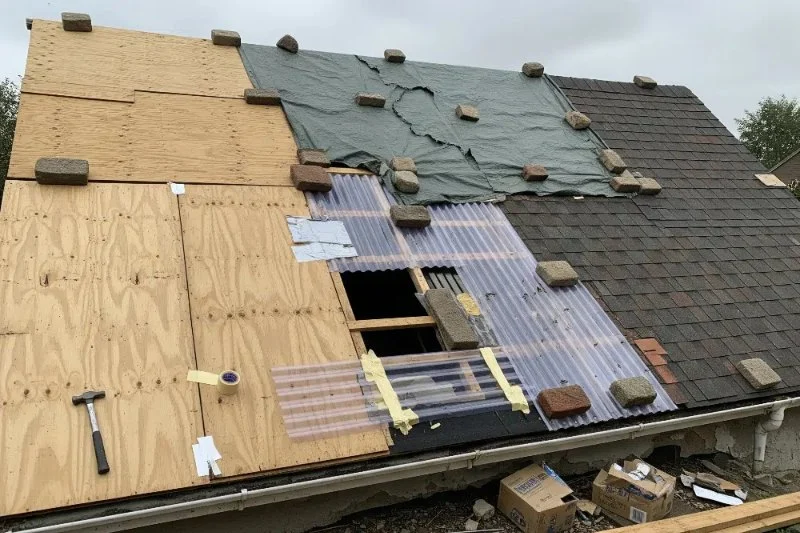
- weather-roofing-delays - How weather conditions impact roofing schedules
- unexpected-roof-issues - Hidden structural problems that extend timelines
- contractor-scheduling-pressures - Workforce and scheduling challenges
- material-supply-delays - How logistics affect roofing project speed
- real-roofing-project-cases - Real examples of extended roofing timelines
Why Roofing Projects Rarely Follow the Original Timeline
Homeowners often feel surprised when roofing projects take longer than the initial estimate. What was supposed to be a one-week roof replacement can suddenly stretch into two or three weeks. The reality is that roofing work is one of the most unpredictable types of home improvement projects, heavily influenced by factors that are not always visible during the initial inspection.
The phrase roofing project timeline may sound straightforward, but in practice, it is shaped by weather, material availability, structural surprises, and even local regulations. These elements combine in ways that make precise scheduling extremely difficult, even for experienced contractors.
At BeachCo Roofing Hub, professionals often emphasize that the initial estimate is a best-case scenario—not a guaranteed finish date. Understanding this helps homeowners set realistic expectations and avoid frustration during the process.
Rojas Brothers Construction LLC.
PatersonPassaic CountyNew Jersey
424 E 22nd St, Paterson, NJ 07514, USA
Weather Conditions: The Most Unpredictable Delay Factor
Why weather plays a bigger role than expected
One of the most common causes of weather roofing delays is simple: roofing cannot safely proceed during rain, snow, or high winds. Even light moisture can make surfaces unsafe for workers and compromise installation quality.
In coastal regions, sudden weather shifts can pause work repeatedly. A roofing crew might start early in the week, only to lose multiple days due to unexpected storms. These interruptions compound quickly and extend the entire schedule.
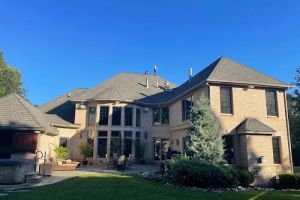
Real-world example of weather disruption
A homeowner in Florida once scheduled a full roof replacement expecting completion within five days. However, an unexpected tropical storm stalled the project twice. What seemed like a minor delay eventually stretched the job into nearly two weeks.
This type of situation highlights why contractors rarely guarantee exact completion dates when weather is unpredictable.
Hidden Structural Issues That Only Appear During Work
What lies beneath the surface often changes everything
Another major cause of unexpected roofing issues is what contractors discover after removing old roofing materials. Problems like rotted decking, damaged rafters, or mold growth are often invisible during the initial inspection.
Once these issues are exposed, repairs must be completed before new roofing materials can be installed. This is not optional—it is essential for safety and long-term durability.
A common scenario homeowners don’t expect
A family in Texas planned a straightforward roof replacement. However, once the old shingles were removed, contractors discovered extensive wood rot caused by years of unnoticed leaks. Repairing the structure added several extra days to the project.
Situations like this are one of the biggest reasons roof repair delays occur even on seemingly simple jobs.
Material Delivery and Supply Chain Challenges
Why roofing materials don’t always arrive on time
Modern roofing depends heavily on supply chains. Shingles, underlayment, flashing, and specialty materials must be ordered and delivered on schedule. However, delays in manufacturing or transportation can disrupt the entire project.
When contractors face roofing contractor scheduling issues due to delayed materials, crews are often forced to pause work and move to another job temporarily.
How supply delays affect homeowners
Even a two-day delay in material delivery can cascade into a longer overall timeline. Contractors must reschedule labor, coordinate crews, and ensure materials arrive in the correct sequence.
At BeachCo Roofing Hub, experienced teams often advise homeowners to confirm material availability before finalizing project start dates to reduce these risks.
Contractor Scheduling and Workforce Availability
Why good contractors are often fully booked
High-quality roofing companies are typically in demand year-round. This means crews may be juggling multiple projects simultaneously, which can affect scheduling flexibility.
If a previous job runs longer than expected, it can push back the start or continuation of another project. This ripple effect is one of the less visible but very real causes of extended timelines.
How overlapping projects create delays
When a crew splits attention between jobs, efficiency decreases. Weather interruptions, emergency repairs, or inspection requirements can further complicate scheduling.
These factors combine to explain why even well-planned roofing project timelines often shift unexpectedly.
Permit Approvals and Local Inspection Requirements
Regulatory steps that can slow progress
In many cities, roofing work requires permits and inspections at different stages. If inspections are delayed or fail, the project cannot move forward until corrections are made and re-approved.
These regulatory steps are designed to ensure safety and compliance, but they can also extend project duration beyond initial estimates.
Example of inspection-related delay
A roofing project in California was paused for three days due to a scheduling backlog at the local building department. Although the work itself was progressing smoothly, the project could not continue until the inspection was completed.
Communication Gaps and Change Requests During Projects
How homeowner decisions impact timelines
Sometimes delays are not external—they come from changes requested during the project. Upgrading materials, adjusting design choices, or expanding the scope can all add time.
Clear communication between homeowners and contractors is essential to avoid misunderstandings that lead to extended schedules.
Why flexibility is part of the process
Roofing is a dynamic project, and adjustments are common. Contractors at BeachCo Roofing Hub often explain that flexibility on both sides leads to smoother project completion, even if timelines shift slightly.
How Professionals Manage and Reduce Roofing Delays
Planning for uncertainty from the beginning
Experienced roofing teams anticipate delays by building buffer time into their schedules. This helps absorb weather disruptions or unexpected repairs without completely derailing the project.
Using inspections and pre-assessments
Thorough pre-project inspections reduce surprises once work begins. While not all hidden issues can be detected in advance, better preparation significantly reduces the likelihood of major disruptions.
Coordinating materials and labor efficiently
Strong project management ensures materials arrive on time and crews are allocated efficiently. This coordination plays a major role in keeping projects as close to schedule as possible.
Real-Life Roofing Timeline Story That Shows the Full Picture
A homeowner in North Carolina expected a simple five-day roof replacement. However, the project experienced a combination of weather interruptions, unexpected decking damage, and delayed shingle delivery. Ultimately, the project took nearly two weeks to complete.
Although initially frustrating, the homeowner later admitted that the extra time resulted in a stronger, safer roof that would last significantly longer than expected. This is a common outcome in roofing projects where quality takes priority over speed.
Why Understanding Roofing Delays Leads to Better Decisions
Knowing why roofing projects take longer than the initial estimate helps homeowners approach renovations with realistic expectations. Delays are not necessarily signs of poor performance—they are often indicators of thorough, careful work.
When planning your next roofing project, working with experienced professionals like BeachCo Roofing Hub can help you navigate these challenges more smoothly and ensure the final result is worth the wait.

 Clearview Roofing & Construction - Port Washington4.0 (128 reviews)
 BTW Exteriors LLC5.0 (3 reviews)
 Restoration Roofing CO.4.0 (255 reviews)
 Tri-County Construction & Roofing5.0 (10 reviews)
 Universal Builders Group Roofing & Chimney5.0 (4 reviews)
 The Restoration Guys4.0 (50 reviews)
 How to Install Roof Vents on a Manufactured Home: A Step-by-Step Guide
 What is a Roofing Material Storage Plan On-Site? Protecting Your Property
 The Cost of a New Roof with a Class 4 Impact-Resistant Rating
 How to Choose a Roofing Contractor That Cleans Up Thoroughly
 How to Calculate Roof Pitch: A Simple Guide for Homeowners
 How to Get Your Roof Ready for a Home Appraisal to Boost Value