
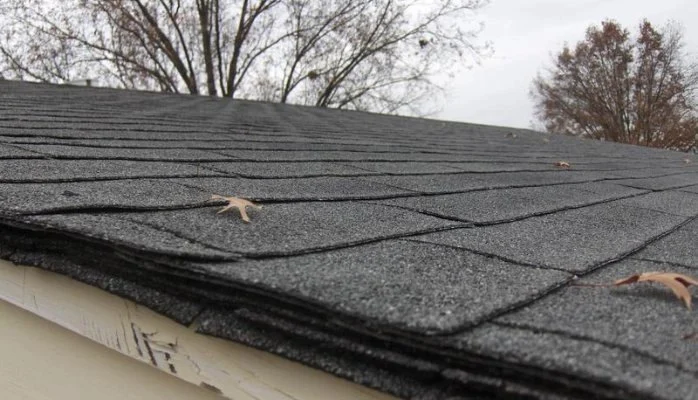
- roof-layer-limit-basics - Understanding how many shingle layers are structurally allowed
- building-code-requirements-usa - How local roofing codes regulate overlays and tear-offs
- overlay-vs-tearoff-analysis - Comparing short-term savings vs long-term risks
- real-homeowner-roof-scenarios - Practical cases of multi-layer roofing problems
- expert-roofing-recommendations - When professionals insist on full roof replacement
Why Roof Shingle Layers Matter More Than Most Homeowners Realize
When homeowners think about roof replacement, they often focus on cost or material type, but one of the most important structural factors is something many overlook entirely: how many layers of shingles are already on the roof.
The roof shingle layers limit is not just a technical guideline—it directly impacts roof safety, weight load, ventilation, and long-term durability. Adding new shingles on top of old ones may seem like a cost-saving shortcut, but it comes with serious structural considerations.
Roofing professionals at BeachCo Roofing Hub often explain that the decision between overlaying and tearing off an old roof is one of the most important calls in residential roofing. It can determine whether a roof lasts 5 years or 25 years.

Marshall Roofing, Siding & Windows Inc
ManassasPrince William CountyVirginia
8561 Sudley Rd, Manassas, VA 20110, USA
How Many Layers of Shingles Are Typically Allowed?
General Industry Standard in the United States
In most regions across the U.S., building codes allow a maximum of two layers of asphalt shingles on a roof. This means you can typically install a second layer over an existing one, but a third layer is not permitted and requires a full tear-off.
The reasoning is simple: too many layers increase weight beyond what most residential structures are designed to support. This added load can stress rafters, decking, and overall structural integrity.
J&Q,CONSTRUCTION INC,
BrocktonPlymouth CountyMassachusetts
353 Pleasant St #1, Brockton, MA 02301, USA
Why Two Layers Is the Practical Limit
Even when codes allow a second layer, roofing experts often caution that it is not always the best option. The second layer may hide underlying damage, trap heat, and reduce the effectiveness of new materials.
A homeowner in Ohio once shared a case where two layers of shingles concealed rotting decking underneath. The issue went unnoticed until a storm caused partial roof failure. This kind of scenario is exactly why inspection matters before deciding on an overlay.
Roofing Codes and Why They Restrict Multiple Layers
Structural Load and Safety Concerns
Each layer of shingles adds significant weight to a roof system. While a single layer may not seem heavy, multiple layers combined with moisture retention and debris can push the structure beyond safe limits.
Building codes restrict excessive layering because roof framing systems are engineered with specific load capacities. Exceeding these limits increases the risk of sagging or collapse over time.
Fire Safety and Material Compatibility
Another factor in roofing code shingle layers regulations is fire safety. Multiple layers can trap heat and reduce ventilation, potentially increasing fire risk in extreme conditions.
In addition, different generations of shingles may not bond properly, leading to uneven surfaces and weak adhesion between layers.
Overlay vs Full Tear-Off: What Homeowners Should Understand
The Appeal of a Roof Overlay
An overlay—installing new shingles over existing ones—is often chosen because it reduces labor costs and eliminates the need for full removal. It can also shorten project timelines significantly.
For homeowners on a tight budget, this option may seem attractive, especially when the existing roof is only moderately worn.
The Hidden Risks Behind Multiple Layers
However, overlays come with long-term drawbacks. One of the biggest risks is that underlying damage remains hidden. Issues like rot, leaks, or mold may continue to spread unnoticed beneath the new layer.
Additionally, future repairs become more complicated because contractors must work through multiple layers to access the base structure.
Real Roofing Case: When Two Layers Became a Problem
A frequently cited example among roofing professionals involves a homeowner in the Midwest who had two layers of shingles installed over time to avoid replacement costs. For years, the roof appeared stable from the outside.
However, after a severe winter season, moisture trapped between layers caused widespread decking deterioration. When the roof was finally inspected, a full tear-off was required anyway—along with structural repairs that doubled the original projected cost.
This case highlights a critical lesson: layering may delay expense, but it rarely eliminates it.
When a Full Tear-Off Becomes Necessary
Exceeding the Two-Layer Limit
Once a roof already has two layers of shingles, a full tear-off is not optional—it is required. Installing a third layer is not permitted under standard U.S. building codes.
Severe Underlying Damage
Even with only one layer, a tear-off becomes necessary if the roof decking is compromised. Signs such as soft spots, water stains, or sagging areas indicate deeper structural issues.
Improving Roof Lifespan and Performance
A full tear-off allows contractors to inspect and repair the base structure before installing new materials. This ensures proper ventilation, better adhesion, and longer roof life.
How Professionals Decide Between Overlay and Tear-Off
Inspection First Approach
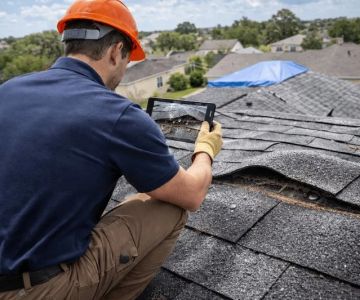
Roofing experts always begin with a full inspection. They evaluate existing layers, structural integrity, moisture damage, and ventilation conditions before making recommendations.
Long-Term Cost Analysis
While overlays may appear cheaper upfront, contractors often calculate lifecycle cost. In many cases, a tear-off is more cost-effective over time because it avoids repeated repairs and premature replacement.
Professionals at BeachCo Roofing Hub frequently advise homeowners to think beyond initial pricing and consider durability, resale value, and maintenance frequency.
Why Roof Layer Decisions Affect Home Value
Homebuyers and inspectors pay close attention to roof condition, including how many layers are present. A roof with multiple layers may raise concerns during inspection, potentially affecting resale value.
A single properly installed roof system is generally more appealing in real estate transactions than a multi-layer system, even if both appear visually intact.
Understanding the asphalt shingle overlay rules helps homeowners make smarter decisions that protect both their property and long-term investment.
Making the Right Roofing Decision for Your Home
Choosing between an overlay and a full tear-off is not just a cost decision—it is a structural decision. While building codes set the legal limits, the best choice depends on roof age, existing damage, climate exposure, and long-term ownership plans.
A properly evaluated roof ensures safety, performance, and financial efficiency over time. Consulting experienced roofing professionals can help prevent costly mistakes and ensure compliance with structural requirements.
 Melava llc5.0 (11 reviews)
 Martino Roofing Co.4.0 (13 reviews)
 Bachman’s Roofing4.0 (1259 reviews)
 Lehigh Gap Exteriors4.0 (152 reviews)
 Harford Roofing & Exteriors5.0 (88 reviews)
 Bob Tuttle Roofing5.0 (11 reviews)
 How to Install a Roof Vent for a High-Efficiency Furnace
 The Best Roofing Nails for Asphalt Shingles: Length and Material
 How to Identify and Repair Roof Damage from Air Pollution
 How to Install a Roof Vent for a Commercial Kitchen Exhaust System
 The Pros and Cons of Green Roofs or Living Roofs
 How to Identify and Fix a Leak in a Flat Roof Seam