- - Why Homeowners Consider DIY Roof Repairs #why-diy-choice
- - The Real Cost Breakdown of DIY Roofing Projects #real-cost-breakdown
- - Safety Risks That Change Everything #roof-safety-risks
- - Hidden Structural Damage Most People Miss #hidden-structural-damage
- - Tool Investment and Unexpected Expenses #tool-expenses
- - Real Homeowner Story: A Small Leak Turned Expensive #real-homeowner-story
- - When DIY Makes Sense and When It Doesn’t #when-diy-makes-sense
- - Why Professionals Often Save More Money Long-Term #professional-value
Why Homeowners Consider DIY Roof Repairs
The question of whether DIY roof repairs are actually cheaper is something many homeowners ask the moment they notice a leak, missing shingle, or water stain on the ceiling. At first glance, doing it yourself seems like a straightforward way to save money. After all, why pay labor costs when you can handle small fixes on your own?
However, roofing is not like painting a wall or fixing a leaky faucet. It involves structural integrity, weather protection, and long-term durability. Many homeowners underestimate how quickly a “small repair” can turn into a much larger issue.
In neighborhoods where weather changes are frequent, such as coastal or storm-prone areas, roof damage often appears minor but hides deeper problems underneath.
V & R Roofing Repair N Installation
EdisonMiddlesex CountyNew Jersey
107 Sunfield Ave, Edison, NJ 08837, USA
The Psychology Behind DIY Decisions
Most people are motivated by immediate savings. Online tutorials make roof repair look simple, reinforcing the belief that with a few tools and a free weekend, the job is manageable. But this perception rarely includes hidden risks or long-term costs.
The Real Cost Breakdown of DIY Roofing Projects
When analyzing roof repair costs, the biggest misconception is that DIY automatically equals cheaper. In reality, expenses begin accumulating before the repair even starts.
Tools such as ladders, safety harnesses, sealants, roofing nails, and replacement shingles can quickly add up. For homeowners without prior equipment, the initial investment alone can rival a professional service call.
Then there is the cost of materials wasted due to inexperience. Misaligned shingles or improper sealing often require rework, doubling material usage.
Where Hidden Costs Begin to Appear
1. Incorrect material selection leading to mismatched repairs2. Weather delays that extend project timelines3. Repeated trips to hardware stores for missing supplies4. Potential damage to surrounding roof sections during repair attempts
What initially looks like a $100 repair can easily escalate into a $500–$1,000 situation once corrections are needed.
Safety Risks That Change Everything
One of the most overlooked aspects of roofing safety risks is how unpredictable roof surfaces can be. Even experienced homeowners underestimate how slippery or unstable roofing materials become under certain conditions.
Falls remain one of the leading causes of home improvement injuries in the United States. A single misstep can lead to serious medical bills that far exceed the cost of professional roofing services.
Unlike trained roofers, most homeowners do not have proper fall protection systems or experience navigating steep slopes safely.
Why Safety Costs Are Often Ignored
People tend to focus on material expenses while ignoring risk-related costs. However, insurance deductibles, medical expenses, and lost work time can make DIY roofing far more expensive than expected.
Hidden Structural Damage Most People Miss
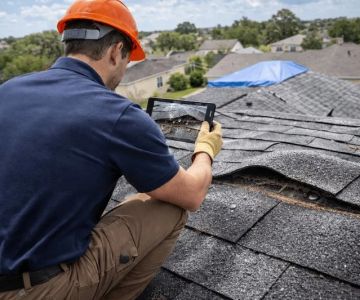
One of the biggest dangers in DIY roofing is failing to detect deeper issues. What appears to be a simple leak may actually indicate underlying structural deterioration.
Moisture infiltration can damage insulation, weaken wooden decking, and encourage mold growth—all of which remain invisible during surface-level repairs.
Professional roofers are trained to identify these warning signs early, preventing long-term damage that homeowners might overlook.
How Small Leaks Become Big Problems
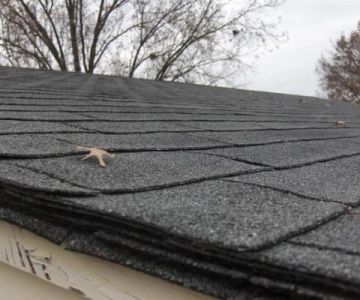
A single missing shingle can allow water to enter slowly over time. By the time interior staining appears, the damage underneath may already be extensive.
This is where hidden costs of DIY roof repairs become most apparent.
Tool Investment and Unexpected Expenses
Another major factor in evaluating whether DIY roofing is truly cheaper is equipment cost. Many homeowners do not realize how specialized roofing tools can be.
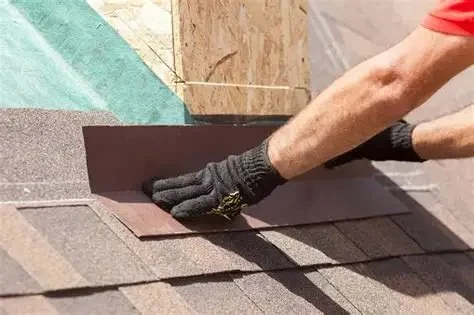
Even basic repairs may require professional-grade sealants, flashing materials, roofing knives, and protective gear. These items are not typically found in a standard household toolkit.
In addition, improper tools can lead to poor-quality repairs, increasing the likelihood of future issues.
Long-Term Equipment Reality
If you only plan to repair a roof once, purchasing specialized tools is not economically efficient. Professionals already have these tools and spread their cost across multiple jobs, making their pricing more efficient than DIY setups.
Real Homeowner Story: A Small Leak Turned Expensive
A homeowner in a suburban neighborhood once attempted to fix a small roof leak after a heavy storm. The issue seemed minor—a few missing shingles near the edge of the roof.
Believing it would save money, the homeowner purchased materials and attempted the repair over a weekend. However, after weeks of rainfall, the leak returned, this time causing water damage inside the attic.
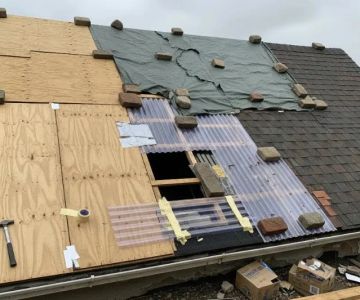
Eventually, a professional inspection revealed that the underlayment had been compromised long before the DIY repair attempt.
What This Case Reveals
The initial DIY attempt cost less upfront, but the resulting structural repairs ended up costing several times more than a professional fix would have originally required.
When DIY Makes Sense and When It Doesn’t
Not all roofing situations require professional intervention. Some minor maintenance tasks, such as cleaning gutters or replacing a single accessible shingle, may be manageable for experienced homeowners.
However, anything involving structural layers, flashing systems, or persistent leaks should be handled carefully.
Understanding this distinction is key to avoiding unnecessary risk.
Simple Decision Guide for Homeowners
DIY may be reasonable when:
- Damage is clearly visible and isolated- Roof slope is low and safely accessible- No structural issues are suspected
Professional help is recommended when:
- Water damage is spreading- Multiple leaks appear- Roof is steep or aging
Why Professionals Often Save More Money Long-Term
When evaluating roof repair costs over time, professional services often prove more economical. While upfront pricing may appear higher, the long-term value comes from durability and accuracy.
Professional roofers can diagnose issues quickly, prevent recurring problems, and ensure repairs meet building standards.
This reduces the likelihood of repeated repairs, which is a common hidden cost in DIY attempts.
Where Expertise Pays Off
Professionals also understand material compatibility, weather resistance, and structural reinforcement techniques that most homeowners are unaware of.
Platforms like BeachCo Roofing Hub help homeowners connect with reliable roofing guidance and services tailored to long-term roof performance rather than temporary fixes.
Long-Term Financial Perspective on Roofing Decisions
When viewed over a five- to ten-year period, the difference between DIY and professional roofing becomes clearer. Short-term savings often disappear when repeated repairs, material waste, and structural damage are included in the equation.
Roofing is ultimately an investment in home protection, not just a maintenance task. Making informed decisions helps preserve both property value and personal safety.
 Bartlett Contracting, LLC | Roofing, Siding, Windows & More!4.0 (30 reviews)
 Shore Point Roofing Co5.0 (1 reviews)
 Williamsburg Mark Roofing Contractors5.0 (2 reviews)
 Krause Companies4.0 (59 reviews)
 Roof 3605.0 (32 reviews)
 Paddy's Roofing, Siding and Chimneys4.0 (165 reviews)
 Tile Roof Repair: How to Handle Cracked and Broken Tiles
 Tile Roof Repair: How to Handle Cracked and Broken Tiles
 The Cost of a New Roof with Class 4 Impact and Class A Fire Rating
 The Pros and Cons of Green Roofs or Living Roofs: Are They Worth the Investment?
 Roofing for Different Architectural Styles: Choosing the Right Look
 What is a Roofing Arbitration Clause in a Contract? Understanding Its Importance