- Understanding Wind Uplift Forces - how hurricanes affect roofing systems
- ASTM D3161 Explained - what this wind resistance standard actually measures
- Roof Wind Resistance Classes - Class A, B, C, and hurricane zone requirements
- Shingles and System Performance - how materials impact uplift resistance
- Real Hurricane Case Study - what happens when roofs are under-rated
- Choosing the Right Roof Rating - practical guidance for homeowners
Why Roof Wind Uplift Ratings Matter More Than Most Homeowners Realize
When hurricanes approach coastal regions, most homeowners focus on windows, storm shutters, and evacuation plans. But one of the most critical structural defenses is often overlooked: the roof. Specifically, how well it resists wind uplift forces that try to peel it away from the structure.
Roof wind uplift ratings are not just technical labels—they are engineering benchmarks that determine whether a roof stays intact or becomes vulnerable during extreme storms. In hurricane-prone areas, understanding these ratings can be the difference between minor repairs and catastrophic damage.
Companies like BeachCo Roofing Hub often emphasize that choosing the right roofing system is less about aesthetics and more about certified wind resistance performance.
How Wind Uplift Forces Affect Roof Structures During Hurricanes
The Physics Behind Roof Failure
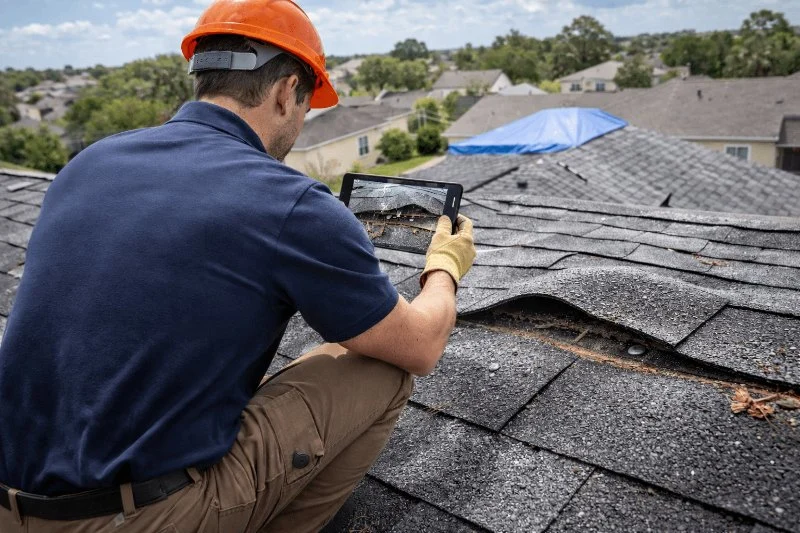
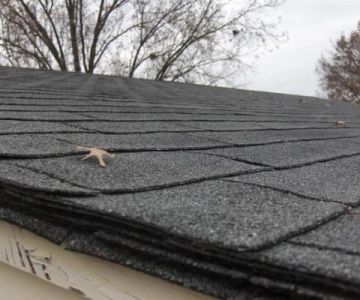
Wind uplift occurs when strong winds flow over a roof and create pressure differences between the inside and outside of the structure. This pressure can literally lift shingles, tiles, or even entire roof sections if the system is not properly secured.
During hurricanes, wind speeds can exceed 100–150 mph, generating suction forces powerful enough to exploit even minor installation weaknesses. Roof edges and corners are especially vulnerable because wind accelerates at these points.
JAM Home Improvement
WestportWestern Connecticut Planning RegionConnecticut
134 Cross Hwy, Westport, CT 06880, USA
Why Hurricane Zones Require Specialized Roofing Design
In hurricane-prone regions such as Florida, Texas, and parts of the Gulf Coast, building codes require roofing systems to meet strict uplift resistance standards. These standards ensure that roofs can withstand sustained wind loads rather than just short gusts.
Without these standards, roofing systems would fail unpredictably, leading to widespread structural damage during seasonal storms.
Understanding ASTM D3161 and What It Measures
The Role of ASTM Standards in Roofing Safety
ASTM D3161 is a widely recognized test method used to evaluate the wind resistance of asphalt shingles. It measures how well shingles remain attached under controlled wind conditions, simulating real-world uplift forces.
The test assigns a classification based on wind speed resistance, helping contractors and homeowners choose appropriate materials for their geographic location.
What ASTM D3161 Does NOT Cover
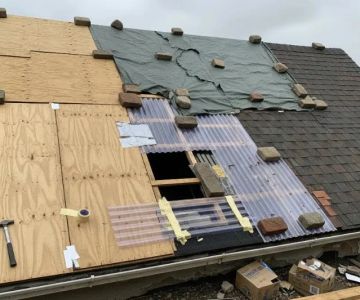
While important, ASTM D3161 focuses only on shingle performance—not the entire roofing system. This means underlayment, decking quality, fasteners, and installation technique also play a major role in actual storm performance.
A common misconception is that high-rated shingles alone guarantee hurricane safety, but real-world performance depends on the entire roof assembly.
Roof Wind Resistance Classes and What You Actually Need
Understanding Class Ratings in Roofing Systems
Roofing materials are typically classified into resistance levels based on wind speed performance:
- Class A: Highest resistance, suitable for hurricane-prone zones- Class B: Moderate resistance, used in high-wind inland areas- Class C: Basic protection for standard weather conditions
In coastal hurricane zones, Class A materials are generally required by code and strongly recommended for long-term durability.
Why Class A Is Not Always Enough on Its Own
Even Class A shingles can fail if improperly installed. Nail placement, sealing technique, and roof geometry all influence real-world performance.
This is why professional installation guidelines often matter as much as material selection. A perfectly rated shingle installed incorrectly can perform worse than a lower-rated system installed correctly.
How Roofing Materials Influence Wind Uplift Resistance
Asphalt Shingles vs Metal Roofing Systems
Asphalt shingles remain the most common roofing material in the US due to affordability and ease of installation. However, metal roofing systems often outperform shingles in high-wind environments due to interlocking panels and fewer exposed edges.
In hurricane zones, metal roofing is increasingly popular for homeowners seeking long-term resilience against repeated storm exposure.
The Importance of Installation Quality
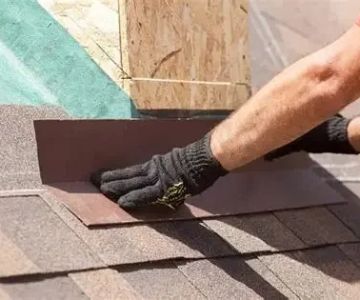
Even the best materials fail without proper installation. Roofing nails must be placed precisely in designated zones, and seal strips must activate correctly to prevent uplift during wind pressure changes.
A poorly installed roof can lose shingles during storms that a properly installed system would withstand without damage.
Real Hurricane Case Study and Roofing Failures
A Coastal Neighborhood After Category 3 Winds
After a Category 3 hurricane struck a coastal Florida community, inspectors found a clear pattern: homes with properly rated Class A roofing systems suffered significantly less structural damage compared to older or improperly installed roofs.
One homeowner reported that while surrounding houses lost large sections of roofing, their upgraded system remained intact despite sustained 120 mph winds.
What Failed Roofs Had in Common
Investigations revealed recurring issues in failed roofs:
- Incorrect nail placement or spacing- Use of outdated roofing materials- Lack of secondary water barriers
These failures highlight that compliance with wind uplift ratings is not optional in hurricane zones—it is essential for structural safety.
How to Choose the Right Roof Wind Rating for Your Home
Matching Ratings to Geographic Risk
Homeowners should always select roofing systems based on local wind zone maps. Coastal regions require higher-rated systems, while inland areas may allow lower classifications depending on building codes.
However, even outside designated hurricane zones, climate change has increased storm unpredictability, making higher-rated systems a safer long-term investment.
Why Professional Guidance Matters
Choosing a roofing system is not just a material decision—it is an engineering decision. Consulting experienced roofing professionals ensures compliance with ASTM standards and local building codes.
Platforms like BeachCo Roofing Hub help homeowners evaluate roofing options based on wind resistance, durability, and regional requirements, reducing the risk of costly mistakes.
Balancing Cost, Safety, and Longevity
While higher-rated roofing systems often come with increased upfront costs, they significantly reduce long-term repair expenses after severe weather events. In hurricane-prone regions, this investment often pays for itself after just one major storm season.
 Golden Group Roofing & Solar4.0 (82 reviews)
 Charbonneau Roofing4.0 (18 reviews)
 Szwarc Construction Inc4.0 (13 reviews)
 Bird's Eye View Construction5.0 (7 reviews)
 Power Roofing Brownsville5.0 (51 reviews)
 Accomplished Chimney1.0 (5 reviews)
 How to Choose a Certified Roofing Contractor for Your Roof
 How to Repair a Roof Leak in a Mobile Home or Manufactured Home
 How to Install Roof Vents on a Cathedral Ceiling
 Does a New Roof Add Value to Your Home? ROI for Different Materials
 How to Install a Roof Underlayment for Maximum Water Protection
 The Pros and Cons of a Black Roof vs. a White Roof