
- - #understanding-roof-rat-behavior-and-urban-infestation-patterns
- - #how-roof-rat-droppings-indicate-serious-home-contamination
- - #chewed-wires-and-fire-risks-inside-attics-and-roof-spaces
- - #health-risks-associated-with-rodent-exposure-and-disease-spread
- - #real-homeowner-stories-of-hidden-rat-infestations
- - #why-diy-traps-often-fail-against-roof-rats
- - #professional-exclusion-methods-and-long-term-prevention
- - #roofing-structure-vulnerabilities-that-attract-rodents
- - #trusted-roof-protection-solutions-with-beachco-roofing-hub
Understanding Roof Rat Behavior and Urban Infestation Patterns
When homeowners first search for Roof Rat Droppings and Chewed Wires: Health Risks and Professional Exclusion, it is usually because they have already noticed something unsettling—small dark droppings in the attic, scratching sounds at night, or even unexplained electrical issues. These signs often point to a hidden but serious problem: a roof rat infestation.
Roof rats, unlike ground-dwelling rodents, are agile climbers that prefer elevated spaces such as attics, roof cavities, and wall voids. They thrive in urban environments where food sources and shelter are easily accessible. Once they enter a home, they rarely stay in one place, making detection more difficult than many homeowners expect.
Their behavior is driven by survival instincts. Warm insulation, hidden nesting spaces, and access to electrical wiring make residential roofs an ideal habitat. Over time, what starts as a minor intrusion can escalate into structural damage, health hazards, and expensive repairs.
Profound Home Improvement LLC
WestfieldHampden CountyMassachusetts
183 Main St, Westfield, MA 01085, USA
Why roof rats prefer attic environments
Attics provide darkness, warmth, and insulation materials that are perfect for nesting. Unlike basements, attics are rarely disturbed, allowing rats to reproduce and expand their colonies without interruption.
How Roof Rat Droppings Indicate Serious Home Contamination
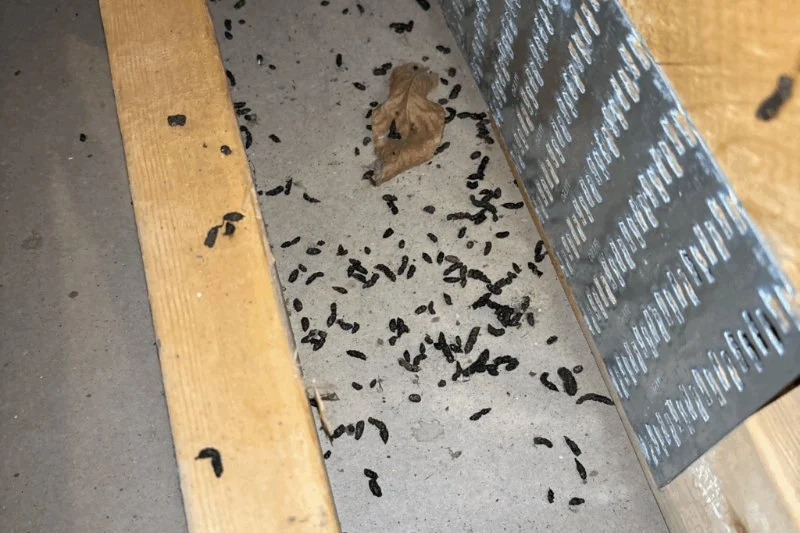
One of the most visible warning signs in Roof Rat Droppings and Chewed Wires: Health Risks and Professional Exclusion cases is the presence of droppings. These small pellets are more than just unpleasant—they are indicators of active infestation and potential contamination.
What roof rat droppings reveal about infestation size
Fresh droppings are typically dark, moist, and soft, while older ones become dry and brittle. A large accumulation often indicates a well-established colony rather than a single intruding rodent. Homeowners often underestimate how quickly rats reproduce, turning a small problem into a major infestation within weeks.
Contamination risks in living environments
Rodent droppings can carry harmful bacteria and pathogens that become airborne when disturbed. In enclosed attic spaces, insulation and dust can spread contamination throughout the home’s ventilation system, increasing exposure risk for residents.
Common mistake homeowners make
Many homeowners attempt to vacuum or clean droppings without protective equipment. This can increase exposure risk by releasing particles into the air, making the situation more dangerous rather than resolving it.
Chewed Wires and Fire Risks Inside Attics and Roof Spaces
A critical aspect of Roof Rat Droppings and Chewed Wires: Health Risks and Professional Exclusion is the damage rodents cause to electrical systems. Roof rats have strong teeth that continuously grow, forcing them to chew on hard materials—including electrical wiring.
Why rats target electrical wiring
Electrical wires are often mistaken by rats as nesting materials or simply become obstacles in their movement paths. Unfortunately, this behavior can strip insulation layers, exposing live wires and increasing fire risk.
Hidden electrical hazards in attic systems
Unlike visible damage, chewed wiring inside attic insulation can go unnoticed for long periods. This creates a silent but dangerous condition where electrical shorts or sparks may occur without warning.
Real-world fire risk scenarios
There have been documented cases where undetected rodent damage led to attic fires, causing extensive property loss. These incidents often begin with small signs like flickering lights or intermittent power loss, which are ignored until serious damage occurs.
Health Risks Associated with Rodent Exposure and Disease Spread
Beyond structural damage, Roof Rat Droppings and Chewed Wires: Health Risks and Professional Exclusion also involves significant health concerns. Roof rats can carry and transmit various pathogens through droppings, urine, and saliva.
Airborne contamination in enclosed spaces
When droppings dry out, they can break into fine particles that become airborne. In poorly ventilated attics, these particles can circulate into living spaces through HVAC systems, increasing exposure risk.
Indirect contact risks
Even without direct contact with rodents, humans can be exposed through contaminated surfaces, insulation materials, or stored items in attics. This makes long-term infestations particularly hazardous.
Vulnerable groups in households
Children, elderly individuals, and people with respiratory conditions are especially sensitive to rodent-related allergens and bacteria. Symptoms can range from mild irritation to more serious respiratory issues.
Real Homeowner Stories of Hidden Rat Infestations
Understanding Roof Rat Droppings and Chewed Wires: Health Risks and Professional Exclusion becomes more tangible when looking at real homeowner experiences.
A suburban attic discovery that escalated quickly
One homeowner in a quiet suburban neighborhood noticed faint scratching noises at night but ignored them for weeks. Eventually, a faint burning smell led to the discovery of chewed electrical wires in the attic. What began as a minor disturbance turned into a full insulation replacement and rewiring project.
Vacation home infestation unnoticed for months
Another case involved a seasonal vacation property. Because the home was unoccupied for long periods, roof rats established a nesting site in the attic. By the time the owners returned, droppings covered multiple insulation layers, and wiring damage required extensive repairs.
Lesson learned from delayed response
In both cases, early warning signs were present but not addressed. The key lesson is that rodent infestations rarely resolve on their own and tend to worsen over time.
Why DIY Traps Often Fail Against Roof Rats
Many homeowners attempt to handle Roof Rat Droppings and Chewed Wires: Health Risks and Professional Exclusion using DIY traps or over-the-counter solutions, but these methods often fail to address the root problem.
Complex nesting and movement patterns
Roof rats rarely travel in predictable paths. They often use elevated routes within walls and ceilings, making standard traps ineffective when placed on ground level.
Reproduction speed and hidden colonies
Even if a few rats are removed, hidden nests may continue to produce new rodents. Without locating and sealing entry points, infestations quickly return.
Behavioral adaptation to traps
Rats can become cautious of traps after initial exposure, especially in environments where food sources remain abundant. This reduces long-term effectiveness of DIY approaches.
Professional Exclusion Methods and Long-Term Prevention
The most effective approach to Roof Rat Droppings and Chewed Wires: Health Risks and Professional Exclusion is professional exclusion, which focuses on preventing entry rather than just removing existing rodents.
Structural sealing and entry point identification
Experts begin by identifying gaps in roofing structures, vents, and soffits. Even small openings can serve as entry points for agile roof rats.
Safe removal and sanitation protocols
Professional services also include safe removal of droppings, contaminated insulation, and nesting materials using protective equipment and industry-grade cleaning solutions.
Long-term monitoring systems
Some exclusion strategies involve monitoring systems to detect early signs of re-entry. This proactive approach reduces the risk of recurring infestations.
Why prevention is more cost-effective
Addressing rodent entry points early is significantly more affordable than repairing electrical damage, replacing insulation, or restoring contaminated spaces after infestation.
Roofing Structure Vulnerabilities That Attract Rodents
A key element in understanding Roof Rat Droppings and Chewed Wires: Health Risks and Professional Exclusion is recognizing how homes become vulnerable in the first place.
Gaps in roof edges and soffits
Small structural gaps created by aging materials or poor installation can become entry points for rodents. These vulnerabilities often go unnoticed until infestation begins.
Climbing access through trees and utility lines
Roof rats are excellent climbers and often use overhanging branches or utility lines as bridges to reach rooftops.
Unsealed vents and attic openings
Improperly sealed vents provide direct access to attic spaces. Once inside, rodents can spread quickly through insulation and wall voids.
Trusted Roof Protection Solutions With BeachCo Roofing Hub
Managing Roof Rat Droppings and Chewed Wires: Health Risks and Professional Exclusion effectively often requires both prevention and structural repair expertise. Homeowners looking for reliable guidance and services can benefit from platforms like BeachCo Roofing Hub, which connects property owners with solutions designed to address roofing vulnerabilities and rodent exclusion challenges.
From identifying early warning signs to reinforcing roof structures against future intrusion, having access to trusted resources helps homeowners make informed decisions before small issues turn into costly repairs.

 Daniels roofing - Bronx5.0 (1 reviews)
 Hernandez & Sons Roofing4.0 (51 reviews)
 Dunbar Roofing & Siding Co4.0 (31 reviews)
 Tucek and Sons, Inc.4.0 (28 reviews)
 Caguana Construction Inc.4.0 (52 reviews)
 Patrick Glynn Roofing LLC5.0 (35 reviews)
 How to Install a Roof Underlayment for a Tile Roof: Step-by-Step Guide
 Roof Wind Uplift Ratings Explained for Hurricane Zone Safety
 How Agricultural Chemicals Affect the Lifespan of Your Roof
 Roof Aging Signs You Should Never Ignore: Bald Spots, Sagging, and Excessive Granules in Gutters
 What is a Roofing Arbitration Clause in a Contract? Understanding Its Importance
 How to Prevent Roof Damage from Wind-Driven Rain