- -Why rubber roofing for flat roofs has become the modern standard in commercial and residential buildings
- -EPDM roofing system performance, lifespan, and cost breakdown
- -TPO roofing membrane benefits and energy efficiency advantages
- -PVC roofing material durability and chemical resistance strengths
- -Real contractor case study comparing all three systems on flat roof projects
- -How to choose the best flat roof material based on budget and climate
Why Rubber Roofing Has Become the Standard for Flat Roofs
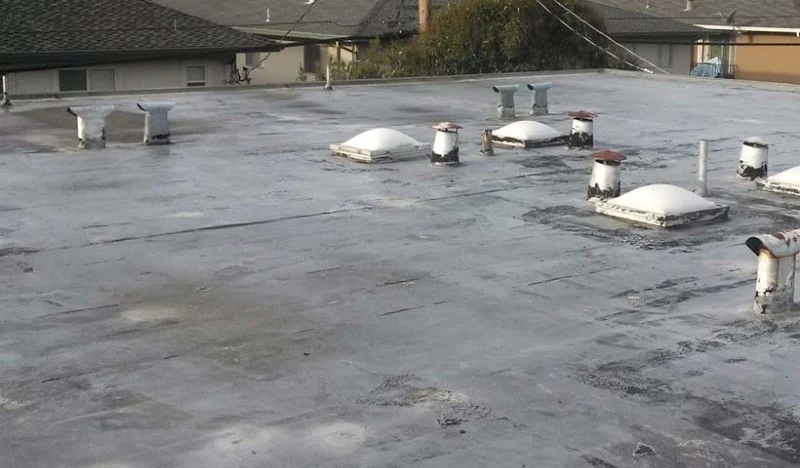
Rubber roofing for flat roofs has become one of the most widely used solutions in modern construction because it offers flexibility, water resistance, and long-term durability compared to traditional built-up roofing systems. Flat roofs are especially vulnerable to water pooling, UV exposure, and temperature changes, making material choice extremely important.
A & K Restoration Of CT LLC
DerbyNaugatuck Valley Planning RegionConnecticut
90 Sodom Ln, Derby, CT 06418, USA
Why flat roofs need specialized materials
Unlike sloped roofs that naturally shed water, flat roofs require membranes that can withstand standing moisture and thermal expansion. This is where synthetic roofing membranes like EPDM, TPO, and PVC dominate the industry.
Each material brings a different balance of cost, longevity, and performance, which is why property owners often compare them carefully before making a decision.
Best Quality Home Improvement LLC
City of OrangeEssex CountyNew Jersey
91 N Day St, City of Orange, NJ 07050, USA
EPDM Roofing System: The Traditional Rubber Standard
EPDM (Ethylene Propylene Diene Monomer) has been used for decades as a reliable rubber roofing solution for flat roofs. It is known for its simplicity, affordability, and long service life.
Durability and lifespan expectations
A properly installed EPDM roofing system can last 20–30 years, depending on climate conditions and maintenance quality. Its black surface absorbs heat, which can be beneficial in colder climates but less efficient in hotter regions.
Cost considerations
Among all flat roof materials, EPDM is generally the most cost-effective upfront. This makes it attractive for budget-conscious property owners or large-scale commercial installations.
Real-world usage example
A warehouse facility in the Midwest replaced its aging built-up roof with EPDM and reported significantly reduced maintenance costs over a 15-year period, especially in leak-prone zones.
TPO Roofing Membrane: The Energy-Efficient Option
TPO (Thermoplastic Polyolefin) has gained popularity as a modern alternative to traditional rubber roofing systems. It is widely used in commercial roofing due to its reflective surface and energy-saving benefits.
Heat reflection and energy savings
Unlike EPDM, TPO roofing membranes are typically white or light-colored, reflecting sunlight and reducing cooling costs in warmer climates.
Installation and seam strength
TPO roofs are heat-welded at the seams, creating strong, waterproof bonds that resist leaks more effectively than adhesive-based systems in many cases.
Cost vs performance balance
While slightly more expensive than EPDM, TPO offers long-term energy savings that can offset initial installation costs over time.
PVC Roofing Material: The Heavy-Duty Performer
PVC roofing systems are known for their exceptional durability and resistance to chemicals, grease, and fire, making them ideal for industrial and commercial environments.
Superior resistance properties
PVC performs extremely well in environments exposed to harsh chemicals or rooftop equipment discharge, which can degrade other roofing materials over time.
Longevity and maintenance
A well-installed PVC roofing system can last 25–30+ years with minimal maintenance, making it one of the most durable flat roofing options available.
Higher initial investment
PVC is generally the most expensive of the three materials, but its long-term performance often justifies the cost for high-demand buildings.
Real Contractor Case Study: Comparing EPDM, TPO, and PVC Side by Side
A roofing contractor in Florida documented three similar commercial buildings, each installed with a different membrane: EPDM, TPO, and PVC. Over a 10-year evaluation period, performance differences became clearly visible.
EPDM building performance
The EPDM roof performed well overall but showed minor surface wear in high UV exposure zones and required occasional patching.
TPO building performance
The TPO installation showed strong energy savings during summer months and maintained clean surface reflectivity with minimal degradation.
PVC building performance
The PVC system had the lowest maintenance needs and demonstrated the highest resistance to environmental stress factors, especially around rooftop HVAC units.
How to Choose the Right Flat Roof Material for Your Property
Choosing between EPDM, TPO, and PVC depends on budget, climate, and building usage. There is no universal “best” option—only the most suitable one for your specific conditions.
Climate-based decision making
Hot climates benefit more from reflective TPO or PVC systems, while colder regions may perform well with EPDM due to heat absorption characteristics.
Budget vs long-term value
EPDM is ideal for lower upfront costs, TPO balances cost and efficiency, and PVC focuses on long-term durability and performance.
Professional guidance importance
Consulting experienced roofing professionals ensures proper installation, which is just as important as material selection itself.
Why Professional Roofing Support Matters
Even the best roofing material can fail if improperly installed. Working with experienced roofing specialists ensures correct membrane bonding, drainage planning, and insulation compatibility.
For property owners evaluating rubber roofing for flat roofs, platforms like BeachCo Roofing Hub provide access to expert insights, material comparisons, and service guidance tailored to different building needs.
Long-term maintenance planning
Regular inspections, especially after storms or seasonal changes, help extend the lifespan of any roofing system.
Protecting your investment
A well-chosen and properly installed roof is not just a building component—it is long-term protection against structural damage and energy loss.

 Cove Roofing Group - Roofing Contractors5.0 (4 reviews)
 Woodland HomeWorks5.0 (118 reviews)
 Storm Guard Roof Repair5.0 (226 reviews)
 Florentino & Sons Roofers4.0 (54 reviews)
 Classic Metal Roofs5.0 (138 reviews)
 Cunningham Contracting Inc4.0 (8 reviews)
 How to Repair a Roof Leak from a Rooftop Observatory or Dome
 How to Choose a Roofing Contractor That is Certified by Major Manufacturers
 How to Install Roof Heat Tape to Prevent Ice Dams
 The Best Roofing Materials for a Home in a Forested Area with High Moisture
 The Pros and Cons of a Black Roof vs. a White Roof
 How to Repair a Roof Leak in a Building with a Seamless Metal Roof