
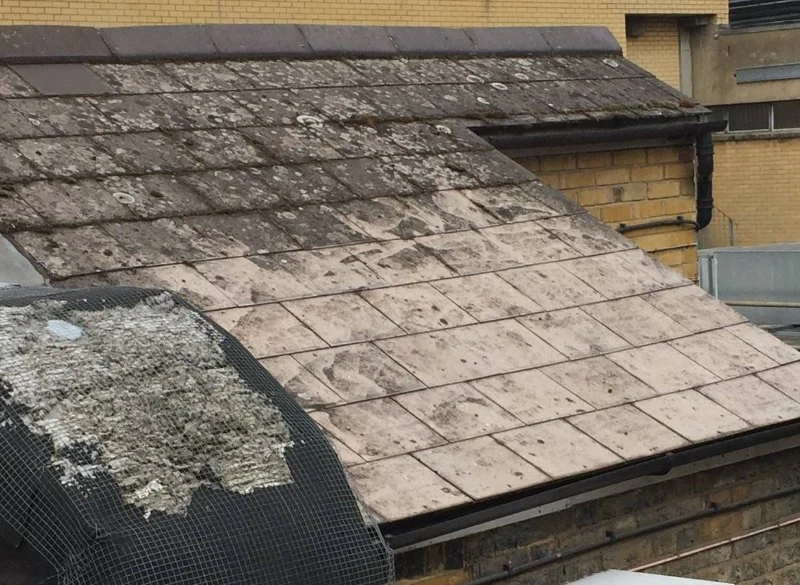
- roofing-asbestos-basics - Understanding asbestos in roofing materials and why it was used
- shingles-warning-signs - How to recognize asbestos in old shingles
- roofing-felt-risks - Identifying asbestos in roofing felt layers
- flashing-material-clues - What asbestos may look like in flashing components
- safety-inspection-steps - Safe ways to inspect and confirm asbestos presence
- real-case-example - A homeowner case study involving asbestos discovery
- professional-guidance - When and why to call roofing experts
Why Old Roofing Materials Sometimes Contain Asbestos
In many older homes across the United States, roofing systems built before the 1980s often included asbestos-based materials. The reason was simple at the time: asbestos was cheap, fire-resistant, and incredibly durable. Builders used it in shingles, underlayment felt, and even metal flashing coatings to extend roof lifespan and improve insulation.
The issue today is not just the presence of asbestos, but the way it becomes dangerous when disturbed. When old roofing deteriorates, tiny fibers can be released into the air, creating long-term health risks if inhaled. Understanding how to identify asbestos in old roofing materials is an essential skill for homeowners dealing with aging structures.
At BeachCo Roofing Hub, homeowners often report discovering unknown roofing layers during renovations. Many are surprised to learn that what looks like simple aged roofing paper or brittle shingles may actually contain asbestos materials requiring professional handling.
Recognizing Asbestos in Old Roof Shingles
Physical Characteristics That Raise Concern
Old roof shingles containing asbestos often resemble standard asphalt shingles, but they have subtle differences. They tend to feel denser, more brittle, and sometimes have a slightly fibrous texture when broken. Unlike modern shingles, they may not have uniform granule coating, and edges may crumble rather than tear cleanly.
A homeowner in Pennsylvania once shared a renovation story where their 1960s bungalow roof appeared normal at first glance. However, when a contractor removed a few shingles, the underside revealed a layered, fiber-reinforced material consistent with asbestos-based roofing products common during that era.
Age of the Roof as a Key Indicator
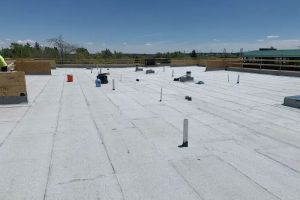
One of the strongest indicators is the installation date. Roofs installed before 1985 are significantly more likely to contain asbestos components. While age alone is not proof, it increases suspicion enough to warrant further testing before any demolition or replacement.
Common Misinterpretations
Many homeowners mistake algae stains, heavy granule loss, or moisture damage for asbestos presence. While these signs indicate roof aging, they are not direct confirmation. Proper asbestos roofing identification always requires a combination of visual inspection and lab testing.
Roofing Felt Layers and Hidden Asbestos Risks
Why Felt Was a Major Source of Asbestos Use
Roofing felt, also known as underlayment, was widely manufactured with asbestos fibers to improve durability and water resistance. Because it sits beneath shingles, it often remains hidden for decades until roof replacement begins.
This layer is particularly dangerous because homeowners rarely expect it. During tear-offs, roofing felt can become dry and brittle, increasing the chance of fiber release if handled improperly.
Signs of Asbestos-Containing Felt
While it is difficult to identify visually, older felt may appear unusually thick, dark gray or black, and layered with fibrous strands when torn. However, appearance alone is never reliable, and professional sampling is always recommended.
A real renovation case in Ohio showed that what appeared to be standard tar paper actually contained chrysotile asbestos. The discovery was made only after laboratory testing, reinforcing the importance of caution in older roofing systems.
Flashing Materials and Unexpected Asbestos Sources
Where Asbestos Appeared in Flashing Systems
Flashing is typically made of metal, but in older roofs, asbestos was sometimes used in coating compounds, sealants, and adhesive backings. These materials helped improve heat resistance and waterproofing performance.
Over time, these coatings degrade and become brittle. When removed or disturbed during roof repairs, they can release fibers into the environment.
Visual Clues in Flashing Areas
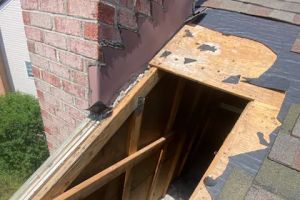
While flashing itself may not clearly show asbestos, warning signs include thick, chalky sealants, layered bituminous coatings, and aged adhesive strips that crack easily under pressure.
Safe Steps for Inspecting Potential Asbestos Roofing
Step 1: Avoid Physical Disturbance
The most important rule is simple: do not cut, drill, or break suspected materials. Disturbance is what releases hazardous fibers into the air.
Step 2: Conduct Visual Assessment from a Distance
Homeowners can safely observe roof condition using binoculars or ground-level inspection. Look for age indicators, brittle surfaces, and layered materials.
Step 3: Request Professional Testing
Certified roofing inspectors or environmental specialists can collect small samples safely and analyze them in controlled lab environments. This is the only reliable method for confirming asbestos presence.
Homeowners visiting BeachCo Roofing Hub often find guidance on selecting qualified inspection services and understanding the next steps after confirmation.
Step 4: Plan Safe Removal if Needed
If asbestos is confirmed, removal must be handled by licensed professionals following strict safety regulations. Improper handling can lead to contamination of the entire property.
Real-World Case: A Hidden Hazard Found During Renovation
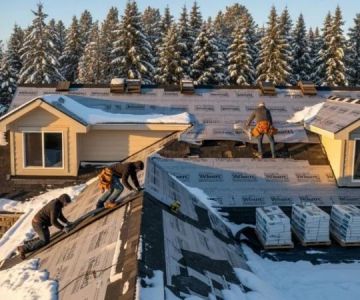
A family in California began a simple roof replacement project on their 1950s home. The contractor initially believed the roof consisted of standard asphalt shingles. However, once layers were exposed, they discovered multiple roofing systems stacked over decades, including a felt layer later confirmed to contain asbestos.
The project was paused immediately, and a specialized abatement team was brought in. While the process increased renovation costs, it prevented potential exposure and ensured compliance with safety standards.
This case highlights why understanding how to identify asbestos in old roofing materials is not just technical knowledge—it is a practical safety necessity for homeowners.
Why Professional Guidance Matters More Than Guesswork
Even experienced contractors avoid making assumptions about asbestos presence without lab confirmation. The materials used decades ago varied widely by region and manufacturer, making visual identification unreliable.
Working with experienced roofing specialists ensures that decisions are based on verified data rather than speculation. It also protects homeowners from legal and health risks associated with improper handling.
Platforms like BeachCo Roofing Hub help homeowners connect with qualified experts who understand older roofing systems and asbestos safety protocols.
Key Takeaways for Homeowners Dealing with Aging Roofs
Old roofing materials require careful attention, especially in homes built before modern asbestos regulations. Shingles, felt layers, and flashing components may all contain hidden risks that are not visible without testing.
The safest approach is always caution, professional inspection, and informed decision-making. By understanding the signs and limitations of visual identification, homeowners can avoid unnecessary exposure while planning responsible renovations.
 Daniels roofing - Bronx5.0 (1 reviews)
 Hernandez & Sons Roofing4.0 (51 reviews)
 Dunbar Roofing & Siding Co4.0 (31 reviews)
 Tucek and Sons, Inc.4.0 (28 reviews)
 Caguana Construction Inc.4.0 (52 reviews)
 Patrick Glynn Roofing LLC5.0 (35 reviews)
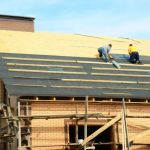 How to Install a Roof Underlayment for a Tile Roof: Step-by-Step Guide
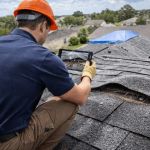 Roof Wind Uplift Ratings Explained for Hurricane Zone Safety
 How Agricultural Chemicals Affect the Lifespan of Your Roof
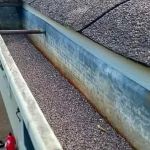 Roof Aging Signs You Should Never Ignore: Bald Spots, Sagging, and Excessive Granules in Gutters
 What is a Roofing Arbitration Clause in a Contract? Understanding Its Importance
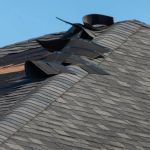 How to Prevent Roof Damage from Wind-Driven Rain