
- prep-overview-why-winterizing-your-roof-matters-for-home-protection
- weekend-checklist-roof-inspection-gutter-cleaning-and-damage-check
- ice-dam-prevention-insulation-ventilation-and-attic-control-strategy
- real-case-story-homeowner-roof-leak-prevention-before-first-snowfall
- maintenance-guidance-tools-tips-and-professional-support-options
Why Fast Roof Winter Preparation Matters Before Cold Weather Arrives
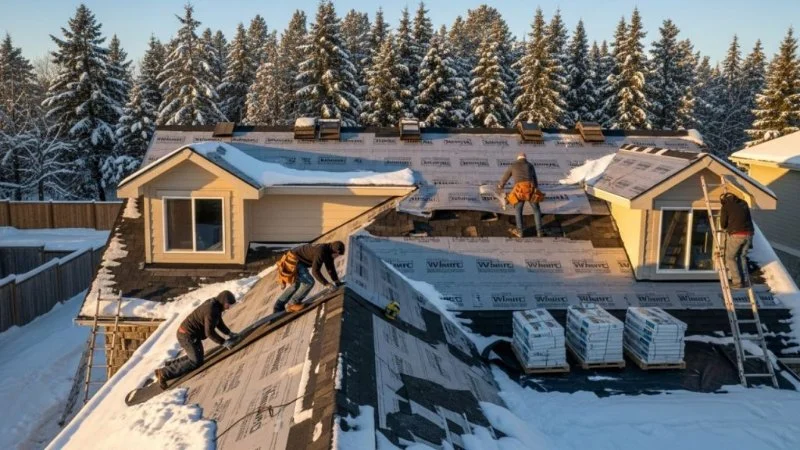
Winter weather doesn’t wait for convenience, and most homeowners only realize the importance of roof preparation when the first leak or ice dam shows up. A roof is more than just protection overhead—it is a system that depends on airflow, drainage, insulation balance, and structural health working together. When one part fails, winter snow and freezing temperatures quickly expose weaknesses.
The idea behind how to winterize your roof in just one weekend is not about cutting corners. It is about focusing on the highest-impact tasks that prevent the most common cold-weather problems: water infiltration, ice buildup, and heat loss. With the right structure, even busy homeowners can complete a meaningful roof winterization process in two days.

Zaman Roofing - CT Roofing Contractors & Roof Repair
NewingtonCapitol Planning RegionConnecticut
16 Progress Cir Unit 1D, Newington, CT 06111, USA
Weekend Roof Winterization Checklist for Busy Homeowners
Step 1: Exterior Roof Inspection for Visible Damage
Start with a careful visual inspection from the ground or using safe roof access tools. Look for missing shingles, curling edges, cracked flashing, or worn sealant around vents and chimneys. These small issues often become major leaks once snow and ice settle on the roof surface.
A practical approach is to divide your roof into sections and inspect one area at a time. This helps avoid missing details and makes the process feel manageable within a weekend schedule. If anything looks unstable or unsafe, it is better to pause and consider professional evaluation.
Step 2: Gutter Cleaning and Water Flow Correction
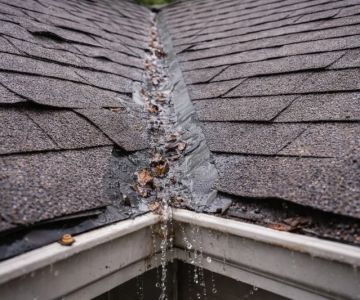
Clogged gutters are one of the most common causes of winter roof damage. When leaves and debris block water flow, melting snow has nowhere to go. It refreezes along edges and creates ice dams that push water under shingles.
Clear all gutters completely and flush them with water to ensure proper drainage. Check downspouts to confirm they are directing water away from the foundation. Even small flow restrictions can become major winter hazards once temperatures drop.
Step 3: Seal Weak Points and Roof Penetrations
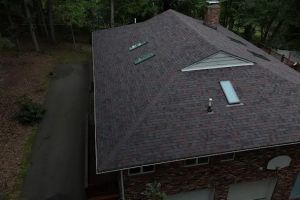
Roof penetrations such as vents, skylights, and chimneys are naturally vulnerable areas. Over time, sealants dry out and crack. Reapplying roofing-grade caulk or sealant around these points is a quick but highly effective weekend task.
This step significantly reduces the risk of moisture entering the roof structure during snow accumulation and freeze-thaw cycles.
Ice Dam Prevention Through Smart Home Heat Management
Understanding Why Ice Dams Form
Ice dams form when warm air escapes into the attic and melts the snow on the roof. The melted water then refreezes near the colder roof edges. This cycle traps water behind ice ridges and forces moisture under shingles.
Improving Attic Insulation and Airflow
A key part of roof winterization is checking attic insulation levels. Insufficient insulation allows heat transfer from the living space into the attic. Adding insulation or sealing air leaks around attic hatches can dramatically reduce heat loss.
Ventilation also plays a critical role. Ridge vents, soffit vents, and attic fans help maintain consistent roof temperature, preventing uneven melting and freezing patterns.
For homeowners looking for deeper home protection solutions, platforms like BeachCo Roofing Hub can help connect you with professional services and tools designed specifically for seasonal roof care and maintenance.
A Real Weekend Story: Preventing a Costly Roof Leak Before Winter
One homeowner in the Midwest shared a situation that perfectly illustrates the importance of quick roof preparation. They noticed minor ceiling staining in late autumn but delayed repairs due to a busy schedule. A simple weekend inspection revealed loose shingles near a valley area and partially clogged gutters.
Instead of ignoring the issue, they followed a structured weekend winterization plan. After cleaning gutters, sealing exposed flashing, and reinforcing attic insulation, they avoided what could have become a major ice dam leak during the first heavy snowfall of the season.
The key takeaway from this real-world situation is simple: small preventative actions taken in a short timeframe can prevent thousands of dollars in winter damage.
Essential Tools and Smart Maintenance Habits for Roof Longevity
Basic Tools Every Homeowner Should Have
A stable ladder, protective gloves, a roof-safe brush, sealant applicator, and gutter scoop are often enough for most weekend winterization tasks. Safety equipment should always be prioritized, especially when working on sloped surfaces.
When to Consider Professional Support
While many tasks can be completed in a weekend, some roofs require expert evaluation—especially older homes or roofs with repeated leak history. Professional inspections can identify hidden issues such as underlayment damage or structural weakening that is not visible externally.
If you prefer guided assistance or want to ensure a thorough inspection, BeachCo Roofing Hub offers resources that help homeowners understand roofing conditions and connect with trusted maintenance solutions before winter intensifies.
Building a Simple Seasonal Routine That Prevents Future Damage
The most effective roof care strategy is consistency. A weekend winterization process should not be seen as a one-time effort but as part of a seasonal maintenance cycle. Spring checks, summer ventilation adjustments, and fall winterization work together to extend roof lifespan significantly.
Homeowners who adopt this routine often report fewer emergency repairs, improved energy efficiency, and better long-term home protection. Even small habits, like clearing debris after storms or checking attic airflow once a season, create meaningful long-term benefits.
A well-maintained roof is not just about preventing damage—it is about preserving comfort, safety, and home value through every season of the year.

 Daniels roofing - Bronx5.0 (1 reviews)
 Hernandez & Sons Roofing4.0 (51 reviews)
 Dunbar Roofing & Siding Co4.0 (31 reviews)
 Tucek and Sons, Inc.4.0 (28 reviews)
 Caguana Construction Inc.4.0 (52 reviews)
 Patrick Glynn Roofing LLC5.0 (35 reviews)
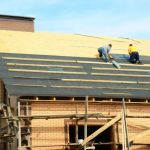 How to Install a Roof Underlayment for a Tile Roof: Step-by-Step Guide
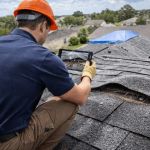 Roof Wind Uplift Ratings Explained for Hurricane Zone Safety
 How Agricultural Chemicals Affect the Lifespan of Your Roof
 Roof Aging Signs You Should Never Ignore: Bald Spots, Sagging, and Excessive Granules in Gutters
 What is a Roofing Arbitration Clause in a Contract? Understanding Its Importance
 How to Prevent Roof Damage from Wind-Driven Rain