
- 1-understanding-common-roof-leak-locations
- 2-why-roof-leaks-happen-in-specific-areas
- 3-roof-valleys-a-major-source-of-water-entry
- 4-roof-flashing-problems-and-repairs
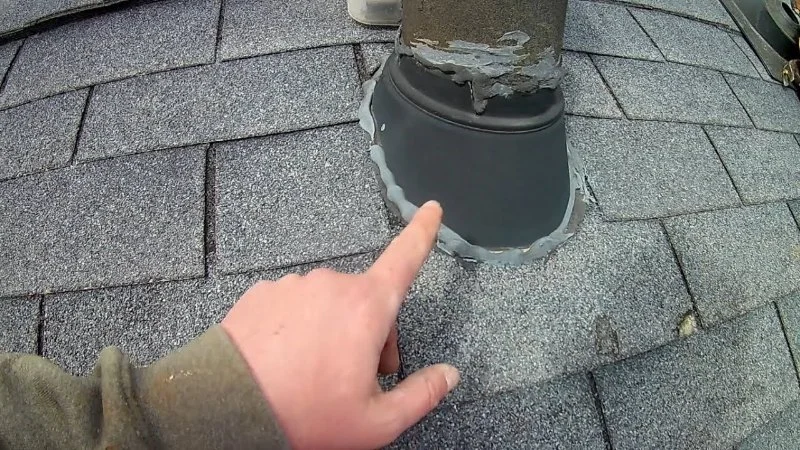
- 5-pipe-boots-and-roof-penetration-leaks
- 6-ridge-cap-damage-and-top-roof-leaks
- 7-signs-that-your-roof-may-be-leaking
- 8-preventing-roof-leaks-with-regular-maintenance
1. Understanding Common Roof Leak Locations
A roof is designed to protect a home from rain, wind, heat, and changing weather conditions. However, even a well-installed roof can eventually develop weak points. When homeowners notice water stains, damp ceilings, or unexpected moisture inside their homes, the problem often starts in one of a few predictable areas.
Understanding The Most Common Places Roofs Leak: Valleys, Flashing, Boots, and Ridge Caps can help homeowners identify problems earlier and prevent expensive structural damage. Roof leaks rarely appear randomly. Water usually enters through areas where different roofing materials meet, where components are exposed to movement, or where installation details require careful attention.
Many homeowners assume that missing shingles are the main cause of leaks. While damaged shingles can create problems, some of the most persistent leaks occur around roof valleys, flashing systems, pipe penetrations, and ridge caps.

I. Boyd Home Improvements
HyattsvillePrince George's CountyMaryland
4527 Buchanan St, Hyattsville, MD 20781, USA
Why Knowing Leak Locations Matters
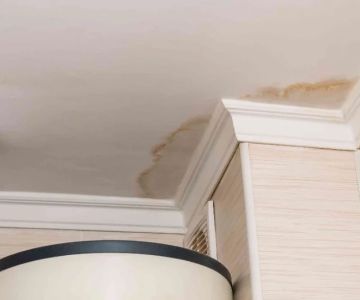
A small roof leak can become a major repair issue if ignored. Water can travel along rafters, insulation, and interior walls before appearing inside the home. This means the visible damage may not always be directly below the original entry point.
By understanding common problem areas, homeowners can:
1. Detect issues earlier.
2. Communicate more effectively with roofing professionals.
3. Reduce repair costs by addressing small problems before they grow.
4. Extend the overall lifespan of their roofing system.
Professional roofing resources such as BeachCo Roofing Hub can help homeowners better understand roofing concerns and find solutions suited to their property needs.

2. Why Roof Leaks Happen in Specific Areas
Roofs are not made from one continuous surface. They include many components working together, including shingles, underlayment, flashing, vents, pipes, and ridge materials.
Every connection point creates a potential weak area. These areas require precise installation because they must allow water to flow away while preventing moisture from entering the home.
Weather and Roof Stress
Weather conditions are one of the biggest causes of roof damage. Over time, roofs experience:
Heavy rain: Constant water exposure can test weak areas.
Strong winds: Wind can loosen shingles and damage protective materials.
Temperature changes: Expansion and contraction can create gaps.
Ice and snow: Freeze-thaw cycles can damage roofing components.
Even a small gap created by movement can allow water to enter during severe weather.
Installation Quality and Roof Leaks
Roof installation plays a major role in long-term performance. A roof may use high-quality materials, but poor installation can create vulnerabilities.
Common installation-related problems include improper flashing placement, inadequate sealing around roof penetrations, and incorrect valley construction.
3. Roof Valleys: A Major Source of Water Entry
Roof valleys are among the most important areas to understand when discussing The Most Common Places Roofs Leak. A valley is the area where two roof slopes meet, creating a channel that directs rainwater downward.
Because valleys collect and move large amounts of water, they experience more water flow than many other parts of the roof.
How Roof Valleys Work
A properly designed valley helps rainwater move efficiently from the upper sections of the roof toward gutters and drainage systems.
However, because valleys handle concentrated water flow, they require careful construction and maintenance.
Common Valley Problems
Roof valleys can develop leaks due to:
Damaged shingles: Missing or cracked shingles can expose the valley area.
Debris buildup: Leaves and branches can block water movement.
Improper installation: Poorly installed valley materials may allow water underneath.
Aging materials: Over time, protective layers can weaken.
Real-World Roof Valley Example
A common situation occurs when homeowners notice water stains on an upstairs ceiling after a heavy storm. They may assume the leak is directly above the stain, but inspection often reveals that water entered through a damaged roof valley and traveled along the roof structure before appearing indoors.
This example shows why professional inspection is important when diagnosing roof leaks.
4. Roof Flashing Problems and Repairs
Flashing is one of the most critical protective elements on a roof. It consists of metal or specialized materials installed around areas where the roof meets another structure.
Flashing is commonly found around:
1. Chimneys.
2. Skylights.
3. Walls.
4. Roof edges.
5. Vent openings.
Why Flashing Fails
Flashing problems are common because these materials are exposed to weather while also dealing with movement between different building materials.
Over time, flashing can:
Rust: Metal materials may weaken after years of exposure.
Separate: Sealants can break down and create openings.
Lift: Wind or improper installation can loosen flashing.
Crack: Temperature changes can affect surrounding materials.
Importance of Proper Flashing Repair
Replacing or repairing flashing requires attention to detail. Simply applying surface sealant may temporarily hide the problem but does not always solve the underlying issue.
A proper repair addresses how water moves around the area and restores the protective barrier.
5. Pipe Boots and Roof Penetration Leaks
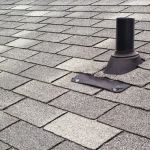
Roof penetrations are necessary for many homes. Plumbing vents, exhaust pipes, and other systems must pass through the roof surface. These openings require special protection to prevent water from entering.
Pipe boots are designed to create a waterproof seal around these openings.
Why Pipe Boots Leak
Pipe boots commonly fail because:
Rubber materials deteriorate: Sun exposure and weather can cause cracking.
Seals weaken: Aging materials may lose flexibility.
Improper installation: Poor placement can create gaps.
Animal damage: Small animals may damage exposed materials.
Identifying Pipe Boot Leaks
Leaks around pipe boots often appear as ceiling stains near bathrooms, kitchens, or utility areas.
Because these leaks may only occur during certain weather conditions, they can sometimes be difficult to locate without a detailed inspection.
6. Ridge Cap Damage and Top Roof Leaks
Ridge caps cover the highest point of a roof where two slopes meet. They provide protection while also allowing ventilation systems to function properly.
Although ridge caps are designed to withstand weather exposure, they can become a source of leaks when damaged.
Common Ridge Cap Issues
Problems may include:
Loose ridge materials: Strong winds can move or remove ridge caps.
Cracked components: Aging materials may develop damage.
Improper sealing: Poor installation can allow water entry.
Ventilation problems: Incorrect ridge vent installation can create moisture issues.
Why Ridge Caps Require Attention
Because ridge caps sit at the highest point of the roof, they experience direct exposure to wind and weather. Regular inspections can help identify damage before water reaches the interior of the home.
7. Signs That Your Roof May Be Leaking
Not every roof leak is immediately obvious. Some problems develop slowly and remain hidden until significant damage occurs.
Interior Warning Signs
Homeowners should watch for:
1. Water stains on ceilings.
2. Peeling paint or damaged drywall.
3. Musty odors.
4. Mold growth.
5. Damp insulation.
Exterior Warning Signs
Outside the home, possible indicators include:
1. Missing shingles.
2. Damaged flashing.
3. Cracked roof materials.
4. Excessive debris buildup.
5. Visible gaps around roof components.
8. Preventing Roof Leaks With Regular Maintenance
The best way to handle roof leaks is to prevent them before they happen. Regular maintenance allows homeowners to identify weak areas and address problems early.
Schedule Routine Roof Inspections
Professional inspections can identify issues that may not be visible from the ground.
Experts can check valleys, flashing, pipe boots, ridge caps, and other vulnerable areas to ensure they remain effective.
Keep Roof Drainage Clear
Gutters and drainage systems play an important role in protecting the roof.
Blocked gutters can cause water to back up and increase pressure on roofing materials.
Replace Damaged Components Quickly
Small repairs are usually easier and less expensive than major roof restoration projects.
Addressing damaged shingles, worn flashing, or aging pipe boots early can prevent larger problems.
Understanding The Most Common Places Roofs Leak: Valleys, Flashing, Boots, and Ridge Caps gives homeowners the knowledge needed to protect one of their most important investments. Roof leaks often begin in predictable areas, and recognizing these weak points can make maintenance more effective.
With regular inspections, proper repairs, and attention to roofing details, homeowners can extend the life of their roof and reduce the risk of unexpected water damage.


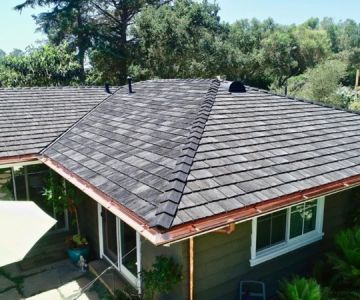
 GoTech Roofing5.0 (1 reviews)
 Top Pro Roofing Contractor Irvington4.0 (7 reviews)
 Zito and Expertise Inc5.0 (2 reviews)
 Roofing Contractor of Prospect5.0 (7 reviews)
 George O. Parsons Roofing & Siding, Inc4.0 (28 reviews)
 D&L Roofing Repair5.0 (9 reviews)
 Roofing for Different Architectural Styles: Choosing the Right Look
 How to Install a Roof Cricket Behind a Rooftop Stairwell Enclosure
 What is a Roofing Manufacturer's Representative? How They Can Help
 How to Calculate Roof Pitch: A Simple Guide for Homeowners
 How to Install Roof Vents on a House with a Finished Attic – A Step-by-Step Guide
 What Is a Roof Tune-Up? Services Included in a Semi-Annual Roof Maintenance Plan