
- wind-damage-basics - How Storms Actually Damage Roofs
- missing-shingles-costs - Pricing for Shingle Replacement and Patch Repairs
- flashing-repair-guide - Costs of Lifted or Damaged Roof Flashing
- storm-insurance-claims - How Insurance Impacts Repair Pricing
- homeowner-real-cases - Real Stories of Wind Damage Repairs
Understanding Wind Damage and Why Roof Repairs Become Urgent
Strong winds don’t need to tear off an entire roof to cause serious problems. In many cases, the damage begins subtly—loose shingles, lifted flashing, or small gaps that allow water intrusion over time. When homeowners start searching for Wind Damage Roof Repair Costs: How Much You’ll Pay for Missing Shingles, Lifted Flashing, and More, they’re usually already dealing with visible signs of storm impact.
What makes wind damage particularly frustrating is that it often looks minor from the ground. A few missing shingles might not seem alarming, but even that small exposure can lead to leaks, insulation damage, and structural weakening if not addressed quickly.
In coastal regions and storm-prone areas, roofing contractors often report that the majority of emergency calls after wind events involve “invisible escalation”—damage that worsens within days after the storm passes.

What Drives Wind Damage Roof Repair Costs
1. Roof Size and Material Type
One of the biggest factors affecting repair pricing is the roof’s total square footage and the type of materials used. Asphalt shingles are generally cheaper to replace, while metal or tile roofs require specialized labor and materials.
Larger roofs naturally require more labor time, scaffolding adjustments, and material sourcing, all of which influence final repair estimates.
2. Severity of Storm Impact
The difference between minor and severe wind damage can be substantial in cost. A few missing shingles might require a simple patch job, while widespread lifting or structural exposure can escalate into partial roof replacement.
Contractors often categorize wind damage into levels—cosmetic, moderate, and structural—to determine repair urgency and pricing structure.
3. Labor Rates and Regional Pricing
Repair costs vary significantly depending on location. Urban areas with high demand for roofing services typically see higher labor rates, especially after major storms when contractor availability becomes limited.
This supply-and-demand pressure often causes temporary spikes in repair estimates following severe weather events.
Missing Shingles: The Most Common Wind Damage Repair
Typical Repair Scenarios
Missing shingles are the most frequently reported wind damage issue. Homeowners often notice dark patches on the roof or find shingles in their yard after a storm.
A common real-world example comes from a homeowner in a coastal suburb who ignored a few missing shingles after a storm. Within two weeks, rainwater seeped into the attic, leading to insulation replacement and interior ceiling repairs that cost significantly more than the original roof fix.
Cost Expectations for Shingle Repairs
The cost of replacing missing shingles usually depends on how many are affected and whether matching materials are available. If the roof is older, sourcing identical shingles can increase labor complexity and pricing.
Small repairs may remain relatively affordable, but widespread shingle loss can quickly escalate into larger restoration work.
Lifted Flashing: Hidden Damage That Often Gets Overlooked
Why Flashing Is Critical
Flashing is designed to protect vulnerable roof areas such as chimneys, skylights, and valleys. When wind lifts or bends flashing, it creates entry points for water infiltration.
Unlike missing shingles, flashing damage is often not immediately visible, which makes it more dangerous over time.
Repair Complexity and Pricing Factors
Repairing lifted flashing involves careful sealing, repositioning, and sometimes full replacement of surrounding materials. Labor intensity is higher because precision is required to restore waterproof integrity.
Homeowners often discover flashing issues only after interior leaks appear, which increases total repair costs due to secondary damage.
Storm Damage Escalation: When Small Problems Become Expensive
One of the most important realities in roofing is that delay increases cost. A minor wind issue left unaddressed can evolve into structural water damage, mold growth, or insulation failure.
A frequently cited case involved a homeowner who postponed repairs after a mild windstorm. Months later, hidden moisture led to wood rot beneath the roof deck, turning a simple patch job into a partial rebuild.
These scenarios highlight why quick response is essential after any storm event.
Insurance and Wind Damage Roof Repair Costs
How Coverage Typically Works
Many homeowner insurance policies cover wind-related roof damage, but coverage depends on policy type, deductible, and proof of storm impact.
Documentation is critical. Photos taken immediately after a storm can significantly improve claim approval chances and streamline repair timelines.
Common Claim Challenges
Insurance companies often differentiate between “wear and tear” and “storm-caused damage.” This distinction can affect reimbursement amounts and approval speed.
Working with licensed roofing professionals helps ensure accurate inspection reports that align with insurance requirements.
Real Homeowner Experiences With Wind Damage Repairs
Across storm-affected regions, homeowners share similar experiences: initial underestimation of damage, followed by unexpected repair escalation. One recurring theme is surprise at how quickly small issues grow when exposed to repeated weather cycles.
Another example involves a suburban family who noticed only a few missing shingles after a windstorm. After a professional inspection, they discovered underlying decking damage that required more extensive repair work than expected.
These stories reinforce the importance of early assessment and professional evaluation.
How to Approach Roof Repairs After Wind Damage
Immediate Inspection Steps
After a wind event, homeowners should visually inspect their roof from the ground and check for debris, missing materials, or interior water stains.
Why Professional Evaluation Matters
Even when damage appears minor, professional inspections help uncover hidden issues that are not visible to untrained eyes. Roofing experts use specialized tools and experience to detect underlying structural risks.
For homeowners looking for reliable roofing guidance and repair solutions, platforms like BeachCo Roofing Hub help connect users with services and materials suited for storm recovery and long-term roof protection.
Long-Term Prevention Strategies
Preventing future wind damage involves regular maintenance, timely shingle replacement, and ensuring flashing remains securely sealed. Roof inspections before storm seasons can also reduce risk significantly.

 Jake's Roofing, LLC.5.0 (20 reviews)
 Perfect Exteriors4.0 (54 reviews)
 Dayhoff Construction4.0 (128 reviews)
 Hansen Bros4.0 (15 reviews)
 B & R Fournier Construction Inc5.0 (1 reviews)
 Simmons Brothers Roofing4.0 (37 reviews)
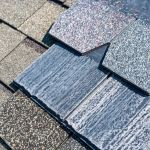 How to Choose the Best Roofing Material for a Rental Property
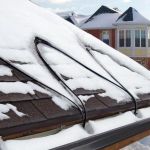 How to Install Roof Heat Cable in a Valley to Prevent Ice Dams
 How to Install Roof Snow Fences on a Low Slope Commercial Roof
 What is a Roofing Manufacturer's Research & Development? New Technologies
 How to Identify and Repair Roof Damage from Windborne Debris in a Storm
 Best Methods for Cleaning Roof Stains Without Damaging Shingles