
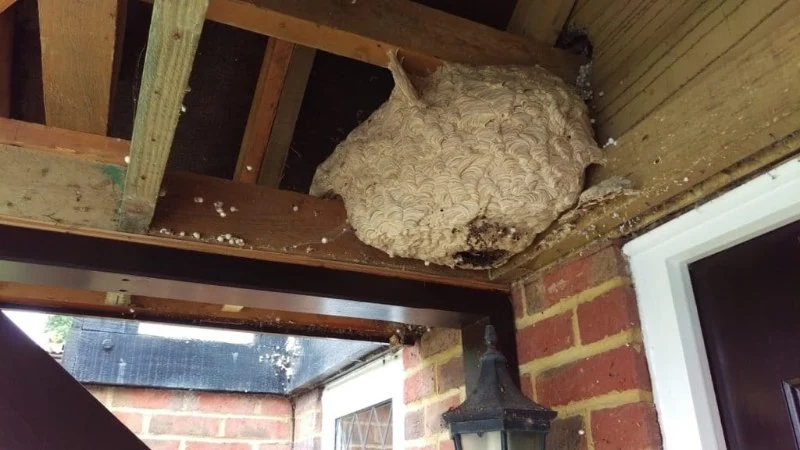
- identification-basics - How to recognize wasp nests in roof vents early before damage occurs
- risk-understanding - Why roof vents become high-risk nesting spots for wasps
- safe-removal-methods - Step-by-step safe wasp removal approaches without roof damage
- common-mistakes - What homeowners do wrong when trying DIY removal
- prevention-strategies - How to stop wasps from returning to roof vents
- real-case-example - A homeowner story showing what happens when nests are ignored
Understanding Wasp Nests in Roof Vents and Why They Are a Growing Problem
Wasp nests in roof vents have become a surprisingly common issue for homeowners across warm and temperate regions. Roof ventilation systems provide the perfect combination of shelter, warmth, and protection from predators, making them an ideal nesting site for wasps during spring and summer months.
Unlike visible outdoor nests hanging from trees or eaves, nests inside roof vents often go unnoticed until airflow problems or increased indoor wasp activity appear. This makes early identification critical for preventing structural damage and safety risks.
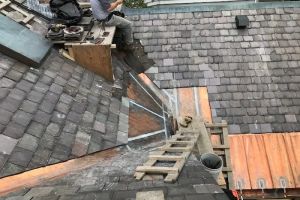
J. L. Goode Roofing & Building Contractors
BrocktonPlymouth CountyMassachusetts
13 Watson St, Brockton, MA 02301, USA
How to Identify Wasp Activity in Roof Vent Systems Early
Early detection is the most important step in preventing serious infestation. Most homeowners first notice unusual buzzing sounds coming from ceiling vents or a slight drop in ventilation efficiency. These subtle signs are often overlooked until the nest has already grown.
Subtle Warning Signs Inside the Home
If wasps are building inside roof ventilation channels, you may notice small insects appearing indoors near vents or attic openings. Another sign is warm air feeling restricted or uneven airflow through different rooms.
Exterior Indicators on Roof Structures
Outside the home, you may see increased wasp traffic around roof edges or vent covers. In some cases, small gaps in vent mesh or minor structural openings become entry points for colony expansion.
Why Roof Vents Become Prime Nesting Locations
Roof ventilation systems unintentionally create ideal nesting environments. They are dark, warm, elevated, and rarely disturbed—conditions wasps actively seek for colony growth.
In addition, vents often provide consistent airflow that helps regulate nest temperature, especially during early colony development. This makes them more attractive than exposed outdoor areas.
Safe Removal of Wasps Without Damaging Roof Structures
When dealing with wasp nests in roof vents, the biggest mistake homeowners make is attempting aggressive removal without understanding structural risks. Roof ventilation systems are delicate, and improper handling can lead to broken vent covers, water leaks, or insulation damage.
Step 1: Assess the Nest Size and Activity Level
Before any action is taken, it is essential to determine whether the nest is small and newly formed or fully developed with active wasp traffic. Small nests may be handled with caution, while larger colonies require professional intervention.
Step 2: Timing the Removal Correctly
The safest time to address wasp activity is during cooler evening hours when wasps are less active inside the nest. This reduces the risk of aggressive defensive behavior.
Step 3: Protecting Roof Vent Integrity
Roof vents should never be forcefully removed unless necessary. Instead, safe removal focuses on treating the nest through controlled access points or applying targeted treatments that do not disrupt vent seals or roofing materials.
For homeowners seeking reliable roofing safety guidance and pest-related roof protection solutions, BeachCo Roofing Hub provides helpful insights and service recommendations tailored to roof maintenance and pest prevention.
Common Mistakes Homeowners Make During DIY Wasp Removal
One of the most common errors is using high-pressure water or mechanical tools to dislodge nests. This often leads to water intrusion into attic spaces or damage to vent insulation layers.
Another mistake is sealing vents too early without ensuring the nest is fully inactive. This can trap wasps inside the structure, leading to further damage or secondary escape routes forming inside the roof system.
Why Spray-First Approaches Often Fail
Over-the-counter sprays may eliminate visible wasps but often fail to reach the core of the nest located deep inside ventilation channels. This leads to partial removal and rapid re-infestation.
Real Case Example: A Suburban Home Roof Vent Infestation
In a suburban neighborhood in the Midwest, a homeowner noticed intermittent buzzing sounds coming from the bathroom ceiling vent. Initially ignored, the issue escalated over several weeks until airflow became noticeably weaker.
Upon inspection by a roofing specialist, a fully developed wasp colony was discovered inside the roof vent duct. The nest had expanded into insulation material, causing both airflow obstruction and minor moisture buildup due to blocked ventilation.
The repair process required careful removal of the nest, cleaning of the vent system, and partial insulation replacement. The homeowner later admitted that early intervention would have prevented most of the damage.
How to Prevent Wasps from Returning to Roof Vents
Prevention is significantly easier than removal. One of the most effective strategies is installing fine mesh vent covers designed to block insect entry while maintaining airflow efficiency.
Routine Roof Maintenance Practices
Regular roof inspections, especially before peak wasp season, can help identify early signs of structural vulnerabilities. Sealing small gaps and ensuring vent covers remain intact greatly reduces infestation risks.
Environmental Adjustments Around the Home
Reducing attractants such as exposed food waste, sugary outdoor spills, or standing water can also discourage wasps from establishing colonies near roof structures.
When Professional Help Becomes Necessary
Not all wasp nest situations can or should be handled independently. Large colonies, hard-to-reach roof vents, or repeated infestations require trained professionals who understand both pest behavior and roofing systems.
Professional intervention ensures that removal is done safely without compromising roof integrity, insulation, or ventilation performance.
 Premier Roofing LLC4.0 (57 reviews)
 A-Preferred Roofing & Contracting4.0 (17 reviews)
 Western Roofing & Siding Care.4.0 (18 reviews)
 DAG Roofs5.0 (2 reviews)
 Markou Roofing4.0 (8 reviews)
 D J Hall Roofing4.0 (12 reviews)
 How to Install Roof Vents on a House with a Shallow Attic Space
 What is a Roofing Square? How to Convert Measurements for Your Project
 How to Identify and Repair Roof Damage from Sand and Abrasive Dust in Arid Regions
 Roof Repair vs Roof Restoration | Key Differences Explained | BeachCo Roofing Hub
 How to Install Ridge Vents for Proper Roof Exhaust: A Step-by-Step Guide
 What is a Roofing Consultant and When Should You Hire One?