
- spring-roof-prep-storm-readiness-checklist-homeowners - Seasonal inspection planning
- gutter-cleaning-drainage-spring-maintenance-guide - Preventing water buildup issues
- shingle-flashing-inspection-pre-summer-storms - Detecting early roof damage
- attic-ventilation-heat-moisture-control-roof-health - Preventing long-term structural damage
- storm-season-roof-protection-strategy-2026 - Full seasonal protection planning
Why Spring Roof Maintenance Matters Before Summer Storm Season
Spring is more than just a seasonal transition—it is the most important preparation window for homeowners who want to protect their roofs from the intense weather patterns of summer. Across many parts of the United States, summer storms bring heavy rain, strong winds, hail, and sudden temperature shifts that can expose even small roofing issues.
A properly executed spring roof maintenance checklist for 2026 is not just about cleaning or visual inspection. It is about identifying vulnerabilities early, reinforcing weak points, and ensuring the entire roofing system is ready to withstand unpredictable weather conditions.

American Roofing and Spray Foam
WashingtonDistrict of Columbia
325 Pennsylvania Ave. SE, Washington, DC 20003, USA
How Small Spring Issues Turn Into Summer Emergencies
One of the most common patterns in roofing damage is delayed detection. A loose shingle or clogged gutter in March may seem harmless, but by July, it can lead to water intrusion, insulation damage, or even structural weakening.
A homeowner in Tennessee once shared how a minor flashing gap ignored in spring turned into a full ceiling leak during a summer thunderstorm. That single overlooked detail resulted in weeks of repair work that could have been avoided with a simple seasonal inspection.

Multi-State Roofing Inc
Lawrence TownshipMercer CountyNew Jersey
119 Birchwood Knoll, Lawrence Township, NJ 08648, USA
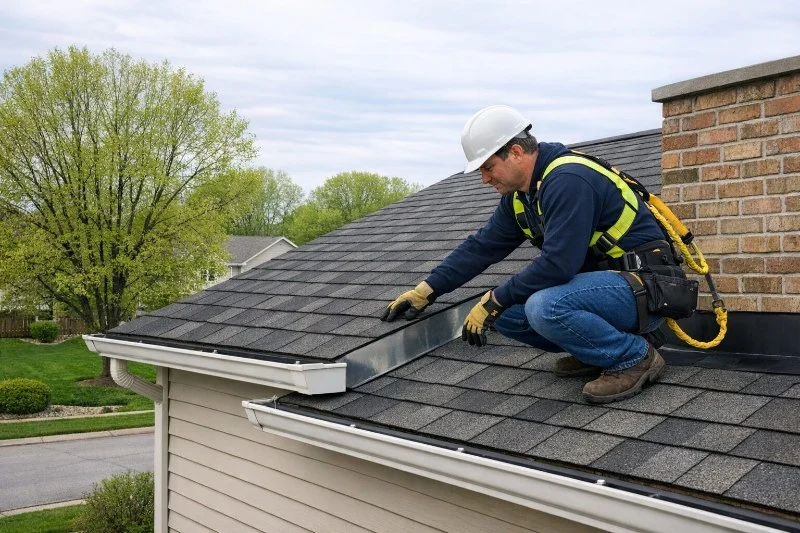
Step One: Complete a Full Roof Surface Inspection
The first step in any spring roof maintenance routine is a careful visual inspection of the roof surface. This helps identify visible signs of wear before storms intensify existing damage.
What to Look for During Inspection
Focus on missing shingles, curling edges, uneven surfaces, and discoloration patterns. These often indicate weathering, moisture retention, or aging materials. Even subtle changes in roof texture can signal deeper structural concerns.
Real Example: A Prevented Summer Leak in Ohio
A homeowner in Ohio noticed slight granule loss on asphalt shingles during a spring inspection. Acting early, they replaced a small section of roofing material. When summer storms arrived, that proactive repair prevented water penetration that would have otherwise damaged attic insulation.
Homeowners looking for structured guidance often rely on resources like BeachCo Roofing Hub, which provides seasonal maintenance insights and tools designed to simplify roof care decisions.
Step Two: Clean and Rebuild Gutter Drainage Systems
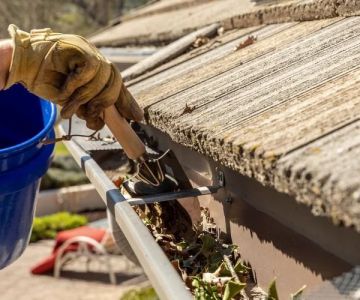
Gutter maintenance is one of the most critical yet overlooked parts of spring roof preparation. During winter, leaves, debris, and frozen residue often accumulate, creating blockages that interfere with water flow.
Why Gutters Matter More Before Storm Season
When summer storms hit, gutters act as the first defense against water damage. If they are clogged, rainwater overflows and runs down exterior walls, eventually reaching the roof structure or foundation.
Common Oversight Among Homeowners
Many homeowners assume gutters only need attention in fall. However, spring debris buildup can be just as damaging, especially after wind-heavy winter conditions that dislodge branches and roof materials.
Step Three: Inspect Shingles, Flashing, and Roof Seals
Shingles and flashing form the protective outer layer of any roofing system. Spring is the ideal time to inspect these components because weather conditions are mild enough for safe access and repairs.
Early Warning Signs of Damage
Look for cracked shingles, lifted edges, rusted flashing, or loose sealant around vents and chimneys. These weak points often become entry zones for rainwater during summer storms.
Case Study: Florida Storm Season Prevention
A homeowner in Florida discovered rusted flashing around a skylight during a spring inspection. After resealing and reinforcing the area, the roof survived multiple tropical storm events without any leakage or structural damage.
Step Four: Evaluate Attic Ventilation and Moisture Balance
A healthy roof system depends not only on external protection but also on internal airflow. Attic ventilation plays a crucial role in regulating temperature and preventing moisture buildup.
How Poor Ventilation Affects Roof Lifespan
When warm air becomes trapped in the attic, it accelerates shingle deterioration and increases the risk of mold growth. During summer, this trapped heat can also raise cooling costs and weaken roofing materials over time.
Simple Spring Improvements That Make a Big Difference
Ensuring vents are clear and insulation is evenly distributed can significantly improve airflow. Even minor adjustments during spring can stabilize roof temperature during extreme summer heatwaves.
Step Five: Check for Structural Weakness and Minor Repairs
Spring is also the best time to address small repairs before they evolve into major issues during storm season. This includes sealing gaps, replacing worn materials, and reinforcing vulnerable roof areas.
Why Timing Matters for Repairs
Warm spring temperatures allow roofing materials to seal properly. Waiting until summer or fall can make repairs more difficult due to extreme heat or unpredictable storms.
Real Scenario: A Small Fix That Avoided Major Costs
A homeowner in Texas noticed a small water stain in the attic ceiling during early spring. After sealing a minor roof penetration, they avoided extensive damage when heavy storms hit later that summer.
Step Six: Prepare for Storm Season With a Final Roof Readiness Check
After completing inspections and repairs, a final readiness check ensures nothing has been overlooked. This step confirms that the roof is fully prepared for unpredictable weather conditions.
What a Final Check Should Include
Verify that gutters are clear, shingles are secure, attic airflow is consistent, and all flashing points are sealed. This final review acts as a safeguard against unexpected failures during storms.
Many homeowners choose to follow structured seasonal guides from BeachCo Roofing Hub to stay ahead of maintenance schedules and avoid last-minute repairs during storm season.
Why the 2026 Spring Roof Checklist Is More Important Than Ever
Weather patterns in recent years have become increasingly unpredictable, with stronger storms and more frequent temperature fluctuations. This makes preventive maintenance more valuable than reactive repairs.
A well-executed spring roof maintenance checklist for 2026 helps homeowners reduce long-term repair costs, extend roof lifespan, and improve home safety during severe weather seasons.
Consistency is key. Homeowners who follow seasonal maintenance routines often experience fewer emergencies and greater peace of mind when storm season arrives.


 Innovative Solutions Contracting Llc4.0 (52 reviews)
 Smart Care Exteriors LLC5.0 (8 reviews)
 Classic Windows & Roofing0.0 (0 reviews)
 Bls Roofing5.0 (6 reviews)
 Marshall Roofing, Siding & Windows Inc4.0 (51 reviews)
 Vista Home Renovations5.0 (2 reviews)
 The Cost of a Roof Replacement with a Titanium Zinc Standing Seam Metal Roof - BeachCo Roofing Hub
 What is a Roofing Material Storage Plan On-Site? Protecting Your Property
 How to Choose a Roofing Contractor That Handles Insurance Claims – Expert Tips
 How to Install Roof Shingles in High Wind Conditions
 How to Install Ridge Vents for Proper Roof Exhaust: A Step-by-Step Guide
 How to Calculate Roof Pitch: A Simple Guide for Homeowners