
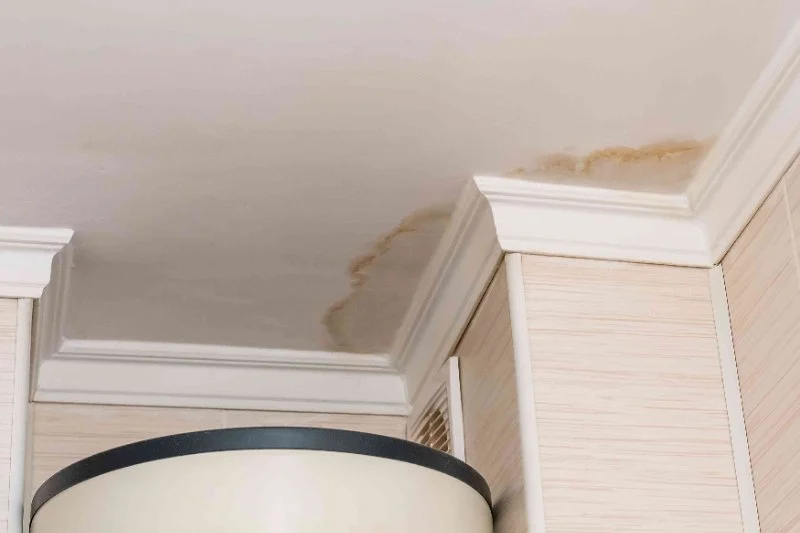
- Understanding-Ceiling-Water-Stains-Without-Drips
- Why-Intermittent-Roof-Leaks-Are-Hard-To-Find
- Common-Causes-Of-Hidden-Roof-Leaks
- How-To-Trace-The-Source-Of-A-Ceiling-Water-Stain
- Checking-Attic-And-Roof-Areas-For-Hidden-Damage
- Weather-Related-Intermittent-Roof-Leak-Problems
- Real-Life-Roof-Leak-Investigation-Example
- Preventing-Future-Ceiling-Water-Stains
- Choosing-Professional-Roof-Leak-Solutions
Understanding a Ceiling Water Stain Without an Active Drip
Finding a brown mark on your ceiling can be stressful, especially when you look up and notice there is no visible dripping water. Many homeowners assume that if water is not actively falling from the ceiling, the problem has stopped. Unfortunately, that is often not the case.
A ceiling water stain but no active drip is one of the most confusing signs of a roofing problem because the damage may appear long after water first entered the home. Moisture can travel through insulation, wood framing, and drywall before finally becoming visible inside your living space.
An intermittent roof leak can be even more challenging because it may only appear during certain weather conditions. A roof may leak during heavy rain, strong winds, melting snow, or temperature changes, then completely dry before an inspection takes place.
Understanding how to find the source of an intermittent roof leak requires patience and a systematic approach. Instead of only looking directly above the ceiling stain, homeowners need to investigate the entire path water may have traveled.

DMV Exteriors
Ashton-Sandy SpringMontgomery CountyMaryland
837 Olney Sandy Spring Rd #7, Sandy Spring, MD 20860, USA
Why a Ceiling Stain Does Not Always Show an Active Leak
Water does not always move straight downward. When moisture enters through a damaged roof area, it can follow roof decking, rafters, electrical wiring, insulation, or other building materials before reaching the ceiling.
For example, a roof leak above a bedroom may actually begin several feet away near a chimney, roof vent, or damaged flashing. The water travels internally before creating a visible stain.
This is why repairing only the stained area without identifying the original source can lead to repeated damage.

Lifetime Quality Roofing LLC
WolcottNaugatuck Valley Planning RegionConnecticut
458 Wolcott Rd, Wolcott, CT 06716, USA
Why Intermittent Roof Leaks Are Hard to Find
Unlike a plumbing leak that may continuously drip, an intermittent roof leak can disappear before anyone notices it. These leaks often leave homeowners wondering why their ceiling is damaged when there is no obvious water problem.
1. The Leak Depends on Weather Conditions
Many roof leaks only happen under specific circumstances. A small opening in roofing materials may allow water inside during a strong storm but remain dry during light rain.
Wind-driven rain is a common example. Rainwater can be pushed underneath shingles, behind siding, or around flashing areas that normally remain protected.
2. Water May Collect Before Entering the Home
Roof systems contain multiple layers designed to protect the interior. When one layer fails, water may collect between materials before eventually reaching the ceiling.
This delay explains why homeowners may notice a stain days after a storm has passed.
3. Small Problems Can Create Large Visible Damage
A tiny roof opening does not need to produce a constant drip to create serious problems. Repeated moisture exposure can weaken drywall, damage insulation, encourage mold growth, and affect indoor air quality.
Common Causes of Hidden Roof Leaks
When homeowners ask, “Why do I have a ceiling water stain but no active drip?” the answer is usually related to hidden roof damage. Several areas of a roof can allow moisture to enter without creating an obvious exterior problem.
1. Damaged or Missing Roof Shingles
Roof shingles provide the first protective layer against rain. Cracked, curled, loose, or missing shingles can create openings where water enters.
Sometimes the damage is small enough that it is difficult to notice from the ground. However, repeated exposure to rain can allow moisture to slowly move into the roofing structure.
2. Faulty Roof Flashing
Flashing protects vulnerable areas where the roof meets another structure, such as:
- Chimneys.
- Skylights.
- Roof valleys.
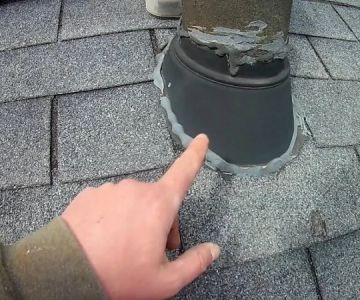
- Vents.
- Exterior walls.
Damaged flashing is one of the most common causes of intermittent leaks because water may only enter under certain wind or rainfall conditions.
3. Blocked Gutters and Poor Drainage
Gutters play an important role in directing water away from the roof and foundation. When gutters become clogged, water can overflow and collect near roof edges.
Over time, trapped moisture can damage roofing materials and create hidden entry points.
4. Roof Vent Problems
Roof vents require proper sealing to prevent water intrusion. Damaged seals, cracked vent covers, or improper installation can allow water to enter during storms.
How to Trace the Source of a Ceiling Water Stain
Finding the source of an intermittent roof leak requires more than simply looking at the ceiling stain. The visible mark is only the final location where moisture appears.
Step 1: Examine the Ceiling Stain Carefully
Start by observing the size, color, and location of the stain. Dark brown edges, peeling paint, or soft drywall may indicate ongoing moisture problems.
Take note of when the stain appears. Did it happen after heavy rain? Strong winds? Snow melting? These details can provide important clues.
Step 2: Inspect the Area Above the Stain
If you have safe access to the attic, inspect the area above the damaged ceiling section.
Look for:
- Wet insulation.
- Water marks on wood framing.
- Dark spots on roof decking.
- Mold growth.
- Damp areas after rainfall.
Remember that the leak source may not be directly above the ceiling stain.
Step 3: Follow the Water Path
Professional roof inspectors often work backward from the interior damage toward the roof surface.
Tracing water movement helps identify whether the problem comes from shingles, flashing, vents, or another roof component.
Checking Attic and Roof Areas for Hidden Damage
The attic is often the best place to find clues about a hidden roof leak. However, safety should always come first. Avoid walking on areas that are not designed to support weight.
Signs of Moisture Problems in the Attic
- Wet insulation.
- Water stains on wooden beams.
- Musty odors.
- Condensation buildup.
- Visible mold.
Some homeowners discover that their ceiling stain is caused by an issue that has existed for months. The earlier the problem is identified, the easier and less expensive the repair is likely to be.
Exterior Roof Inspection
A roof inspection from outside can reveal problems such as:
- Broken shingles.
- Damaged flashing.
- Cracked sealant.
- Roof material deterioration.
- Improper drainage.
Because roof surfaces can be dangerous, many homeowners choose to have professionals inspect difficult-to-reach areas.
Weather-Related Intermittent Roof Leak Problems
Weather plays a major role in creating intermittent leaks. A roof may appear completely fine during dry conditions but fail during extreme weather events.
Heavy Rain and Storm Conditions
Large storms test every part of a roofing system. High volumes of water can expose weaknesses that remain unnoticed during normal rainfall.
Strong Winds
Wind can lift shingles, damage flashing, and push rain into areas that are normally protected.
Temperature Changes
Expansion and contraction from temperature changes can create small cracks in roofing materials. These openings may slowly allow moisture inside.
Real-Life Roof Leak Investigation Example
A homeowner in a coastal area noticed a large yellow-brown ceiling stain above the living room. After several rainy days, they expected to find an obvious leak, but there was no active dripping.
The homeowner initially checked the ceiling area directly above the stain but found nothing unusual. A professional inspection later discovered that wind-driven rain was entering through damaged flashing near a roof vent several feet away.
The water traveled along the roof structure before reaching the ceiling. Once the flashing was repaired, the staining stopped.
This example shows why finding the source of an intermittent roof leak requires looking beyond the visible damage.
Preventing Future Ceiling Water Stains
Preventive maintenance is one of the best ways to avoid unexpected roof leaks.
Regular Roof Inspections
Routine inspections can identify small issues before they become major problems.
Maintain Gutters and Drainage Systems
Keeping gutters clean helps prevent water buildup around roof edges.
Monitor After Severe Weather
After major storms, check for missing shingles, damaged flashing, or new interior stains.
Choosing Professional Roof Leak Solutions
A ceiling water stain but no active drip can be frustrating because the visible problem does not always reveal the true cause. Attempting random repairs without identifying the source can waste time and money.
Professional roofing specialists use experience, inspection methods, and knowledge of roofing systems to locate hidden problems more accurately.
BeachCo Roofing Hub provides homeowners with roofing guidance and solutions designed to help identify and address roof-related issues. Whether you are dealing with a small ceiling stain or a recurring intermittent roof leak, getting the right information and professional support can protect your home from further damage.
When you notice unexplained ceiling discoloration, do not wait until a visible drip appears. Learning how to find the source of an intermittent roof leak and addressing the problem early can save you from costly repairs in the future.



 Detailz Carpentry & Roofing LLC5.0 (43 reviews)
 All Season Roofing & Construction5.0 (1 reviews)
 J&S Roofing contractors LLC5.0 (1 reviews)
 Alpine Commercial Roofing1.0 (2 reviews)
 GW Roofing And Construction4.0 (9 reviews)
 Titan Roofing & Windows5.0 (35 reviews)
 Best Roofing Materials for Mid-Century Modern Homes: Top Options for Style and Durability
 How to Install Roof Shingles in High Wind Conditions
 Best Roofing Materials and Costs for 2024 – Complete Guide
 The Pros and Cons of a Black Roof vs. a White Roof
 How to Install a Roof Vent for a Gas Water Heater or Furnace
 The Benefits of a Roofing Manufacturer's Approved Installer Program