
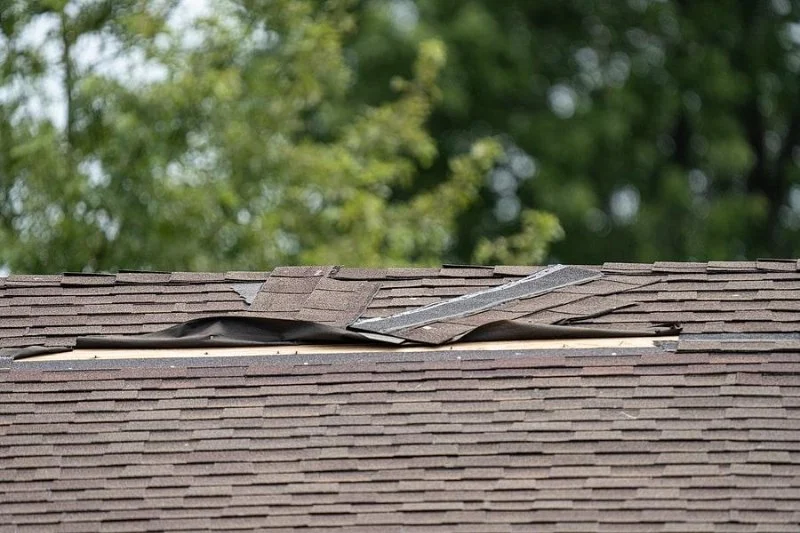
- Understanding Emergency Roof Repairs
- Tools and Materials You Will Need
- Step-by-Step Guide to Repairing a Torn or Blown-Off Roof
- Common Challenges in Roof Repair
- Maintenance and Precautionary Tips
- BeachCo Roofing Hub Recommendations
Understanding Emergency Roof Repairs
When your roof is torn or a section is blown off during a storm, it's essential to act quickly to prevent further damage. Emergency roof repairs help prevent water infiltration and damage to your home while you wait for a permanent fix. Emergency repairs can be temporary but should be effective enough to mitigate damage.
Whether you're dealing with a small tear or a significant section of the roof blown off, understanding the best methods for emergency repair is crucial for protecting your home from the elements.

Tough Remodeling Group LLC
WolcottNaugatuck Valley Planning RegionConnecticut
36 Blansfield Ln, Wolcott, CT 06716, USA
Tools and Materials You Will Need
Before starting the repair, gather the necessary tools and materials to ensure the repair is effective and safe. Here’s what you'll need:
- Roofing Tar or Emergency Roof Repair Tape: Used to temporarily seal leaks and holes in the roof.
- Roofing Nails or Screws: To secure the roof materials in place.
- Roofing Cement: For sealing edges and preventing water from leaking into the home.
- Plastic Sheeting or Tarp: Used to cover the torn area and protect the underlying structure from water damage.
- Ladder: For safe access to the roof.
- Utility Knife: To trim roofing materials and sheeting.
- Work Gloves and Safety Gear: To ensure safety during the repair process.
Step-by-Step Guide to Repairing a Torn or Blown-Off Roof
Follow these steps to quickly repair a torn or blown-off roof section in an emergency:
- Step 1 - Assess the Damage: Carefully inspect the roof to determine the extent of the damage. If a section of the roof has been blown off, check for any exposed areas that could allow water to enter your home.
- Step 2 - Secure the Area: If possible, use a ladder to climb onto the roof safely. Cover the damaged area with a large tarp or plastic sheeting to protect it from rain and wind until you can complete the repair.
- Step 3 - Apply Roofing Tar or Tape: For smaller holes or tears, apply roofing tar or an emergency roof repair tape over the damaged area. Ensure the material fully covers the hole, and press it down firmly to prevent water from entering.
- Step 4 - Secure Roofing Materials: If a section of the roof has been completely blown off, use roofing nails or screws to secure the new roofing materials in place. You may need to cut new materials to fit the space and overlap existing roofing materials to ensure a watertight seal.
- Step 5 - Seal the Edges: Apply roofing cement around the edges of the repair area to seal any gaps and prevent water from seeping through. Make sure to press the material down tightly and allow it to set before moving on.
- Step 6 - Final Check: Once the repair is complete, inspect the area to ensure there are no gaps or loose materials. The tarp or sheeting should remain in place until a permanent repair can be arranged.
Common Challenges in Roof Repair
While repairing a torn or blown-off roof section in an emergency is essential, there are some challenges you might face:
- Weather Conditions: Working in windy or rainy conditions can be dangerous. Always prioritize safety and postpone repairs if the weather is too severe.
- Temporary Solutions: Emergency repairs are meant to be temporary. Ensure that you schedule a professional roofing service to provide a permanent fix as soon as possible.
- Roofing Material Compatibility: Ensure that the repair materials you use are compatible with the existing roof type to avoid complications when applying a permanent solution.
Maintenance and Precautionary Tips
To minimize the likelihood of needing emergency repairs in the future, regular maintenance is essential:
- Inspect the Roof Regularly: Check for signs of wear and tear, such as loose shingles, leaks, or damaged flashing. Catching these issues early can prevent costly emergency repairs.
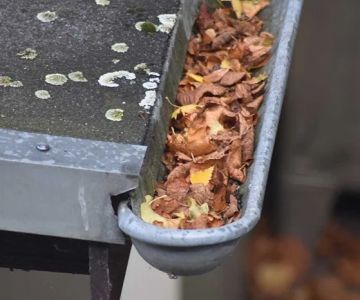
- Clean Gutters and Downspouts: Clogged gutters can lead to water pooling on the roof, causing damage. Clean them regularly to ensure water flows away from the roof properly.
- Trim Nearby Trees: Overhanging branches can damage the roof during storms. Regularly trim trees near your home to prevent this risk.
BeachCo Roofing Hub Recommendations
If you're looking for high-quality roofing materials and emergency repair kits, visit BeachCo Roofing Hub. They offer a variety of roofing solutions to ensure your roof remains secure and protected from the elements. For reliable, durable, and efficient repair products, BeachCo Roofing Hub has you covered.

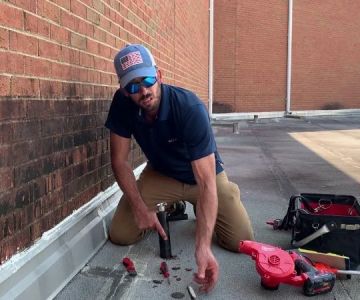
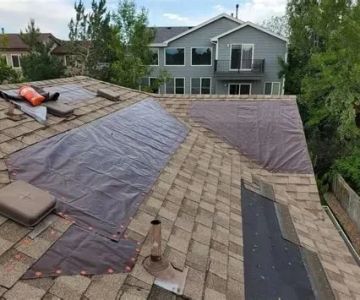
 MN General Construction5.0 (3 reviews)
 TEO Roofing5.0 (269 reviews)
 Farley Roofing & Installation5.0 (7 reviews)
 Epic Exteriors Roofing5.0 (73 reviews)
 Advanced Roofing, Siding and Windows Inc.4.0 (31 reviews)
 KENVAR GENERAL CONTRACTORS5.0 (27 reviews)
 How to Choose a Roof Color for a Commercial Building for Brand Identity
 How to Choose a Roofing Contractor That Uses Drones for Inspection and Estimates
 The Cost of a New Roof with an Energy Star Rated Reflective Coating
 What is a Roofing System Design Professional? When to Hire an Engineer
 How to Choose a Roofing Contractor That Provides a Written Warranty
 How to Paint a Roof: Is It a Good Idea and What Paint to Use?