Why Moss and Algae Grow on Roofs
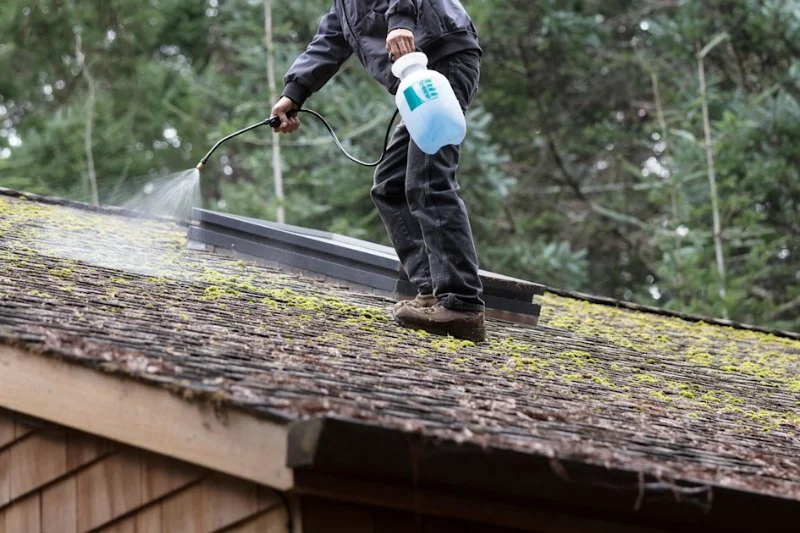
Moss and algae thrive on roofs for several reasons. Both organisms prefer damp, shaded areas, and they are often found growing on the north side of roofs where sunlight is limited. Moss grows particularly well in places with high humidity and poor drainage, while algae flourish in moist, shaded areas where rainfall or dew doesn’t evaporate quickly. Over time, if left unchecked, moss and algae can cause damage to roofing materials, leading to costly repairs.
Marshall Roofing, Siding & Windows Inc
ManassasPrince William CountyVirginia
8561 Sudley Rd, Manassas, VA 20110, USA
How Environmental Factors Contribute
Roof pitch, shading from nearby trees, and the roofing material itself can all play a role in moss and algae growth. Roofs with low slopes tend to hold moisture longer, while trees that provide shade create a perfect environment for moss and algae to develop. Additionally, organic debris such as leaves and twigs trapped on the roof can contribute to the buildup of moisture, allowing these organisms to grow even faster.
Next Level Exteriors
GermantownMontgomery CountyMaryland
12410 Milestone Center Dr Suite 600, Germantown, MD 20876, USA
Dangers of Moss and Algae on Roofs
While moss and algae may seem harmless, they can cause significant damage to your roof over time. Here are a few key reasons why you should address moss and algae growth as soon as possible:
1. Damage to Roofing Materials
Moss can lift shingles and create gaps between them, leading to water infiltration. Algae, while typically not as physically damaging as moss, can stain shingles and cause discoloration. This can reduce the lifespan of your roof and may result in expensive repairs.
2. Clogged Gutters
When moss and algae grow on your roof, they often shed pieces that fall into your gutters, causing clogs. Clogged gutters can lead to water buildup, potentially causing roof leaks and water damage to your home’s foundation, siding, and interior.
3. Aesthetic Damage
Besides the potential for damage, moss and algae growth on your roof can also affect your home’s curb appeal. Discolored shingles, uneven growth, and unsightly stains are not only unattractive but can also decrease the overall value of your property.
Safe Removal Techniques for Moss and Algae
Removing moss and algae from your roof requires caution to avoid damaging the roofing materials. Here are some safe and effective techniques to remove these unwanted growths:
1. Use a Moss and Algae Cleaner
There are several commercial moss and algae cleaners available on the market. These cleaners are specifically designed to kill the organisms without damaging your roof. Be sure to choose a product that is safe for your roofing material, whether it’s asphalt shingles, tile, or metal.
2. Soft Washing
Soft washing is a gentler alternative to pressure washing. This method uses low-pressure water combined with a cleaning solution to remove moss, algae, and dirt without causing damage to the shingles or other roofing materials. It's a great option for homeowners who want to avoid harsh techniques that could harm the roof.
3. Manual Scraping
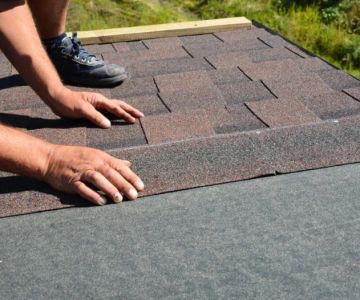
If you have a small amount of moss or algae growth, you can remove it manually with a scrub brush or plastic scraper. Be sure to work gently to avoid damaging the surface of the shingles. Always wear non-slip shoes and take proper safety precautions when working on your roof.
Prevention Tips for Moss and Algae
Prevention is the best way to keep moss and algae from growing on your roof in the first place. Here are a few tips to help you keep your roof clean and free of these organisms:
1. Trim Overhanging Trees
Trimming back trees and branches that hang over your roof can help reduce the amount of shade and moisture that accumulates on your roof. More sunlight means less opportunity for moss and algae to thrive.
2. Install Zinc or Copper Strips
Installing strips of zinc or copper along the ridge of your roof can help prevent the growth of moss and algae. When rainwater flows over these metal strips, it releases small amounts of the metal, which helps to kill moss and algae without harming your roof.
3. Ensure Proper Roof Ventilation
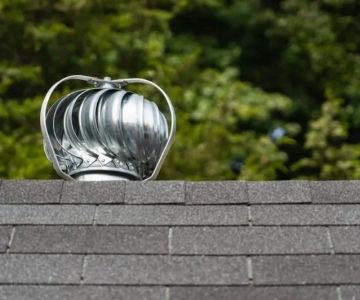
Good roof ventilation is crucial for preventing moss and algae growth. Adequate ventilation helps keep your roof dry, preventing moisture from accumulating in areas where moss and algae could thrive. Ensure your attic is properly ventilated, and check that your roof’s ventilation system is working effectively.
Real-Life Case: Roof Maintenance and Moss Removal
Take the case of the Johnson family, who noticed a significant amount of moss growing on their roof after a few months of heavy rainfall. Concerned about the long-term damage, they decided to call a professional roofing company to have the moss removed. The company used a combination of soft washing and moss-killing solution to safely remove the growth without damaging the shingles. To prevent future moss issues, the Johnsons had zinc strips installed along their roof’s ridge and trimmed the trees surrounding their home. As a result, their roof remained clean and protected for many years, proving the importance of regular roof maintenance and timely moss removal.
 Sykes Restorations5.0 (22 reviews)
 Bob & Son's Roofing3.0 (8 reviews)
 Flat Roof Company5.0 (11 reviews)
 Fisher Roof Systems5.0 (2 reviews)
 Nations Roof0.0 (0 reviews)
 Loyalty Exterior Roofing Solutions4.0 (14 reviews)
 What is a Roofing Warranty Transfer and How Does it Work When You Sell?
 How to Install Roof Ice Melt Systems to Prevent Ice Dams
 How to Identify and Repair Roof Damage from Poor Ventilation
 How to Choose a Roof Color for a House with Brick Exterior
 The Pros and Cons of a Liquid-Applied Reinforced Roof Membrane System
 How to Repair a Roof Leak from a Rooftop Garden or Green Roof