
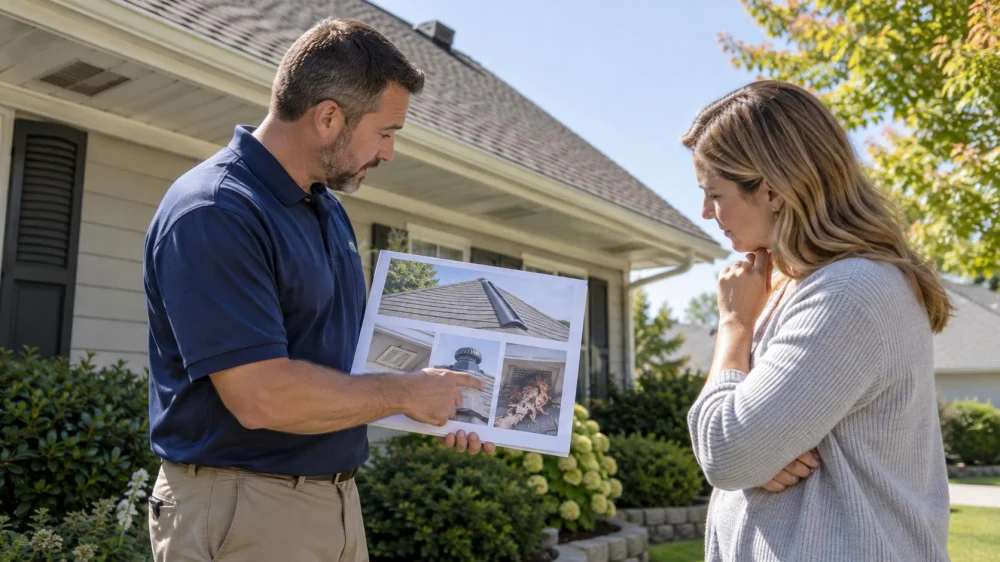
Roof Ventilation Review: Intake, Exhaust, and Blocked Paths
On this page
At a glance
Start by checking intake, exhaust, blocked paths, and follow-up. Record what you observe, confirm any rule or instruction with the responsible provider, and decide your stop or escalation point before acting. The goal is a repeatable check—not a promise, diagnosis, or substitute for qualified advice.
Ab-Tec roofing & Home Improvement
DracutMiddlesex CountyMassachusetts
48 Stone St, Dracut, MA 01826, USA
The purpose of roof ventilation review
This guide is for readers in United States who want a practical way to review roof ventilation review. A useful check separates direct observations, provider statements, and assumptions, then records enough context for a safe next decision.
Confirm scope, access, materials, safe isolation, responsibilities, documentation, and completion criteria with an appropriately qualified provider.
New Look Masonry & Construction
SomervilleMiddlesex CountyMassachusetts
240 Elm St 2nd & 3rd floor, Somerville, MA 02144, USA
Set up a reliable check
Gather the current instructions, relevant records, contact details, and a simple note format before you begin. Define what success, delay, and a stop condition mean for this situation.
Checklist for the real situation
- Confirm intake and write down the source of the information.
- Check exhaust under the conditions that matter to your situation.
- Record blocked paths with a date, location, model, item, or person when relevant.
- Agree how follow-up will be confirmed and what happens if it changes.
Save photos, receipts, or messages only when they are safe, relevant, permitted, and protected appropriately.
How to interpret the result
Proceed when the check is complete and the result fits the stated instructions. Pause when information is missing or conditions have changed. Escalate when safety, legal, medical, structural, financial, or contractual risk is outside your competence.
Cautions and exceptions
Do not enter unsafe areas or attempt electrical, structural, chemical, height, water, or security work beyond your competence. Codes, licences, warranties, and permits vary.
Local rules, provider policies, product specifications, prices, and availability can change. Verify the current version before relying on them.
Use current, authoritative information
Use current manufacturer instructions, codes, permits, and qualified trade advice as primary evidence. Check publication dates and applicability to United States; do not rely on an uncited social post, old price, or generic claim for a material decision.
Questions people ask
How much detail should I record?
Record enough to identify the item, time, condition, instruction, and result. A short, consistent entry is more useful than an unsupported conclusion.
What if two sources disagree?
Pause the decision, identify the current authoritative source, and ask the responsible provider or qualified professional to resolve the conflict in writing when appropriate.
Finish with a clear next step
Make one concise record covering intake, exhaust, blocked paths, and follow-up. Confirm the responsible person, the next checkpoint, and the condition that would make you pause or seek qualified help.
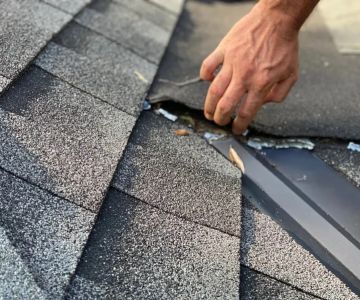

 Ab-Tec roofing & Home Improvement4.0 (33 reviews)
 New Look Masonry & Construction0.0 (0 reviews)
 Owens Corning Certified Roofing Installations0.0 (0 reviews)
 Somerville Roofing Solutions3.0 (9 reviews)
 Castle slate roofing co.4.0 (13 reviews)
 FRS Roofing + Gutters - Watertown Roofing0.0 (0 reviews)
 Roof Ventilation Review: Intake, Exhaust, and Blocked Paths
 Roof Noise After Repair: Weather, Timing, and Contractor Notes
 Roof Work-Zone Plan: Children, Pets, Dust, and Access
 Roof Completion Check: A Practical US Checklist
 Roof Material Storage: Cover, Support, and Site Access
 Roof Repair Photo Handoff: Areas, Dates, and Completion