
- average-roof-replacement-cost-2026
- factors-affecting-roof-replacement-prices
- roof-replacement-cost-by-state
- roofing-material-cost-comparison
- labor-permits-and-hidden-roofing-expenses
- real-homeowner-roof-replacement-story
- how-to-save-money-on-a-new-roof
- choosing-the-right-roofing-company
1. What Is the Average Cost of a Full Roof Replacement in the US for 2026?
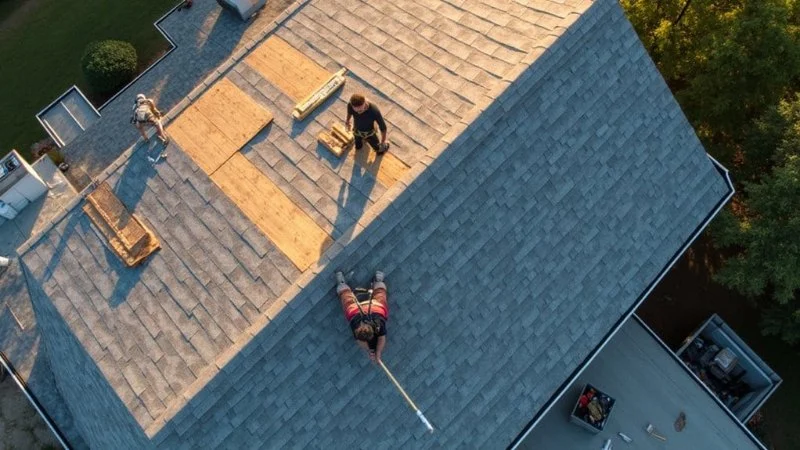
Replacing a roof is one of the biggest investments many homeowners will make. Unlike smaller home repairs, a complete roof replacement affects your home's protection, energy efficiency, property value, and long-term maintenance costs.
For homeowners asking about The Average Cost of a Full Roof Replacement in the US for 2026, the answer depends on several important factors, including roof size, materials, labor rates, location, and the condition of the existing structure.
In 2026, most American homeowners can expect a full roof replacement to typically cost several thousand dollars, with many residential projects falling somewhere between approximately $8,000 and $25,000. However, luxury materials, complex roof designs, and expensive metropolitan areas can push costs significantly higher.
The price difference between states can be surprising. A homeowner in a rural Midwest town may receive a much different estimate than someone replacing the same size roof in California, Florida, or New York.

1.1 Why Roof Replacement Costs Continue to Change
The roofing industry has experienced several cost changes in recent years. Material prices, transportation expenses, insurance requirements, and skilled labor shortages all influence what homeowners pay.
Another important factor is climate. Roofs in areas affected by hurricanes, heavy snow, extreme heat, or frequent storms often require stronger materials and additional installation methods.
Roof Rescue Southern Westchester LLC
New RochelleWestchester CountyNew York
1 Sylvan Pl, New Rochelle, NY 10801, USA
1.2 Replacement vs Repair: Understanding the Difference
Many homeowners struggle with deciding whether to repair their existing roof or replace it completely. A small leak or damaged shingle does not always require a new roof.
However, replacement is often the better long-term choice when:
- The roof is approaching the end of its expected lifespan
- There are repeated leaks
- Large sections have storm damage
- Roof decking or structural areas are damaged
- Repair costs continue increasing
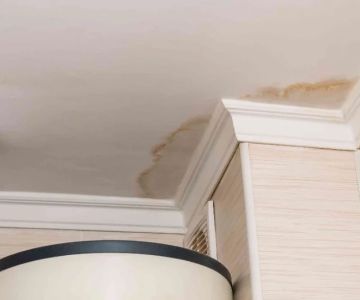
Choosing replacement at the right time can prevent more expensive interior damage, including mold, insulation problems, and ceiling repairs.
2. Main Factors That Influence Residential Roof Replacement Costs
There is no single price tag for every roofing project. Two homes with identical square footage can have very different replacement costs because every roof has unique requirements.
2.1 Roof Size and Square Footage
The size of the roof is one of the biggest cost factors. Roofing contractors usually measure projects in “squares,” where one roofing square equals 100 square feet of roof area.
A larger home requires more:
- Roofing materials
- Underlayment
- Fasteners
- Labor hours
- Disposal services
For example, replacing a simple single-story ranch home will usually cost less than replacing a large two-story home with multiple roof sections.
2.2 Roof Pitch and Design Complexity
A steep roof requires more safety equipment, additional labor time, and specialized installation techniques.
Complex roof designs with:
- Multiple slopes
- Skylights
- Chimneys
- Valleys
- Dormers
typically increase project costs because they require more precise workmanship.
2.3 Existing Roof Removal
Some homeowners assume the new roof can simply be installed over the old one. While this is possible in limited situations, many professional contractors recommend removing the existing roofing materials first.
Roof tear-off costs include removing old shingles, inspecting the roof deck, hauling away debris, and preparing the surface for installation.
This step provides an opportunity to discover hidden problems before they become expensive repairs.
3. Roof Replacement Cost Differences Across US States
One of the most important parts of understanding roof replacement cost by state is recognizing that local conditions greatly affect pricing.
Labor costs, weather risks, building codes, and material availability vary throughout the country. A roofing estimate in one state may not accurately represent prices elsewhere.
3.1 Higher-Cost Roofing Markets
States with higher housing costs and more expensive labor markets often have higher roof replacement prices.
Examples include:
- California
- New York
- New Jersey
- Washington
- Massachusetts
In these areas, homeowners may pay more because contractor operating costs, insurance requirements, and local regulations are higher.
3.2 Storm-Prone States and Additional Requirements
States such as Florida, Texas, and parts of the Gulf Coast often experience severe weather conditions. Strong winds, hurricanes, and hailstorms influence roofing choices.
Homeowners in these regions may need:
- Impact-resistant shingles
- Stronger fastening systems
- Enhanced waterproofing
- Higher-grade underlayment
Although these upgrades increase upfront costs, they can provide better protection during extreme weather.
3.3 Lower-Cost Roofing Markets
Some areas in the Midwest and South may have lower average roofing prices due to reduced labor costs and lower operating expenses.
However, homeowners should still focus on contractor quality rather than choosing the cheapest estimate available.
4. How Roofing Materials Affect Your Total Replacement Budget
The material you choose can dramatically change the total cost of a new roof. Each option has different advantages, lifespan expectations, and maintenance requirements.
4.1 Asphalt Shingles
Asphalt shingles remain the most popular roofing choice in the United States because they offer a balance between affordability, appearance, and durability.
Benefits include:
- Lower installation cost
- Wide variety of styles
- Easy availability
- Simple repairs
For many American homeowners, asphalt shingles provide the best value for a standard residential roof replacement.
4.2 Metal Roofing
Metal roofing has become increasingly popular because of its long lifespan and resistance to harsh weather.
Although the initial investment is higher, metal roofs can last significantly longer than traditional shingles and may improve energy efficiency.
4.3 Tile and Premium Roofing Materials
Clay tile, slate, and premium materials create a distinctive appearance and can last for decades when properly installed.
However, these materials require specialized labor and may need additional structural support because of their weight.
5. Additional Costs Homeowners Should Consider
Many homeowners focus only on the price of shingles or roofing materials. However, a complete roof replacement involves many additional expenses.
5.1 Labor Costs
Professional installation represents a significant portion of the total budget. Experienced roofing crews provide more than basic installation; they help ensure proper ventilation, flashing, waterproofing, and long-term performance.
5.2 Permits and Local Building Requirements
Many cities and counties require permits for roof replacement projects. Permit fees vary depending on location and project size.
Professional contractors usually understand local requirements and can help homeowners avoid compliance problems.
5.3 Roof Deck Repairs
Once old roofing materials are removed, contractors may discover damaged plywood or structural issues.
These repairs are often necessary because installing a new roof over damaged decking can create future problems.
5.4 Ventilation and Insulation Improvements
A roof replacement is an opportunity to improve attic ventilation and energy efficiency.
Proper ventilation can help:
- Reduce moisture buildup
- Extend roof lifespan
- Improve indoor comfort
- Lower energy waste
6. A Realistic Roof Replacement Experience From an American Homeowner
A common situation happens when homeowners delay roof replacement because the existing roof appears acceptable from the outside.
For example, a homeowner in the Midwest noticed occasional water stains after heavy storms. The roof looked fine from the ground, so repairs were postponed for several years.
Eventually, a roofing inspection revealed damaged shingles, weakened underlayment, and moisture affecting parts of the roof deck.
Instead of only replacing a few shingles, the homeowner decided on a complete roof replacement. Although the initial investment was higher, the new roof eliminated recurring leaks and improved confidence during severe weather seasons.
This example highlights an important lesson: the cheapest short-term solution is not always the most affordable long-term decision.
7. Smart Ways to Reduce Roof Replacement Costs
7.1 Schedule Your Project Early
Emergency roof replacements usually cost more because homeowners have fewer options. Planning ahead allows you to compare contractors and choose better timing.
7.2 Compare Multiple Professional Estimates
Getting several detailed quotes helps you understand local pricing and identify unusual estimates.
A trustworthy estimate should clearly explain:
- Materials included
- Labor costs
- Warranty details
- Timeline expectations
- Potential additional repairs
7.3 Choose Value Instead of the Lowest Price
A low-cost roof installation may become expensive if poor workmanship leads to leaks or premature failure.
Quality materials and experienced installers often provide better value over the lifetime of the roof.
8. Choosing the Right Roofing Partner for Your 2026 Project
A roof replacement is not just a construction project; it is an investment in your home's safety and future value.
8.1 Look for Experience and Professional Standards
Reliable roofing companies should provide clear communication, detailed estimates, and professional installation practices.
Homeowners should consider:
- Company experience
- Customer reviews
- Material options
- Warranty coverage
- Local knowledge
8.2 Planning Your Roof Replacement With Confidence
Understanding The Average Cost of a Full Roof Replacement in the US for 2026 helps homeowners make better financial decisions. Prices vary by state, materials, and project conditions, but proper planning can prevent unexpected surprises.
For homeowners looking for reliable roofing guidance, products, and professional solutions, BeachCo Roofing Hub provides resources to help you explore the best options for your roofing project.
Whether you are comparing materials, estimating your budget, or preparing for a complete roof replacement, learning your options today can help you protect your home for many years to come.
 Larosa Construction LLC4.0 (25 reviews)
 Residential Homes Services Inc.5.0 (17 reviews)
 Roofing Solution Inc5.0 (281 reviews)
 Patrick Glynn Roofing LLC5.0 (35 reviews)
 M Stevens Roofing & Remodeling Co.5.0 (23 reviews)
 NY's Finest Roofing & Siding Inc.4.0 (103 reviews)
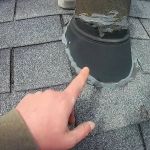 The Most Common Roof Leak Areas: Valleys, Flashing, Boots & Ridge Caps
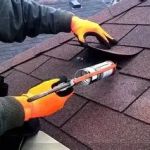 How to Repair a Roof Leak in a Building with a Slate Roof
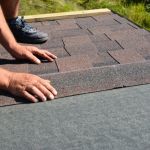 How to Install Roof Shingles on a Low Slope Roof
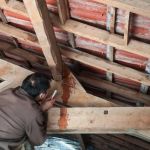 How to Repair a Roof Leak in a Building with a Seamless Metal Roof
 How to Install a Roof Cricket Behind a Complex Wall Intersection: A Detailed Guide
 Best Methods for Cleaning Roof Stains Without Damaging Shingles