- understanding-hurricane-roofing-requirements
- why-roof-material-choice-matters-in-florida
- metal-roofing-for-extreme-weather-protection
- architectural-shingles-for-affordable-storm-resistance
- tile-roofing-for-florida-coastal-homes
- standing-seam-metal-vs-traditional-roofing
- roofing-installation-factors-for-high-wind-areas
- choosing-the-right-roof-for-your-home
Understanding Hurricane Roofing Requirements
Living in Florida or along the Gulf Coast means preparing for some of the most challenging weather conditions in the United States. Strong hurricanes, tropical storms, heavy rainfall, and powerful wind gusts can place enormous pressure on residential and commercial roofing systems. Choosing the right roof is not only about improving curb appeal; it is about protecting your property, belongings, and family during extreme weather events.
Many homeowners ask, “What’s the best roofing material for hurricane and high-wind zones in Florida and the Gulf Coast?” The answer depends on several factors, including wind ratings, installation quality, local building codes, maintenance needs, budget, and the specific location of the property.
A strong hurricane-resistant roof must do more than simply stay attached during a storm. It should resist wind uplift, prevent water intrusion, withstand flying debris impacts, and maintain structural integrity after repeated exposure to harsh coastal conditions.
Roofing Contractors SD & Paving Services
19 E Price St, Linden, NJ 07036, USA
What Makes a Roof Hurricane Resistant?
A hurricane-resistant roofing system combines durable materials with proper engineering. The roofing material itself is important, but the complete system matters just as much.
Key features of storm-resistant roofing include:
- High wind resistance ratings.
- Strong attachment methods between roof materials and the structure.
- Resistance to moisture and corrosion.
- Impact protection from airborne debris.
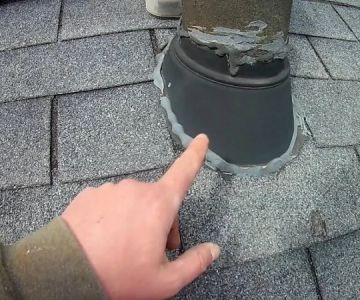
- Proper flashing and waterproofing systems.
A premium roofing material installed incorrectly may perform worse than a mid-range material installed by experienced professionals. This is why homeowners should evaluate both the product and the contractor before making a final decision.
Platinum Roofing and Construction
BinghamtonBroome CountyNew York
176 Dimmick Hill Rd, Binghamton, NY 13905, USA
Why Roof Material Choice Matters in Florida and the Gulf Coast
Florida’s coastal environment creates unique challenges for roofing systems. Salt air, intense sunlight, humidity, and frequent storms can accelerate wear and reduce the lifespan of poor-quality materials.
Unlike homeowners in mild climates, Florida residents must consider how their roofs perform under extreme conditions. A roof that works well in another region may not provide enough protection against hurricane-force winds near the Gulf Coast.
Coastal Weather Challenges
Salt exposure is one of the biggest concerns near beaches and coastal communities. Some materials can corrode or weaken over time if they are not designed for marine environments.
High temperatures also affect roofing performance. Florida roofs experience intense heat for much of the year, which can cause certain materials to expand, contract, fade, or deteriorate faster.
Real-World Storm Lessons
After major hurricanes such as Hurricane Ian in 2022, many Florida homeowners experienced firsthand how roofing quality affects storm damage. Homes with stronger roofing systems often suffered fewer interior water problems compared with properties that had aging or poorly maintained roofs.
These events highlight an important lesson: investing in a durable roof before a storm arrives is usually far less expensive than repairing extensive water and structural damage afterward.
Metal Roofing for Extreme Weather Protection
Metal roofing is often considered one of the best roofing materials for hurricane zones because of its strength, durability, and long service life. Modern metal roofing systems are engineered to handle severe weather while providing energy efficiency benefits.
Advantages of Metal Roofs
High-quality metal roofs can withstand strong winds when properly installed. Many systems are designed to resist wind speeds that exceed typical hurricane conditions.
Additional benefits include:
- Excellent durability compared with many traditional roofing materials.
- Resistance to fire and moisture.
- Long lifespan with proper maintenance.
- Reflective surfaces that can reduce heat absorption.
Metal roofing is especially popular among coastal homeowners because certain coatings can provide additional protection against corrosion caused by salt air.
Types of Metal Roofing
Several metal roofing options are available, including aluminum, steel, and copper systems.
Aluminum roofing is often preferred in coastal areas because it naturally resists rust. Steel roofing provides excellent strength and is commonly used for residential and commercial properties. Copper offers exceptional durability and appearance but usually comes with a higher investment.
When considering metal roofing, homeowners should focus on the quality of the entire system, including fasteners, underlayment, and installation techniques.
Architectural Shingles for Affordable Storm Resistance
Architectural asphalt shingles remain one of the most common roofing choices in Florida because they provide a balance between affordability, appearance, and performance.
Unlike basic three-tab shingles, architectural shingles are thicker and designed with improved durability. Many modern versions include enhanced wind ratings and impact resistance.
Benefits of Modern Shingle Systems
For homeowners looking for reliable protection without the higher cost of premium materials, architectural shingles can be a practical choice.
Their advantages include:
- Lower installation costs compared with metal or tile roofing.
- Wide variety of colors and styles.
- Good resistance against moderate to strong winds.
- Easier repairs when damage occurs.
However, homeowners in areas frequently exposed to major hurricanes should select high-performance shingles with strong wind ratings rather than standard products.
When Shingles May Be the Right Choice
Architectural shingles work well for homeowners who want dependable protection while maintaining a traditional appearance. They are especially suitable for inland Florida areas where hurricane exposure is significant but coastal salt conditions are less severe.
Working with a trusted roofing provider such as BeachCo Roofing Hub can help homeowners compare shingle options based on location, budget, and storm protection needs.
Tile Roofing for Florida Coastal Homes
Tile roofing has long been associated with Florida architecture because of its beauty, durability, and ability to handle hot climates. Concrete and clay tiles can provide excellent performance when installed correctly.
Strength of Tile Roofs
Tile roofs are naturally resistant to heat, sunlight, and moisture. They can last for decades with proper maintenance.
Their heavy weight can also provide advantages in high-wind areas because the roof system is less likely to experience uplift compared with lightweight materials.
Considerations for Tile Installation
Although tile roofing is durable, it requires careful installation. The roof structure must be strong enough to support the additional weight.
Individual tiles can also break when hit by flying debris during severe storms, meaning homeowners should understand repair requirements before choosing this option.
Standing Seam Metal vs Traditional Roofing Options
Among metal roofing choices, standing seam metal systems are often viewed as a premium option for hurricane-prone areas.
Unlike exposed fastener metal roofs, standing seam systems hide the connections beneath raised seams. This design reduces potential weak points where water could enter.
Why Standing Seam Systems Perform Well
Standing seam roofs offer:
- Strong wind resistance.
- Minimal exposed hardware.
- Excellent water management.
- A modern architectural appearance.
For coastal homes where long-term performance is a priority, standing seam metal roofing is often considered one of the strongest available solutions.
Roofing Installation Factors for High Wind Areas
Even the strongest roofing material cannot perform properly without professional installation. Hurricane resistance depends heavily on construction details.
Importance of Roof Fastening
Strong attachment systems help prevent wind from lifting roofing materials during storms. Modern hurricane-resistant construction methods often include improved fastening techniques designed specifically for high-wind regions.
Underlayment and Water Protection
A roof’s outer layer is only one part of protection. Quality underlayment creates an additional barrier against rain intrusion when exterior materials become damaged.
Regular Roof Maintenance
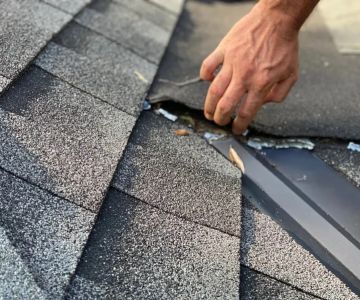
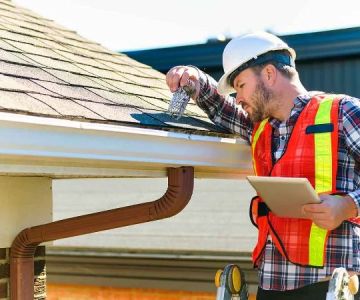
Routine inspections can identify small issues before they become major problems. Loose materials, damaged flashing, clogged drainage systems, and minor leaks should be addressed quickly.
Choosing the Right Roof for Your Home
There is no single roofing material that is perfect for every Florida or Gulf Coast property. The best choice depends on your location, building design, financial goals, and long-term plans.
Questions Homeowners Should Ask
- How frequently does my area experience hurricane conditions?
- Is my home near saltwater exposure?
- How long do I plan to stay in the property?
- What maintenance level am I comfortable with?
- What roofing materials meet local building requirements?
Balancing Cost and Protection
A cheaper roof may save money initially but could result in higher repair costs after severe storms. A more durable roofing system can provide better long-term value by reducing damage risks.
For many Florida and Gulf Coast homeowners, investing in hurricane-resistant roofing is not simply a home improvement decision. It is a long-term protection strategy.
Choosing the best roofing material for hurricane and high-wind zones requires careful consideration of material strength, installation quality, climate conditions, and personal priorities. Whether you choose metal roofing, architectural shingles, or tile, the goal remains the same: creating a safer and more resilient home that can withstand the challenges of coastal weather.
 Westchester Roofing Group4.0 (104 reviews)
 AJ Budget4.0 (11 reviews)
 Advantage Home Exteriors4.0 (98 reviews)
 Sutryk & Son Inc4.0 (78 reviews)
 Doda Brothers Roofing and Chimney5.0 (20 reviews)
 Century Home Renovation4.0 (22 reviews)
 The Cost of Roof Repair After a Hurricane or Major Storm
 How to Winterize Your Roof in Just One Weekend: Simple Checklist
 How to Install a Roof Cricket Behind a Chimney to Divert Water and Prevent Leaks
 What is a Roofing Warranty Transfer and How Does it Work When You Sell?
 How to Water Test Your Roof to Find the Source of a Leak
 Moss and Algae on Roof: Safe Removal Techniques and Prevention Tips