
- prorated-roof-warranties-after-15-years-explained
- how-roof-warranties-work-and-coverage-basics
- meaning-of-prorated-roof-warranty-coverage
- why-roof-warranty-value-changes-after-15-years
- common-limitations-hidden-in-roof-warranties
- real-world-roof-warranty-cost-example
- different-types-of-roof-warranties-explained
- ways-to-protect-your-roof-investment
- choosing-the-right-roofing-information-and-services
- beachco-roofing-hub-roofing-solutions
The Truth About Prorated Roof Warranties: Why You Might Get Almost Nothing After 15 Years
Many homeowners believe a long-term roof warranty means their roof is fully protected for decades. A warranty promising 25, 30, or even 50 years can sound reassuring, especially when replacing a roof is one of the largest investments a homeowner makes. However, the reality behind many roofing warranties is more complicated.
The biggest misunderstanding comes from the difference between full coverage and prorated roof warranties. After a certain period, often around 10 to 15 years, the amount of financial protection provided by the warranty may decrease significantly. In some cases, homeowners discover that their warranty offers only a small fraction of replacement costs when they actually need help.
Understanding The Truth About Prorated Roof Warranties: Why You Might Get Almost Nothing After 15 Years can help homeowners make better decisions before purchasing roofing materials, choosing contractors, or assuming their roof is protected.
A warranty is not the same as insurance. It does not automatically cover every roofing problem, and the fine print often determines whether you receive meaningful financial assistance or only a limited reimbursement.

Coldsmith Roof & Home Impvmnt
GettysburgAdams CountyPennsylvania
134 E Water St, Gettysburg, PA 17325, USA
How Roof Warranties Work and What Coverage Really Means
What Is a Roof Warranty?
A roof warranty is a written agreement that explains what a manufacturer or roofing contractor will cover if certain problems occur. Depending on the warranty type, it may cover defects in roofing materials, installation issues, or specific failures within a defined period.
Many homeowners assume a warranty guarantees a free roof replacement if something goes wrong. However, warranties usually include conditions, exclusions, and coverage limits that determine what expenses are actually paid.
4 Guys Roofing LLC
West ChesterChester CountyPennsylvania
2038 Skiles Blvd, West Chester, PA 19382, USA
Warranty Length Does Not Always Equal Protection Length
A common marketing strategy in the roofing industry is highlighting the total warranty length. For example, a manufacturer may advertise a “30-year roof warranty.”
However, that does not necessarily mean the homeowner receives 30 years of full replacement coverage. The warranty may begin with stronger protection during the first years and gradually reduce benefits through a prorated schedule.
The Difference Between Warranty and Insurance
Homeowners insurance generally protects against unexpected events such as storms, hail damage, or certain accidents. A roof warranty typically focuses on manufacturing defects or workmanship problems.
This difference is extremely important because many roof failures are caused by weather, lack of maintenance, or normal aging, which may not be covered under a warranty.
What Does a Prorated Roof Warranty Mean?
Understanding the Basic Concept
A prorated roof warranty means the coverage amount decreases as the roof gets older. Instead of receiving full replacement assistance, the manufacturer calculates the value based on the remaining expected lifespan of the roofing materials.
For example, imagine a roof product advertised with a 30-year warranty. After 15 years, the warranty may only cover part of the original material cost because half of the expected lifespan has already passed.
Why Companies Use Prorated Coverage
Roofing materials naturally age over time. Manufacturers design prorated warranties because they consider older materials to have reduced remaining value.
From the manufacturer’s perspective, replacing a 20-year-old roof entirely would mean providing compensation for a product that has already delivered many years of service.
Why Homeowners Often Feel Surprised
Many homeowners focus on the warranty number printed in advertisements but overlook the details explaining how coverage changes over time.
The phrase “30-year warranty” creates an expectation of long-term protection, but the actual financial benefit after many years may be much smaller than expected.
Why Roof Warranty Value Changes After 15 Years
The 15-Year Turning Point
For many roofing systems, the first decade represents the period when manufacturers provide the strongest protection. After approximately 10 to 15 years, many warranties shift into prorated coverage.
This transition is why homeowners often experience a major difference between what they expected and what they actually receive.
Aging Roofing Materials
Roofing materials experience constant exposure to sunlight, temperature changes, moisture, wind, and seasonal weather conditions. Even high-quality roofs naturally lose performance over time.
Manufacturers consider this aging process when calculating warranty compensation.
The Rising Cost of Roof Replacement
Another challenge is that roof replacement costs often increase over time due to labor prices, material costs, and construction demand.
A warranty payment based on the original roof value may not reflect the actual cost of installing a new roof years later.
Common Limitations Hidden in Roof Warranties
1. Limited Coverage for Labor Costs
Some warranties cover roofing materials but provide limited assistance for installation labor. Since labor can represent a significant portion of replacement costs, homeowners may still face major expenses.
2. Maintenance Requirements
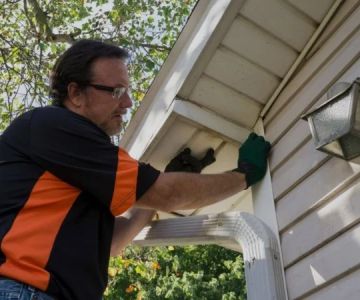
Many roof warranties require regular maintenance. Failure to clean gutters, remove debris, address minor damage, or schedule inspections may affect eligibility.
A homeowner who ignores small problems may unintentionally reduce warranty protection.
3. Weather Damage Exclusions
Storms, hurricanes, hail, and falling trees are often excluded because they are considered external events rather than product defects.
This is one reason homeowners should understand the difference between warranty protection and insurance coverage.
4. Installation Conditions
Some manufacturer warranties only apply if approved installation methods were followed. Improper installation can result in denied claims even if the roofing materials themselves have problems.
A Real-World Roof Warranty Cost Example
A Homeowner’s Unexpected Discovery
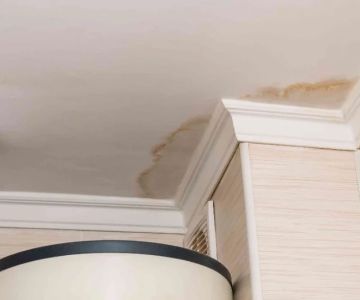
Consider a homeowner who installed a new roof with a 30-year warranty. The roof performs well for more than a decade, but after 16 years, leaks begin appearing.
The homeowner assumes the warranty will cover replacement because the advertised lifespan has not ended. After reviewing the warranty documents, they discover the coverage is now prorated.
Instead of receiving assistance for the entire replacement, the homeowner may only receive compensation based on the remaining value of the roofing materials.
Why the Final Payment May Feel Small
If the roof originally cost $10,000 but replacement costs have increased to $18,000, a prorated warranty payment may cover only a limited portion of the current expense.
This situation explains why some homeowners say they received “almost nothing” after 15 years. The warranty technically provided coverage, but the financial impact was much smaller than expected.
Different Types of Roof Warranties Explained
Manufacturer Material Warranty
A manufacturer warranty protects against defects in roofing materials. If shingles or roofing products fail due to manufacturing problems, this type of warranty may provide assistance.
Contractor Workmanship Warranty
A workmanship warranty covers installation errors caused by the roofing contractor. This protection varies significantly depending on the company.
A skilled contractor may provide stronger workmanship guarantees because they have confidence in their installation process.
Extended Roofing System Warranty
Some manufacturers offer upgraded warranties when homeowners use approved roofing systems, certified contractors, and specific combinations of products.
These enhanced warranties may provide better protection but often include additional requirements.
Ways to Protect Your Roof Investment
Read the Warranty Before Signing
Many homeowners review warranty information only after a problem occurs. A better approach is understanding the coverage before installation begins.
Pay attention to:
- Proration schedules
- Coverage periods
- Exclusions
- Maintenance requirements
- Transfer rules when selling the home
Schedule Regular Roof Inspections
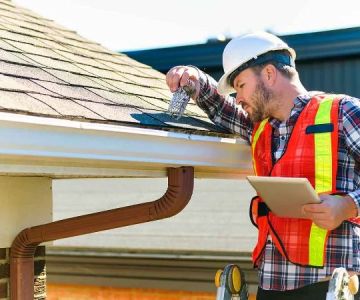
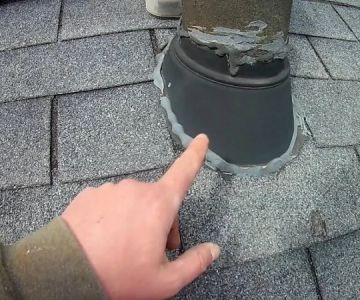
Routine inspections can identify small issues before they become expensive problems. Catching damaged shingles, flashing problems, or moisture issues early can extend roof performance.
Keep Documentation
Save contracts, receipts, inspection reports, and maintenance records. Proper documentation can make warranty claims easier if a legitimate issue occurs.
Choose Quality Materials and Installation
A warranty should not be the only reason for choosing a roofing system. Material quality, installation expertise, and ongoing maintenance play major roles in roof performance.
Choosing the Right Roofing Information and Services
Look Beyond Warranty Numbers
A longer warranty does not automatically mean better protection. Homeowners should compare the actual terms rather than focusing only on the number of years advertised.
Ask Detailed Questions
Before choosing roofing products or contractors, ask:
- Is the warranty full or prorated?
- When does prorated coverage begin?
- Are labor costs included?
- What maintenance is required?
- Who handles warranty claims?
These questions help prevent unpleasant surprises years later.
Explore Roofing Guidance with BeachCo Roofing Hub
Understanding roofing warranties can feel overwhelming because the details are often technical and filled with industry-specific language. BeachCo Roofing Hub provides helpful roofing information, recommendations, and resources designed to help homeowners make more informed decisions.
Whether you are researching a new roof, comparing warranty options, or trying to understand long-term maintenance needs, BeachCo Roofing Hub can help you better understand what to look for before making an important investment.
A roof is more than a construction material. It protects your home, belongings, and family. Knowing how warranties work allows you to choose protection that matches your expectations rather than relying on assumptions.
Frequently Asked Questions About Prorated Roof Warranties
Does a 30-year roof warranty mean my roof will be replaced for free after 30 years?
No. Many 30-year warranties include prorated coverage after a certain period. The amount of financial assistance may decrease as the roof ages.
Why do homeowners receive less warranty coverage after 15 years?
Many warranties reduce coverage after the initial protection period because roofing materials are considered to have less remaining value as they age.
Are roof leaks always covered by a warranty?
No. Coverage depends on the cause of the leak. Manufacturing defects may be covered, while weather damage, poor maintenance, or installation issues may not be included.
How can I get the most value from my roof warranty?
Understand the warranty terms, maintain your roof regularly, keep documentation, and choose qualified roofing professionals.
 Bonner Master Roofing5.0 (16 reviews)
 Multi Roofing System Inc4.0 (18 reviews)
 Eastbound commercial roofing3.0 (24 reviews)
 Romero Roofing & Siding LLC4.0 (87 reviews)
 N.V. & Roman Commercial Roofing Brooklyn5.0 (116 reviews)
 Manoly Remodeling & Roofing llc4.0 (4 reviews)
 How to Identify and Repair Roof Damage from Air Pollution
 How to Prevent Roof Damage from Improper Foot Traffic
 How to Choose a Roofing Contractor That Uses Synthetic Underlayment
 How to Install Roof Heat Cable in Gutters and Downspouts for Winter Protection
 The Most Common Roof Leak Areas: Valleys, Flashing, Boots & Ridge Caps
 How to Install a Roof Vent for a High-Temperature Industrial Process