
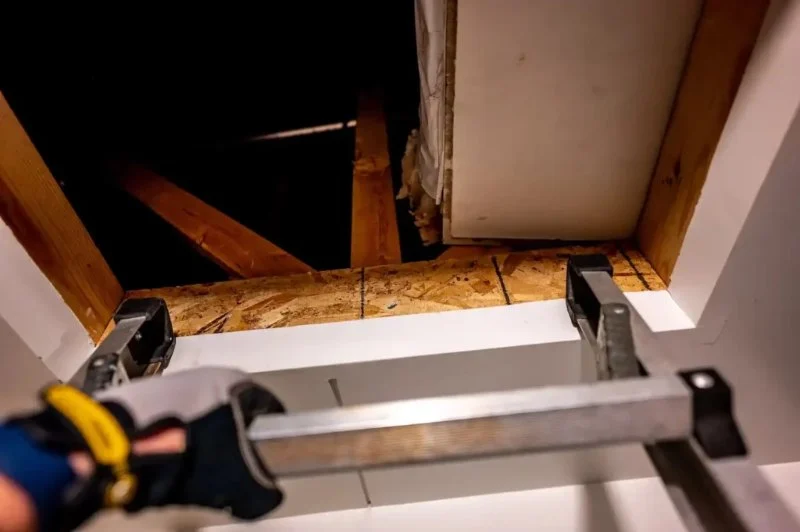
Emergency Steps to Stop a Roof Leak From Inside Your Attic Before Repairs Begin
- temporary-roof-repair-basics - Understanding What To Do When Your Roof Starts Leaking
- find-attic-leak-source - How To Locate The Source Of Water Inside Your Attic
- temporary-inside-attic-repair - Step-by-Step Temporary Roof Repair From Inside Your Attic
- materials-for-emergency-roof-repair - Supplies That Help Control Roof Leaks Quickly
- avoid-attic-repair-mistakes - Common Mistakes Homeowners Make During Emergency Repairs
- protect-home-water-damage - Preventing Further Damage While Waiting For Roofing Help
- professional-roof-repair-needed - Knowing When Temporary Fixes Are Not Enough
Understanding What To Do When Your Roof Starts Leaking
A roof leak is one of the most stressful problems a homeowner can experience. The sound of dripping water during a storm, the appearance of a wet ceiling spot, or discovering moisture inside your attic can create immediate concern about expensive damage. While a permanent roof repair should always be completed by a qualified roofing professional, there are situations where homeowners need a short-term solution to reduce damage until help arrives.
A temporary roof repair from inside your attic can help slow down water intrusion and protect your home’s interior during an emergency. This approach does not replace professional repairs, but it can provide valuable protection when weather conditions, scheduling delays, or safety concerns prevent immediate exterior repairs.
Many homeowners discover roof leaks at inconvenient times, such as during overnight storms, weekends, or holidays. In these situations, knowing how to respond calmly and safely can make a major difference. The goal is not to completely rebuild the roof from inside the attic but to control the water flow, reduce moisture damage, and create a safer environment until professional assistance becomes available.

Diamond Roofing Specialists, Inc.
WaterburyNaugatuck Valley Planning RegionConnecticut
99 Brookside Rd, Waterbury, CT 06708, USA
Why Immediate Action Matters After Discovering A Roof Leak
Water damage often spreads faster than homeowners expect. A small roof opening can allow rainwater to travel along rafters, insulation, electrical wiring paths, and ceiling materials before becoming visible. The location where water appears inside the home is not always directly below the actual roof problem.
For example, a homeowner may notice a water stain above a bedroom ceiling and assume the roof damage is directly above that area. However, water may have entered several feet away and traveled along wooden framing before dripping down. This is why attic inspection is often an important first step when attempting a temporary roof leak solution.
Quick action can help prevent:
- Damaged drywall and ceiling materials
- Mold growth caused by trapped moisture
- Wet insulation losing its effectiveness
- Electrical hazards from water exposure
- Additional structural damage
How To Locate The Source Of Water Inside Your Attic
Before attempting any temporary roof repair from inside your attic, you need to identify where the water is entering. Finding the source can be challenging because roofs contain multiple layers, including shingles, underlayment, decking, flashing, and ventilation components.

Jay's Roofing And Siding
DoylestownBucks CountyPennsylvania
111 N Broad St #306, Doylestown, PA 18901, USA
Inspect The Attic During Safe Conditions
Safety should always come first. Avoid entering the attic during severe storms, strong winds, or unsafe conditions. Wet surfaces, poor visibility, and electrical hazards can create dangerous situations.
If conditions are safe, use a flashlight to inspect the attic area. Look for signs such as:
- Wet roof decking
- Dark water stains on wood
- Dripping water from framing members
- Damp insulation
- Water trails along rafters
Fresh leaks are often easier to locate because active water movement leaves visible paths. Older stains may indicate previous moisture problems that are no longer active.
Follow Water Movement Instead Of Ceiling Damage
One common mistake homeowners make is focusing only on the ceiling stain below. The visible damage inside the house may be several feet away from the actual roof entry point.
Imagine a storm causing a small opening near a roof vent. Water enters, runs down the sloped roof decking, and eventually drips from a lower point inside the attic. Repairing the area directly above the ceiling stain would not solve the original problem.
A careful inspection helps determine whether the temporary solution should focus on redirecting water, containing dripping, or limiting additional moisture exposure.
Step-by-Step Temporary Roof Repair From Inside Your Attic
A temporary roof repair from inside your attic is mainly designed to manage water until permanent repairs can be completed. The following steps focus on controlling the leak rather than creating a long-term roofing solution.
1. Protect Yourself And Prepare The Area
Before handling the leak, wear appropriate protective equipment. Gloves, eye protection, and a stable working surface are important because attics often contain insulation fibers, nails, sharp materials, and limited walking areas.
Place containers under active drips to collect water and prevent it from spreading throughout the attic. Protect nearby insulation and stored belongings by moving them away from the affected area.
2. Create A Temporary Water Collection Path
One effective emergency technique is creating a controlled path for dripping water. Instead of allowing water to spread across insulation or wood surfaces, homeowners can guide the flow toward a container.
A piece of plastic sheeting or similar waterproof material can sometimes be positioned to direct water downward. The idea is to manage where the water goes until the roof can be properly repaired.
3. Apply Temporary Covering To Limit Moisture Spread
Depending on the location and accessibility of the leak, a waterproof covering may help reduce immediate moisture exposure. This should be considered a temporary measure only.
Homeowners should avoid making permanent modifications from inside the attic because incorrect repairs can trap moisture or hide ongoing damage. A temporary barrier should make the situation safer, not prevent future professional inspection.
4. Monitor The Leak During Rainfall
After applying a temporary solution, continue monitoring the area. A roof leak can change direction as rainfall intensity increases, so a repair that controls a small drip may not handle heavy storm conditions.
Take photos of the affected area if possible. These records can help roofing professionals understand what happened and identify potential causes more efficiently.
Supplies That Help Control Roof Leaks Quickly
Having basic emergency repair supplies available can help homeowners respond faster when unexpected roof problems occur. Many roof leaks happen during severe weather when stores may be closed or professional services may have longer response times.
Useful Temporary Repair Supplies
- Heavy-duty plastic sheeting
- Water collection containers
- Absorbent towels or materials
- Flashlight with extra batteries
- Protective gloves
- Safety glasses
- Moisture meter for detecting damp areas
These items are not replacements for professional roofing materials. Their purpose is to help control damage while waiting for proper repairs.
Why Emergency Supplies Are Worth Preparing
Many homeowners only think about roof problems after damage has already occurred. Preparing a small emergency kit can save valuable time during stressful situations.
For homeowners who want guidance on roofing maintenance, repair planning, and protection strategies, BeachCo Roofing Hub provides helpful roofing information and solutions designed to support homeowners during unexpected roofing challenges.
Common Mistakes Homeowners Make During Emergency Repairs
When dealing with a leaking roof, it is understandable that homeowners want to fix the problem immediately. However, rushing into the wrong repair method can sometimes create additional problems.
Ignoring Safety Risks
Attics can be hazardous areas. Wet surfaces, exposed wiring, unstable boards, and poor ventilation can increase the risk of injury. Never enter an attic if conditions are unsafe.
Using Materials That Trap Moisture
A temporary repair should control water, not lock moisture inside building materials. Covering wet insulation or damaged wood without allowing proper drying can contribute to mold and deterioration.
Assuming A Temporary Fix Solves The Roof Problem
A temporary roof repair from inside your attic is only a short-term measure. Roof leaks usually indicate an underlying issue involving shingles, flashing, roof penetrations, ventilation, or structural components.
Delaying professional evaluation after a temporary repair may allow hidden damage to continue developing.


 Joe Fisher & Sons Roofing4.0 (15 reviews)
 Dave Miner Exterior Home Improvements4.0 (48 reviews)
 ROOF SIDING5.0 (1 reviews)
 FastPro Roofing5.0 (3 reviews)
 Dynamic Exteriors llc5.0 (2 reviews)
 Pinnacle Roofing5.0 (1 reviews)
 The Average Cost of a Roof Coating Application
 What is a Roofing Project Quality Control Checklist? Ensuring Standards
 What Is a Roofing Workmanship Guarantee and How Long Should It Last
 How to Choose a Roofing Material for a Building with a Unique Architectural Feature
 The Best Roofing Materials for a Barndominium or Pole Barn
 How to Identify and Repair Roof Damage from Soot and Industrial Fallout