
- eligibility_overview-historic_roof_tax_credits-how_to_qualify_for_incentives
- cost_savings_breakdown-roof_replacement_tax_credit-financial_benefits_analysis
- period_appropriate_materials-historic_preservation_roofing-material_selection_guidance
- real_homeowner_case-study-roof_restoration_success-story
- application_process_tips-documentation_and_tax_filing_guidance
- expert_insights_beachco_roofing_hub-roofing_advice_and_planning_support
Understanding Financial Incentives for Restoring Historic Roofs
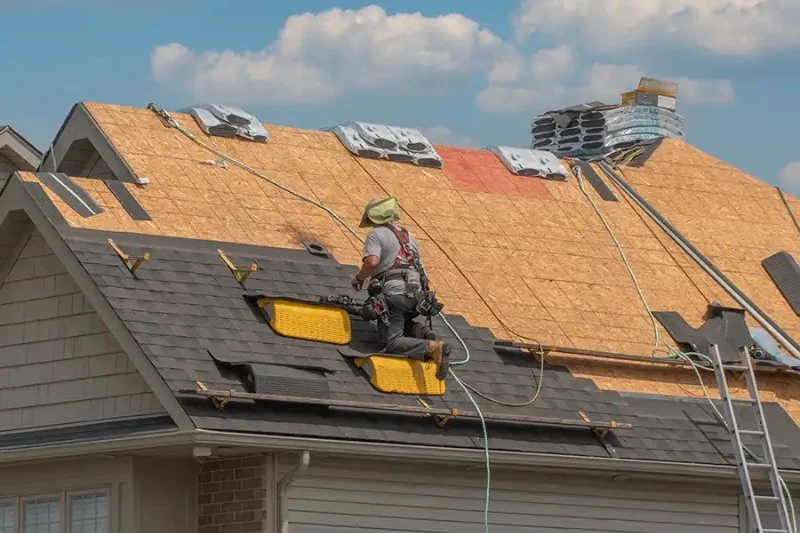
Historic homes across the United States carry architectural charm that cannot be replicated in modern construction. However, maintaining or replacing a roof on these properties often comes with significantly higher costs due to strict preservation standards and specialized materials. This is where historic roof tax credits and preservation incentives become essential tools for homeowners.
These financial programs are designed to encourage the restoration and preservation of historically significant buildings rather than replacing them with modern alternatives that may disrupt architectural integrity. When applied correctly, they can significantly reduce the overall cost burden of a period-appropriate roof replacement while preserving the home’s original character.
In many states, homeowners can combine federal-level historic rehabilitation incentives with local preservation grants or tax relief programs. Understanding how these layers of support interact is key to maximizing savings without compromising on authenticity or quality.

How Historic Roof Tax Credits Actually Work in Practice
The concept behind historic roof tax credits is relatively straightforward: if your property qualifies as historically significant, you may receive a percentage of eligible renovation costs back in the form of tax reductions or credits. These credits are not automatic and require careful documentation, approval from preservation authorities, and adherence to strict renovation guidelines.
Typically, eligibility depends on whether the property is listed on a national or state historic register or located within a designated historic district. The roof replacement must also follow approved restoration guidelines, often requiring materials that match the original construction period.
For example, replacing a modern asphalt roof on a Victorian-era home might require slate, wood shingles, or historically accurate synthetic alternatives. While these materials increase upfront costs, tax credits help offset the difference, making the restoration financially viable.

Curtis Golden Star Home Improvement
EnglewoodBergen CountyNew Jersey
343 Howland Ave, Englewood, NJ 07631, USA
Cost Savings Breakdown: Why Roof Tax Incentives Matter
Roof replacement on historic properties is not just a construction project—it is an investment in cultural preservation. The average cost of a standard roof replacement in the U.S. can range widely, but historic projects often exceed typical budgets due to specialized labor and materials.
Tax incentives can reduce these expenses in meaningful ways. Depending on the program and jurisdiction, homeowners may recover a portion of qualified rehabilitation expenses, sometimes reaching double-digit percentage savings when combined with additional state-level programs.
Beyond direct tax credits, indirect savings also play a role. Properly restored roofs improve property value, reduce long-term maintenance costs, and enhance energy efficiency when modern insulation is integrated beneath historically accurate materials.
In many cases, homeowners discover that the long-term financial benefits outweigh the initial investment, especially when working with experienced restoration professionals familiar with compliance requirements.
Choosing Period-Appropriate Roofing Materials Without Overspending
One of the most challenging aspects of historic roof replacement is selecting materials that satisfy preservation rules while remaining cost-effective. Authentic materials such as natural slate or cedar shakes can be expensive and require skilled installation, but modern manufacturing has introduced alternatives that replicate historic aesthetics at lower costs.
Preservation committees often allow synthetic slate or composite shingles if they closely match the original appearance. This flexibility allows homeowners to balance authenticity with affordability while still qualifying for incentives.
Working with specialists is crucial here. Companies familiar with historic guidelines can recommend materials that meet approval standards while keeping the project within budget constraints. Platforms like BeachCo Roofing Hub often help homeowners explore material options and connect with contractors experienced in heritage roofing projects.
Real Homeowner Case: Restoring a 1920s Colonial Roof
A homeowner in Pennsylvania recently faced the challenge of replacing a deteriorating roof on a 1920s Colonial Revival home. The original cedar shake roof had suffered extensive weather damage, and local preservation rules required that any replacement maintain the home’s historical character.
Initially, the estimated cost for full cedar shake replacement was significantly higher than a standard asphalt roof. However, after consulting with a preservation advisor, the homeowner learned about available historic roof tax credits and a state-level rehabilitation incentive program.
By switching to a certified composite shake material approved for historic districts, the homeowner reduced upfront costs while maintaining visual authenticity. Combined incentives ultimately offset a substantial portion of the project cost, making the restoration financially manageable.
This case illustrates how informed decision-making and proper planning can transform what initially appears to be an expensive obligation into a smart long-term investment.
Application Process and Documentation Strategy
Applying for historic roof tax credits requires careful attention to documentation. Homeowners must typically provide proof of historic designation, detailed project plans, contractor specifications, and before-and-after documentation of the roof structure.
Approval processes often involve local historic preservation boards, which evaluate whether proposed materials and methods align with preservation standards. This step is critical because non-compliant work may disqualify the project from receiving tax benefits.
Tax filing also plays an important role. Eligible expenses must be clearly itemized and supported by receipts and contractor invoices. Many homeowners find it helpful to work with professionals who understand both construction and tax documentation requirements to avoid errors that could delay or reduce credits.
Common Mistakes Homeowners Make During Historic Roof Replacement
One of the most frequent mistakes is underestimating the importance of pre-approval. Starting work without authorization from preservation authorities can lead to disqualification from tax incentives, even if the finished roof meets aesthetic requirements.
Another common issue is choosing materials based solely on cost without considering compliance guidelines. While cheaper options may appear attractive initially, they can result in expensive revisions if they are rejected during inspection stages.
Homeowners also sometimes fail to properly document the condition of the original roof before replacement begins. This documentation is often required to validate eligibility for historic roof tax credits and should be prepared in advance.
Expert Guidance for Maximizing Roofing Incentives
Professionals in the roofing and preservation industry emphasize the importance of early planning. The most successful historic roof projects begin with a comprehensive evaluation of both structural needs and financial opportunities.
Experienced contractors recommend integrating tax strategy discussions into the planning phase rather than treating them as an afterthought. This ensures that material selection, labor planning, and compliance requirements are aligned from the beginning.
Resources like BeachCo Roofing Hub can help homeowners identify qualified contractors and understand which roofing systems are most likely to qualify for incentive programs. This guidance is especially valuable for first-time historic property owners navigating complex regulations.
Long-Term Value of Investing in Historic Roof Restoration
Beyond immediate financial incentives, restoring a historic roof contributes to long-term property appreciation and cultural preservation. Homes with well-maintained period-appropriate roofs often stand out in real estate markets, attracting buyers who value authenticity and craftsmanship.
Additionally, modern restoration techniques allow homeowners to incorporate improved insulation and ventilation systems beneath traditional materials, enhancing energy efficiency without compromising historical appearance.
Over time, this combination of aesthetic preservation and functional improvement creates a unique balance between heritage and modern living standards.
Ultimately, historic roof tax credits are not just about saving money—they represent an opportunity to preserve architectural history while making financially informed renovation decisions.


 Daniels roofing - Bronx5.0 (1 reviews)
 Hernandez & Sons Roofing4.0 (51 reviews)
 Dunbar Roofing & Siding Co4.0 (31 reviews)
 Tucek and Sons, Inc.4.0 (28 reviews)
 Caguana Construction Inc.4.0 (52 reviews)
 Patrick Glynn Roofing LLC5.0 (35 reviews)
 How to Install a Roof Underlayment for a Tile Roof: Step-by-Step Guide
 Roof Wind Uplift Ratings Explained for Hurricane Zone Safety
 How Agricultural Chemicals Affect the Lifespan of Your Roof
 Roof Aging Signs You Should Never Ignore: Bald Spots, Sagging, and Excessive Granules in Gutters
 What is a Roofing Arbitration Clause in a Contract? Understanding Its Importance
 How to Prevent Roof Damage from Wind-Driven Rain