

Temporary Roof Cover: Scope, Checks, and Safe Removal
On this page
Quick answer
A temporary roof cover can reduce water entry until permanent repair, but it is not a finished roof. Keep people off the roof, ask a qualified contractor to identify the damaged area and attachment method, document the installation, and set inspection and removal dates. Recheck indoors and from the ground after wind or rain, then report changes promptly.

Ab-Tec roofing & Home Improvement
DracutMiddlesex CountyMassachusetts
48 Stone St, Dracut, MA 01826, USA
Know what temporary protection can do
Temporary roof protection is a short-term system intended to limit exposure while materials, insurance decisions, weather, or repair scheduling are pending. It may use a fitted membrane, tarp, shrink-wrap system, or another contractor-selected method.
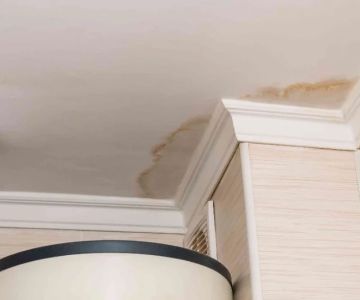
It cannot restore damaged decking, flashing, ventilation, structure, or insulation. Water may also travel from a source that is not directly above the indoor stain. Treat reduced dripping as evidence that conditions changed—not proof that the roof is repaired.
New Look Masonry & Construction
SomervilleMiddlesex CountyMassachusetts
240 Elm St 2nd & 3rd floor, Somerville, MA 02144, USA
Request an on-site assessment
- Describe active leaks, storm timing, visible debris, and any ceiling sagging.
- Keep people away from fallen lines, loose materials, wet ceilings, and damaged areas.
- Ask the contractor to inspect access, slope, surface condition, edges, penetrations, and the likely water path.
- Confirm whether structural, electrical, tree, or emergency services are needed first.
- Document interior conditions without climbing or entering an unsafe attic.
Do not climb onto a wet, icy, storm-damaged, steep, or unfamiliar roof. Ground ladders, makeshift anchors, and loose tarps create fall and wind hazards. Emergency interior water collection should not place containers under a sagging ceiling or near energized equipment.
Define the installation scope
Ask for a written description of the covered area, material, attachment method, edge treatment, expected service period, inspection responsibility, and conditions that require a return visit. Confirm how the method will avoid unnecessary damage to sound roofing and how penetrations will be addressed during permanent repair.
Discuss wind exposure, drainage, ponding, gutters, chimneys, vents, solar equipment, and neighboring property. A cover should not redirect water into another vulnerable area or block a required exhaust or intake. Product and roof-system instructions matter.
Monitor from the ground and indoors
- Photograph the completed installation from safe public or property-level viewpoints.
- Record the date, contractor, covered area, and planned check date.
- After weather, look from the ground for lifted edges, flapping, displaced weights, new debris, or changed drainage.
- Indoors, note new stains, dripping, odors, damp materials, or ceiling movement.
- Call the contractor rather than attempting an elevated adjustment.
Do not pull a loose sheet from the ground if it is attached to the roof or entangled with utilities. Secure the area below and obtain professional help.
Plan repair and removal
Set the permanent-repair path when the cover is installed. Identify who will remove and dispose of the temporary material, inspect concealed damage, restore underlayment and roof components, and provide completion records.
A temporary cover left beyond its intended period can age, loosen, hide worsening damage, or complicate drainage. Confirm the deadline and arrange follow-up rather than relying on an open-ended promise.
Important safety limits
This general U.S. homeowner guide does not specify an attachment method or authorize roof access. Roof type, slope, structure, weather, codes, insurance requirements, and manufacturer warranties affect the correct approach. Use a qualified, insured contractor and follow local emergency instructions.
Leave the building and contact emergency services when there is structural movement, collapse risk, fire, sparking, a gas odor, or another immediate hazard. Water and electricity require particular caution.
Frequently asked questions
Can I install a tarp myself?
Roof work can be fatal, especially after a storm. Do not climb if conditions or training are unsuitable; professional installation is the safer default.
How long can temporary protection stay?
There is no universal period. The material, attachment, weather, roof, and contractor instructions control. Set a written inspection and removal date.
Should the cover include the whole roof?
Not necessarily. The contractor should trace likely water paths and define enough coverage for the condition, rather than guessing from an indoor stain.
What if an edge starts lifting?
Keep people away from the area and contact the installer. Do not climb or pull on material that may release suddenly.
Sources and evidence notes
The guidance follows broad roofing and work-at-height safety principles: control access, assess substrate and weather, define attachment and drainage, monitor temporary systems, and replace them with permanent repair. Site-specific design belongs to a qualified contractor.
Next steps
Protect the indoor area without entering a hazard zone, photograph conditions from safe locations, and call a qualified roofing contractor. Get the temporary scope, monitoring trigger, and removal date in writing. After each weather event, check from the ground and indoors and report any change.



 Ab-Tec roofing & Home Improvement4.0 (33 reviews)
 New Look Masonry & Construction0.0 (0 reviews)
 Owens Corning Certified Roofing Installations0.0 (0 reviews)
 Somerville Roofing Solutions3.0 (9 reviews)
 Castle slate roofing co.4.0 (13 reviews)
 FRS Roofing + Gutters - Watertown Roofing0.0 (0 reviews)
 Gutters During Roof Repair: Protect, Refit, and Test
 Temporary Roof Cover: Scope, Checks, and Safe Removal
 Roof Repair With Solar Panels: Assign Every Responsibility
 Roof Repair Pet Plan: Noise, Gates, and Safe Rooms
 Roof Completion Check: Test, Photograph, and File Records
 Roof Maintenance Reminder: Use Condition and Instructions