Drone Roof Inspection: Confirm Scope, Privacy, Weather, and Limits
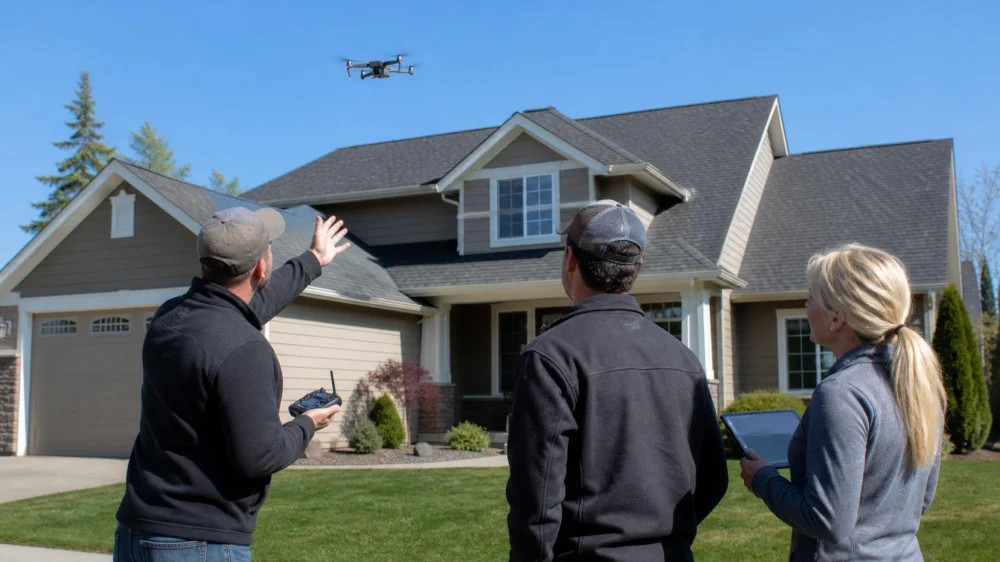
A drone can photograph roof areas that are difficult to view from the ground, but an aerial image is not the same as a complete roof diagnosis. Flight rules, weather, privacy, operator qualifications, image ownership, and the need for hands-on or attic inspection all matter. Homeowners should define the service before the aircraft launches.
Define the Purpose
State whether the flight documents storm damage, maps a leak area, supports an estimate, checks a completed repair, or creates measurements. Each goal needs different images and timing. A general marketing video may not show shingle edges, flashing, penetrations, drainage, or elevations clearly enough for repair decisions. Put the target areas and deliverables in writing.
Verify the Operator
Ask who will fly, what authorization and training apply, and whether insurance covers drone operations and property damage. In the United States, commercial operations may be subject to federal aviation requirements as well as local restrictions. Do not assume a roofing license alone establishes flight qualification. Confirm who controls the flight and who interprets the roof condition.
Confirm Property and Airspace
Give the correct address and mark property boundaries, overhead wires, trees, antennas, construction cranes, and nearby public areas. Airports, emergency activity, temporary restrictions, and local rules can affect the flight. The operator should assess airspace and launch location. A homeowner should not pressure the pilot to fly after they identify an unsafe or prohibited condition.
Set Weather Limits
Wind, rain, snow, fog, glare, low light, and extreme temperature can reduce flight safety and image quality. Agree on cancellation and rescheduling terms. Wet or icy roofing may also change what evidence means. Ask the operator to record date, time, weather, and direction of views so later contractors can interpret images in context.
Protect Privacy
Discuss camera direction, neighbouring windows and yards, people, license plates, and audio before launch. Notify neighbours when appropriate without implying they must grant access to your property. Do not request surveillance beyond the project. Ask how incidental private material will be cropped, blurred, stored, and deleted under applicable law and company policy.
Specify What Is Captured
Request overview images of every elevation and close views of relevant slopes, ridges, valleys, edges, flashing, vents, chimneys, skylights, gutters, and repair areas when flight conditions allow. Include a scale or known reference through approved methods. Keep original files as well as annotated copies. Ensure annotations identify locations instead of covering the underlying detail.
Understand Inspection Limits
A camera may miss loose adhesion, softness, subtle cracks, concealed flashing, fasteners, underlayment, deck damage, attic moisture, or conditions under debris. Thermal or specialized sensors also require correct conditions and interpretation. Ask what the drone cannot determine and whether a qualified roofer, engineer, electrician, or other professional needs controlled physical access.
Require a Useful Report
The report should connect each observation to a roof location and distinguish fact, interpretation, and recommended next step. “Possible lifted edge visible” is clearer than a broad claim that the entire roof failed. Ask for image numbers, orientation, urgency, and limitations. An estimate should separate confirmed scope from allowances that require hands-on verification.
Control the Data
Ask who owns the photos and video, who may access them, where they are stored, how long they remain, and whether they may be used for marketing or artificial-intelligence training. Use secure delivery rather than public links when images show security features. Keep unedited originals, metadata, contract, report, and invoice in the property file.
Plan Follow-Up
Use drone findings to guide, not replace, safe professional investigation. After repair, repeat comparable views when verification is part of the scope. Match orientation and lighting where practical. If images suggest urgent structural, electrical, or falling-debris danger, keep clear of the area and contact appropriate professionals instead of launching a personal drone for another look.
Before launch day, create a communication plan for occupants, tenants, site workers, and pets. Close sensitive window coverings, move people from the launch area, and tell everyone not to approach or distract the pilot. Identify one project contact who can answer property questions without directing the flight. If a neighbour objects or emergency aircraft activity begins, let the operator pause and follow the applicable procedure rather than arguing while the drone is airborne.
For insurance or dispute documentation, ask the responsible professional what preservation and authentication details are needed. Keep original filenames and metadata, avoid editing the only copy, and record who captured and transferred each file. A dramatic aerial photo may support an observation, but it does not by itself establish cause, date of damage, code compliance, or repair cost.
A drone roof inspection is strongest when its question, flight, images, privacy, and limits are defined in advance. Verify the operator, respect weather and airspace decisions, request location-specific evidence, protect files, and plan the hands-on work that aerial images cannot perform.
 Zenith Roofing5.0 (14 reviews)
 Becker Roofing2.0 (20 reviews)
 Marvin Construction Services4.0 (243 reviews)
 Mister Roofing And Chimney Services LLC5.0 (22 reviews)
 Ole macdonald construction3.0 (3 reviews)
 Premier Building Associates4.0 (20 reviews)
 How to Repair a Roof Leak in a Building with a Thatched Roof (Modern Methods)
 How to Install Roof Shingles in High Wind Conditions: Tips for Secure Installation
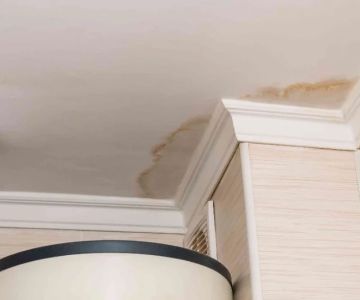
 Ceiling Water Stain but No Active Drip?
 How to Choose a Roofing Contractor with Good Reviews and BBB Rating
 What is a Roofing Core Cut Test? When is it Necessary?
 How to Install Roof Snow Fences on a Low Slope Commercial Roof