Roof Repair Estimate: Compare Scope, Materials, and Exclusions
On this page
- Start with the same project brief
- Confirm the diagnosis and repair area
- Compare materials by product and quantity
- Separate labor, access, and protection
- Identify allowances and unknown conditions
- Read every exclusion
- Check cleanup and disposal
- Review schedule, payment, and expiration
- Verify insurance, license, and warranty
- Compare value, not only price
- Estimate comparison checklist
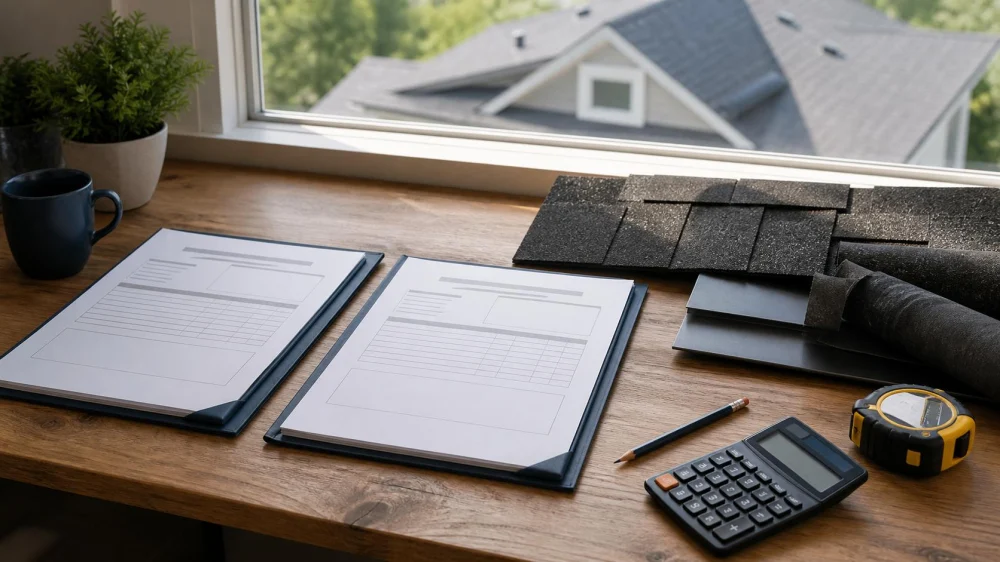
A roof repair estimate should explain what the contractor believes is wrong, what work is included, which products will be used, and which costs may change. A total price without that context is difficult to compare. Two contractors can quote different amounts because they are proposing different repairs, not because one is automatically expensive or inexpensive.
Use estimates as planning documents rather than promises that every hidden condition is already known. Keep photos, messages, inspection notes, estimates, change orders, invoices, and warranty documents together. A careful comparison helps you ask better questions before work begins and reduces disagreement after the roof has been opened.
Start with the same project brief
Give each contractor the same basic information: the address, approximate roof age, known leaks, storm dates, previous repairs, accessible attic observations, and any interior damage. Share clear ground-level photos and note when symptoms occur. Do not climb onto a roof to collect more evidence; contractors should plan safe access.
Ask each company to inspect the same concerns, but allow it to form its own diagnosis. If one estimate covers only a visible patch while another includes flashing, underlayment, and damaged decking, the totals are not directly comparable. Create a simple table with one row for each work item and one column for each bidder.
Slate Roof Professionals
Cedar GroveEssex CountyNew Jersey
74 Glen Rock Rd, Cedar Grove, NJ 07009, USA
Confirm the diagnosis and repair area
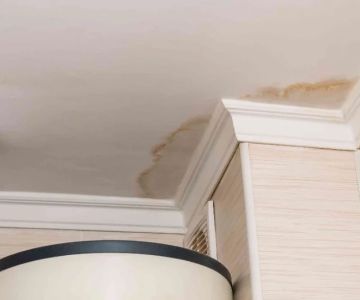
An estimate should identify the suspected entry point or defect and explain why the proposed repair addresses it. Water can travel along framing or under roofing before it appears indoors, so a ceiling stain may not sit directly beneath the exterior problem. Ask how the contractor distinguished the source from nearby possibilities.
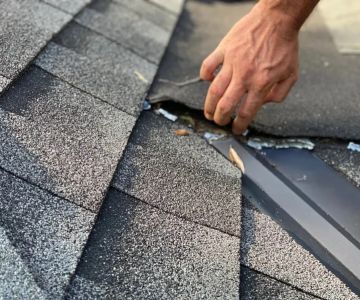
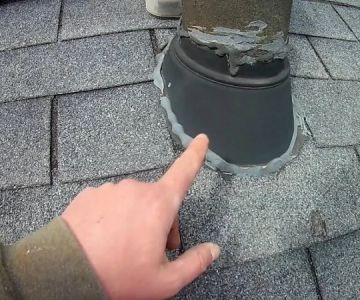
Look for dimensions, quantities, or clearly marked locations. Terms such as “repair roof as needed” leave too much open to interpretation. A useful scope might identify the affected slope, valley, penetration, edge, or flashing assembly and state how far materials will be removed to reach sound construction.
Compare materials by product and quantity
Record the manufacturer, product line, type, color, grade, and estimated quantity for shingles, metal, membranes, underlayment, flashing, sealants, fasteners, vents, and accessories. “Standard materials” does not reveal whether two proposals use compatible systems or products with similar performance and warranty terms.
Ask whether the replacement can reasonably match an aged roof. Even the original color may look different after years of weather exposure. Confirm whether the contractor will use leftover owner-supplied material, source a current equivalent, or document that an exact visual match is unavailable. Compatibility and correct installation matter more than a verbal promise of invisibility.
Separate labor, access, and protection
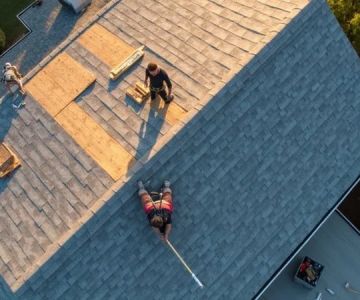
Check whether labor includes setup, safe roof access, removal, installation, supervision, and final inspection. Steep slopes, multiple stories, restricted driveways, fragile landscaping, power-line clearances, solar equipment, and limited staging space can affect the method and price. Tell bidders about access restrictions before they quote.
The estimate should also describe protection for siding, windows, gutters, plants, patios, air-conditioning units, and interior areas below the repair. Ask who moves outdoor items and what the homeowner must prepare. A low total may omit protection or assume access that the property cannot provide.
Identify allowances and unknown conditions
Roof coverings can hide wet insulation, deteriorated sheathing, corroded fasteners, damaged framing, or several old layers. An estimate cannot always price conditions that are invisible before removal. It should nevertheless explain which discoveries could change the cost and how you will be notified.
Look for unit prices for common extras, such as replacement decking by sheet or square foot. Ask whether an allowance is included, what happens if it is exceeded, and whether work pauses for approval. Require a written change order showing the condition, proposed response, price, and schedule effect before additional non-emergency work proceeds.
Read every exclusion
Exclusions define the boundary of the offer. Common examples include interior drywall, painting, mold assessment, structural engineering, electrical work, solar-panel handling, chimney masonry, pest damage, insulation, permit fees, and repairs outside the identified area. An exclusion does not necessarily make an estimate poor, but it may require another contractor or budget.
Ask about items that are neither included nor excluded. Who removes a satellite dish? Who reconnects a downspout? Are rotten fascia and soffit priced separately? Does the price include temporary weather protection if rain arrives mid-project? Write the answer into the contract instead of relying on a conversation.
Check cleanup and disposal
Confirm who supplies containers, removes debris, pays disposal charges, sweeps hard surfaces, and performs magnetic nail collection where appropriate. Ask how workers will keep debris away from doors, vehicles, play areas, neighboring property, pools, and HVAC equipment. Cleanup should cover both the work area and the path used to carry materials.
The contract should state what happens to unused new materials and homeowner-owned matching shingles. Request final ground-level photos when portions of the repair are not visible. Walk the accessible property after the crew finishes, keep children and pets inside during cleanup, and report sharp debris promptly.
Review schedule, payment, and expiration
Compare the anticipated start window, estimated duration, weather-delay process, working hours, and communication contact. A start date may depend on product delivery, permit approval, or completion of earlier projects. Ask how the exposed area will be protected if work cannot be completed in one day.
Match payments to clear milestones rather than vague calendar dates. Review the deposit, progress payments, final payment conditions, accepted methods, financing terms, and lawful cancellation rights. Confirm how long the estimate remains valid because material pricing and availability can change. Never leave blanks in a signed agreement.
Verify insurance, license, and warranty
Check contractor licensing or registration with the relevant state or local authority where required. Ask for current insurance evidence and verify it through the issuer when appropriate. Requirements vary by location, so consult the official licensing and permitting offices rather than relying only on a badge displayed in advertising.
Separate workmanship coverage from manufacturer product coverage. Record the provider, duration, exclusions, transfer rules, claim steps, and maintenance obligations. Ask whether a repair affects an existing roof warranty. Keep the final paid invoice and product information because warranty service may require proof of the exact work.
Compare value, not only price
A responsible comparison weighs diagnosis, scope clarity, product compatibility, safety planning, communication, schedule, cleanup, warranty, and total cost. A detailed estimate can cost more because it includes work that a shorter quote omitted. Ask bidders to revise unclear language so you can compare equivalent scopes.
Be cautious with pressure to sign immediately, unusually large upfront payments, promises to handle insurance dishonestly, or claims that no written detail is necessary. For an active leak, protect people and the interior first, arrange qualified emergency service, and distinguish temporary stabilization from the permanent repair contract.
Estimate comparison checklist
Before selecting a proposal, confirm the legal business name, contact person, diagnosis, repair location, removal limits, materials, quantities, labor, access, protection, permits, cleanup, disposal, exclusions, allowances, unit prices, schedule, weather plan, payments, insurance, licensing, and warranty. Initial any agreed edits and keep a complete copy.
The strongest estimate is not necessarily the longest or cheapest. It is the one that lets both parties understand the same job before work starts. If a material difference remains, ask for a written explanation. A few careful questions now can prevent a price comparison from becoming a dispute over an undefined repair later.

 Zenith Roofing5.0 (14 reviews)
 Becker Roofing2.0 (20 reviews)
 Marvin Construction Services4.0 (243 reviews)
 Mister Roofing And Chimney Services LLC5.0 (22 reviews)
 Ole macdonald construction3.0 (3 reviews)
 Premier Building Associates4.0 (20 reviews)
 How to Repair a Roof Leak in a Building with a Thatched Roof (Modern Methods)
 How to Install Roof Shingles in High Wind Conditions: Tips for Secure Installation
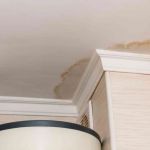 Ceiling Water Stain but No Active Drip?
 How to Choose a Roofing Contractor with Good Reviews and BBB Rating
 What is a Roofing Core Cut Test? When is it Necessary?
 How to Install Roof Snow Fences on a Low Slope Commercial Roof