
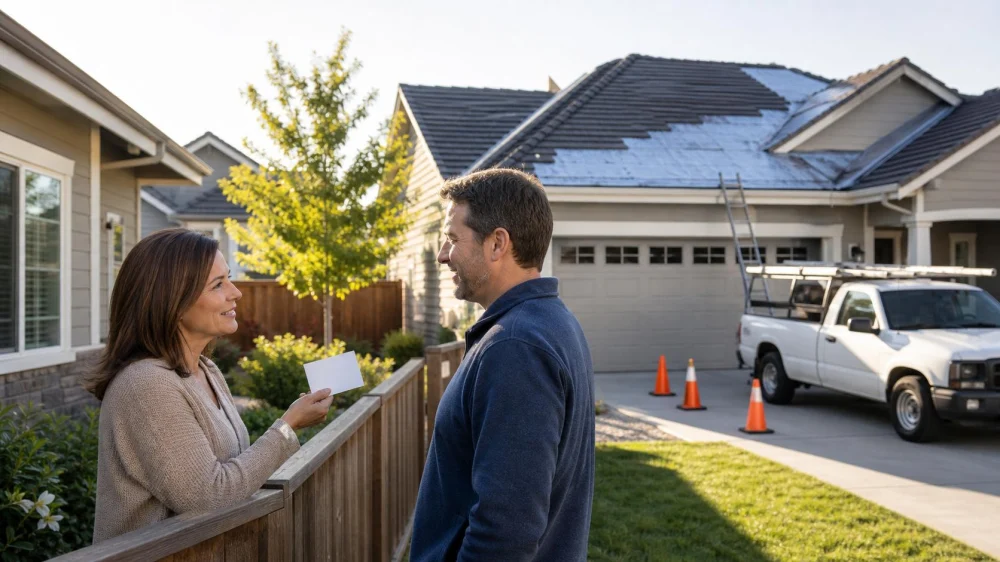
Roof Repair Neighbor Notice: Share Timing and Access
On this page
- Decide who needs notice
- Confirm facts with the contractor
- Send a short, useful message
- Explain noise and working hours
- Coordinate parking and deliveries
- Protect property lines and shared spaces
- Plan for debris, dust, and pets
- Handle attached and multifamily homes
- Share delay and change updates
- Respond to a neighbor concern
- Neighbor notice checklist
Roof repair can affect more than the property where the crew is working. Delivery trucks, ladders, compressors, removal noise, temporary parking, dust, and falling debris may be noticeable next door. A brief advance notice helps neighbors plan and gives the contractor a chance to address tight access before the crew arrives.
The notice does not need to disclose private financial or insurance information. It should share verified logistics, a reasonable contact route, and any specific precaution that nearby residents should take. Keep the message factual because schedules can change with weather, material delivery, permits, or hidden conditions.
Storm King Roofing
PhiladelphiaPhiladelphia CountyPennsylvania
371 Avon St, Philadelphia, PA 19116, USA
Decide who needs notice
Start with properties beside and behind the work area, especially where driveways, alleys, sidewalks, fences, trees, or closely spaced walls affect access. Consider homes across a narrow street if a delivery truck or waste container may temporarily change traffic. Tenants, property managers, homeowner associations, and shared-access owners may require separate notice.
Do not enter a neighbor's property to inspect the view or measure access. Use public areas and your own land, then ask permission for any closer assessment. If work could cross a boundary, involve the contractor and obtain the required written agreement before scheduling it.
Confirm facts with the contractor
Ask for the planned start window, estimated duration, daily working hours, crew size, vehicle count, delivery timing, container location, and likely equipment. Confirm whether materials will be removed, whether tear-off is expected, and which side of the home workers will use. Ask who manages neighbor questions during the project.
Clarify which details are firm and which are estimates. Do not promise that the project will finish by a particular hour if the contractor has only provided a range. Request notice when the schedule changes so you can update anyone affected.
Send a short, useful message
A practical notice identifies your address, the type of work, anticipated dates, usual work hours, and a way to contact you about an immediate access or property concern. State that timing is weather dependent when applicable. Deliver it early enough to be useful but close enough to the project that information is current.
Choose a method appropriate to the relationship: a brief conversation, note, text, email, building portal, or manager notice. Avoid posting phone numbers or project details where the general public can see them. Keep a copy of written notices for complex shared-property arrangements.
Explain noise and working hours
Roof repair can create intermittent hammering, scraping, equipment, and footstep noise that sounds louder inside nearby buildings. Share the expected work window and particularly disruptive phases if known. Neighbors may need to move a remote meeting, prepare a sleeping child, or arrange a quieter space for a pet.
Ask the contractor to follow local noise rules and agreed hours. Do not ask a neighbor to tolerate work outside lawful limits. If an urgent temporary repair must occur after a storm, explain the immediate safety or weather-protection need and provide an update about the permanent work later.
Coordinate parking and deliveries
Map the delivery vehicle, contractor parking, waste container, and material staging locations. Keep hydrants, mailboxes, sidewalks, accessible routes, fire lanes, and neighboring driveways clear. A contractor should not reserve public parking with unauthorized objects or block access because it is convenient.
If a legal temporary restriction is needed, follow the local permit and signage process. Tell neighbors the verified times and boundaries rather than making informal demands. Ask drivers to avoid idling, turning around on lawns, or using private driveways without permission.
Protect property lines and shared spaces
Identify boundaries, shared fences, alleys, walkways, and landscaping before work. Ground-level date-stamped photos can record existing conditions without implying blame. Point out irrigation heads, low branches, decorative lighting, delicate plants, and underground features that could be affected by staging.
Written permission should describe any approved access to neighboring land, the dates, the area, protective measures, cleanup, and restoration responsibility. Contractors should supply suitable insurance and comply with local requirements. A friendly verbal agreement is not a substitute when scaffolding, ladders, debris protection, or workers will occupy another property.
Plan for debris, dust, and pets
Ask how tarps, chutes, containers, and ground protection will contain nails and fragments. Discuss wind direction and the possibility that small debris could travel beyond the immediate work zone. Neighbors may wish to close windows, move outdoor furniture, protect a garden feature, or avoid hanging laundry during removal.
Let nearby households know when gates or loud equipment may affect animals. Each owner should secure pets inside or in a safe enclosed area; workers should never rely on an animal remaining calm around unfamiliar noise. After cleanup, report and remove any discovered nail or sharp fragment promptly using safe handling.
Handle attached and multifamily homes
Townhouses, duplexes, condominiums, and apartment buildings may have shared roof assemblies, party walls, drainage, insurance, or maintenance responsibilities. Review governing documents and contact the association, manager, landlord, or other owners before authorizing work. An individual owner may not control every affected component.
Confirm approval, contractor access, elevator or stair protection, resident notices, emergency routes, and shared utility locations. The repair boundary should account for how roofing and flashing connect across units. When responsibility or property rights are unclear, obtain qualified local legal or technical advice before work begins.
Share delay and change updates
Weather may move the start date or pause open-roof work. Materials can arrive late, and hidden damage can extend the project. Tell affected neighbors promptly when a change alters parking, noise, access, or the estimated completion. A short correction is better than allowing an outdated notice to guide their plans.
Distinguish routine schedule changes from urgent conditions. If debris escapes, a shared route becomes unsafe, or equipment blocks emergency access, contact the site supervisor immediately. Keep people away from the hazard and call emergency services when there is an immediate danger to life, fire safety, traffic, or utilities.
Respond to a neighbor concern
Listen, record the time and location, and photograph visible conditions from a lawful safe position. Do not argue about fault at the property line. Send the details to the contractor's responsible contact and ask what immediate containment or investigation is appropriate.
For claimed damage, preserve before-and-after photos, messages, contracts, and insurance information. Avoid making admissions or promises that exceed your authority. The contractor, property owners, insurers, or qualified professionals may need to inspect. Address safety first, then follow the documented dispute or claim process.
Neighbor notice checklist
Before sending a notice, verify the dates, hours, work area, parking plan, delivery route, container location, noise expectation, access needs, and project contact. Identify shared property, obtain permissions, photograph existing conditions, and ask the contractor how debris and weather interruptions will be managed.
A considerate notice sets expectations without overpromising. Update it when logistics materially change, keep shared routes open, and document any permission that affects another property. Good communication will not eliminate every inconvenience, but it can turn an unexpected disruption into a manageable, time-limited project.



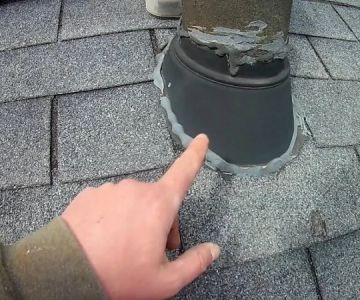

 Zenith Roofing5.0 (14 reviews)
 Becker Roofing2.0 (20 reviews)
 Marvin Construction Services4.0 (243 reviews)
 Mister Roofing And Chimney Services LLC5.0 (22 reviews)
 Ole macdonald construction3.0 (3 reviews)
 Premier Building Associates4.0 (20 reviews)
 How to Repair a Roof Leak in a Building with a Thatched Roof (Modern Methods)
 How to Install Roof Shingles in High Wind Conditions: Tips for Secure Installation
 Ceiling Water Stain but No Active Drip?
 How to Choose a Roofing Contractor with Good Reviews and BBB Rating
 What is a Roofing Core Cut Test? When is it Necessary?
 How to Install Roof Snow Fences on a Low Slope Commercial Roof