
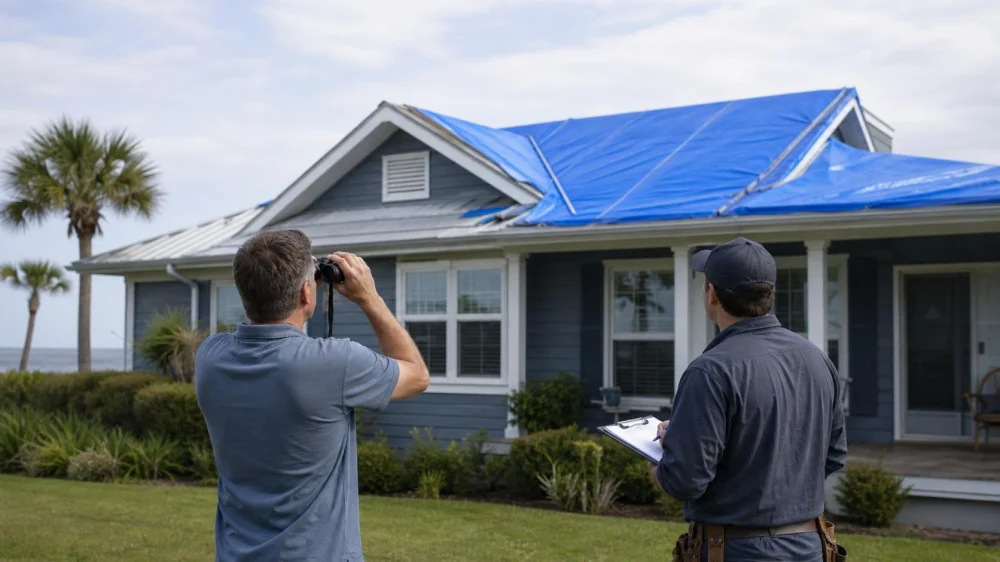
Temporary Roof Tarp: Monitor It From the Ground and Schedule Permanent Repair
Quick answer: A roof tarp is temporary emergency protection, not a finished repair. Keep everyone off the roof, photograph it from safe ground positions, check indoors after wind and rain, and call the installer if edges lift, water pools, fasteners loosen, or leaks continue. Get the permanent inspection and repair scope scheduled in writing.
1. Save Installer, Date, Scope, and Contact Information
Record which area was covered, why, what material and attachment method were used, and who handles an after-hours problem. Keep the invoice and any warranty or limitation.
Seapoint Roofing and Siding
Upper TownshipCape May CountyNew Jersey
322 Stagecoach Rd, Marmora, NJ 08223, USA
2. Never Climb Up to Tighten or Inspect It
Tarped roofs can be unusually slippery and may conceal damaged decking, holes, loose material, and unstable edges. Use binoculars or zoom from a dry, stable ground location. Keep ladders locked away.

Valor Home Roofing
CroftonAnne Arundel CountyMaryland
2142 Priest Bridge Court, Crofton, MD 21114, USA
3. Photograph Edges, Ridges, Valleys, and Covered Area
Take dated views from the same safe positions so later movement is easier to spot. Include the surrounding roof and exterior, not only a close-up. Do not cross property lines or stand in traffic for a better angle.
4. Recheck Visually After Wind and Rain
Look for lifted edges, fluttering, tears, shifted boards, loose ropes, sagging, pooled water, or exposed roof. Call the installer rather than attempting an adjustment. Keep people away from the area below loose material.
5. Inspect Ceilings and Attic Areas Safely
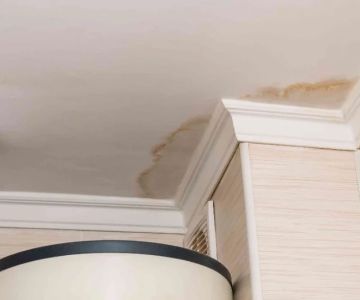
Watch for new stains, drips, damp insulation, odor, bubbling paint, or ceiling sag. Do not touch wet fixtures, walk on attic insulation, or puncture a ceiling bulge. Move belongings only if it is safe.
6. Escalate Active Leaks, Electrical Risk, or Loose Debris
Call emergency services or utilities for immediate life safety hazards. Contact the roofing emergency number for rapid tarp failure or continuing water entry. Do not stay beneath a visibly sagging ceiling.
7. Keep the Insurer Updated Without Delaying Mitigation
Save pre-tarp and post-tarp photos, weather information, invoices, calls, and damaged-property records. Ask about inspection and approved repair documentation. Take reasonable safe steps to prevent added damage.
8. Ask How Long the Temporary System Can Remain
Exposure depends on material, installation, weather, roof shape, and manufacturer guidance. Get a monitoring and replacement date rather than assuming a blue tarp can last a season.
9. Obtain a Written Permanent Repair Scope
The contractor should inspect decking, underlayment, flashing, vents, edges, and adjacent roof after safe access is possible. Compare repair limits, materials, permits, warranty, hidden-damage process, price, and schedule.
10. Have the Tarp Removed During the Professional Repair
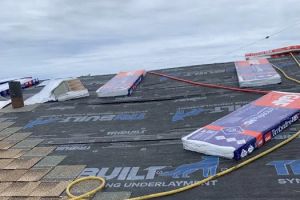
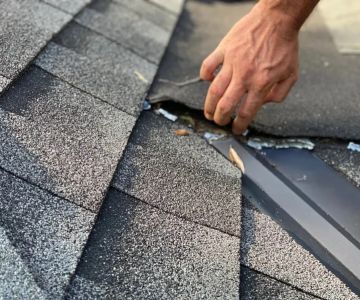
Removal can release trapped water, sharp fasteners, and loose debris. Professionals should control the area, document underlying conditions, replace damaged components, and complete a final ground cleanup. Save closeout photos and warranty records.
 Power Roofing Queens Village5.0 (9 reviews)
 B&B ROOFING & GUTTERS.5.0 (218 reviews)
 BP Builders | Roofer, Roof Replacement, Roofing Company & General Contractor4.0 (215 reviews)
 United roofing and concrete1.0 (7 reviews)
 Mike Gorman Roofing Inc.4.0 (14 reviews)
 Bonner Master Roofing5.0 (123 reviews)
 Roof Wind Uplift Ratings Explained for Hurricane Zone Safety
 How to Choose a Roofing Contractor That Uses Drones for Inspection and Estimates
 How to Install Roof Heat Cable on a Metal Roof to Prevent Ice
 What is a Roof Deck and How to Repair or Reinforce It
 How to Install Roof Flashing on a Roof with Unconventional Shapes and Angles
 How to Choose a Roofing Contractor That Provides References from Past Clients