

Chimney Roof Leak: Coordinate Masonry, Flashing, and the Roof
On this page
Quick answer
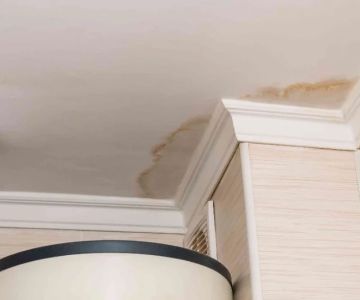
A stain near a chimney does not prove that shingles are the only problem. Water may enter through step flashing, counterflashing, a cricket, roof transitions, mortar joints, crown or cap defects, porous masonry, or condensation—and may travel before appearing indoors. Document the weather pattern and interior path, keep off the roof, and coordinate a roofer and qualified chimney or masonry professional.
The repair should identify the entry mechanism, define which trade owns each interface, dry affected materials, and pass a planned verification—not simply receive a broad coat of sealant.
Trama Roofing Company
PhiladelphiaPhiladelphia CountyPennsylvania
6604 Haverford Ave, Philadelphia, PA 19151, USA
Observe from safe locations
During rain, keep away from wet electrical fixtures, sagging ceilings, active drips, fireplaces, and loose masonry. Move belongings and contain water only from a dry, stable area. Do not use the fireplace or appliance if water has entered the firebox, flue, connector, or nearby electrical system until the relevant professional checks it.
Record the first wet point, direction of spread, storm duration, wind direction if known, and whether leakage occurs with wind-driven rain, snowmelt, or appliance use. Photograph the ceiling, wall, attic surfaces visible from a safe platform, chimney exterior from the ground, and any prior repair. Do not enter a cramped, wet, or unsafe attic.

Gunner Roofing
CromwellLower Connecticut River Valley Planning RegionConnecticut
700 Corporate Row, Cromwell, CT 06416, USA
Separate possible pathways
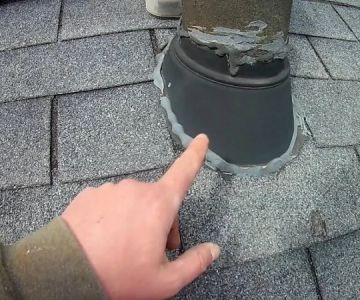
Roof interfaces can include step flashing along the sides, apron flashing at the lower face, back-pan or cricket details on the uphill side, and counterflashing tied into masonry. Roof slope, chimney width, cladding, underlayment, and prior overlays affect the design. Sealant may be one compatible component, but exposed beads alone are not a substitute for correct lapping and drainage.
The chimney itself can have crown cracks, cap defects, open joints, damaged brick or stone, failed wash, flashing reglet problems, or moisture moving through masonry. Inside, condensation, appliance venting, or plumbing and mechanical sources can mimic rain entry. Ask each contractor to state what evidence supports or excludes a pathway.
Coordinate the inspection
- Give both trades the same photos, timing log, roof history, and chimney-service history.
- Ask the roofer to document roofing, flashing, underlayment, drainage, deck condition, and interfaces.
- Ask the chimney or masonry professional to document cap, crown, joints, counterflashing attachment, and flue-related concerns within scope.
- Identify who will open concealed areas, protect interiors, and restore removed materials.
- Require one written scope showing sequence, compatible materials, trade boundaries, permits, and warranty responsibility.
- Arrange drying or restoration assessment for wet insulation, sheathing, drywall, and finishes.
If contractors disagree, ask them to inspect together or provide photographs and test results tied to their conclusion. Replacing one visible component by trial can move the symptom without solving the interface.
Repair and verify
Before work, photograph roof and masonry conditions from the contractor’s documentation and confirm how weather protection will be maintained. The repair may require roofing removal, flashing reconstruction, masonry work, a cricket or drainage correction, and interior drying in a deliberate sequence.
Verification can include visual inspection of concealed details before they are covered, controlled water testing when appropriate, later observation in similar weather, moisture readings, and safe appliance evaluation. A hose test should be staged by qualified people so it isolates zones and does not flood the assembly. Keep before, during, after, and closeout records.
Leak checklist
- Fireplace and wet electrical risks isolated
- First wet point and storm pattern recorded
- Roofing and masonry pathways listed separately
- Roofer and chimney or masonry scopes coordinated
- Interior wet materials mapped
- Sequence, permits, protection, and warranties assigned
- Concealed details photographed before covering
- Repair and drying verified with written evidence
Limitations
Water-path diagnosis cannot be completed from a stain or ground photo. Chimneys can involve roof structure, masonry, combustion venting, fire code, and electrical systems. Roof and chimney access is hazardous and should be handled by qualified people. Local code and manufacturer instructions control details.
FAQ
Can I just caulk the flashing?
Not as a diagnosis. Sealant may hide or redirect water while lapping, masonry, or concealed flashing remains defective.
Who should I call first?
Start with qualified roof and chimney or masonry expertise and share the same evidence. The interface may require both.
Does a new chimney cap fix roof flashing?
No. Caps, crowns, masonry, and roof flashing are related but distinct components.
Can I use the fireplace after a leak?
Not until appropriate professionals confirm that the firebox, flue, venting, and nearby systems are safe.
When is repair complete?
When the source and interfaces are corrected, affected materials are dry, testing supports the result, and all work is documented.
Evidence notes
The primary evidence is a weather-linked leak log, qualified roof and masonry observations, photographs of concealed flashing and substrate, compatible manufacturer details, moisture readings, and a repeatable verification method. A surface stain or sealant appearance alone cannot identify the water entry path.
Conclusion
A chimney leak is an interface problem until evidence proves otherwise. Stay off the roof, document timing and travel, put roofing and masonry findings into one sequence, dry the interior, and verify the complete assembly.

 Strober-Wright Roofing Inc4.0 (9 reviews)
 John Roofing LLC1.0 (1 reviews)
 Clean Cut Construction5.0 (5 reviews)
 Weaver Roofing0.0 (0 reviews)
 Revival Home Improvements4.0 (21 reviews)
 Maspeth Contracting Corp. dba Maspeth Roofing & Siding4.0 (11 reviews)
 : How to Identify Roof Hail Damage: Size and Impact Markers - BeachCo Roofing Hub
 Final Roof Inspection Checklist Before Final Payment
 Are DIY Roof Repairs Actually Cheaper? Hidden Costs Explained
 How to Repair a Roof Leak in a Building with a Fabric Membrane Roof
 How to Prevent Roof Shingles from Blowing Off in High Winds
 The Cost of a New Roof with an Energy Star Rated Reflective Coating