
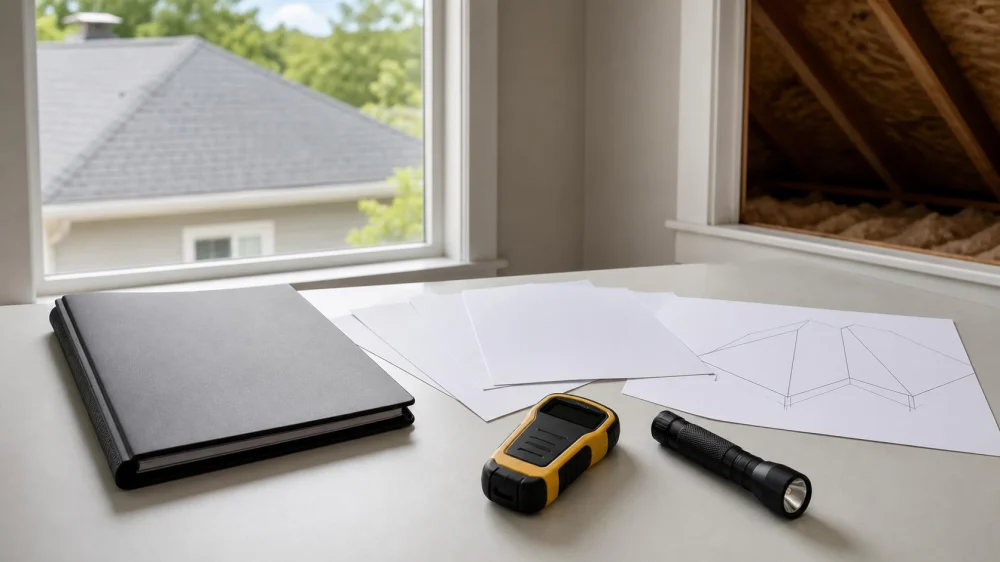
Roof Repair Verification: Ask How the Fix Was Tested
On this page
Quick answer
Before a roof repair begins, ask how the contractor will verify the specific fix. Completion can include photos of concealed and finished work, inspection of flashing and fasteners, confirmation of seal or membrane details, controlled water testing when appropriate, interior moisture readings, and follow-up after rain. The method should match the leak source, roof system, weather, and manufacturer instructions.
No single dry day or photograph guarantees that every leak is solved. Establish the baseline, test what can be tested safely, document limitations, and know what to report during the warranty period.
Eagle Elite Contractors
Hamilton TownshipMercer CountyNew Jersey
109 Flock Rd, Hamilton Township, NJ 08619, USA
Define what success means
Success may mean damaged material was replaced, the identified water pathway was corrected, the assembly was restored to specification, interior materials are drying, and no new entry appears under the conditions tested. Ask the contractor to separate repair workmanship from drying and interior restoration.
- Which defect or pathway was repaired?
- Which roof and interior areas are in scope?
- What test or inspection will be performed?
- What conditions cannot be reproduced?
- Who handles remaining wet insulation, drywall, or finishes?
Match verification to the repair
Verification may include visual checks, measurements, photos, adhesion or fastening confirmation, drainage observation, manufacturer-required procedures, or a professionally controlled water test. Water testing is not suitable for every roof, weather condition, or suspected pathway and can create damage when done incorrectly.
Do not spray the roof yourself, climb up to inspect, lift roofing, or enter unsafe attic areas. Ask the qualified contractor to select and document the method.
Executive Roofing Systems
SpotswoodMiddlesex CountyNew Jersey
1 American Way Suite C, Spotswood, NJ 08884, USA
Track interior moisture safely
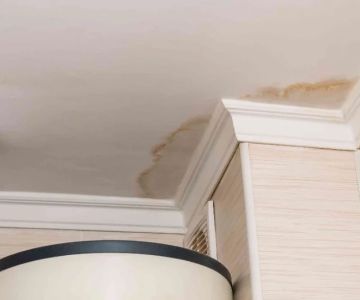
Mark or photograph existing stains before repair without painting over them. Record whether they change after weather. A stain can remain visible after the material dries, so colour alone is not a moisture measurement.
Restoration professionals may use moisture meters, thermal imaging, or controlled drying to assess interior materials. Readings need material-specific interpretation; a consumer meter or thermal image does not prove the source by itself.
Collect completion records
- Before, during, concealed-work, and final photos.
- Exact repaired location and materials used.
- Manufacturer and product information.
- Inspection or test method, date, conditions, and result.
- Known limitations and remaining work.
- Warranty terms, reporting channel, and response timeline.
Ask the contractor to explain field changes and confirm that debris, temporary coverings, and unused materials were addressed.
Monitor after real weather
After rain, wind-driven rain, snowmelt, or another relevant condition, check the interior from safe, normal access areas. Compare photos and report active water, new staining, odour, dampness, or material movement promptly. Keep dates and weather notes.
Do not wait through repeated storms if water returns. Protect people and belongings, avoid electrical and structural hazards, and contact the contractor and other appropriate professionals.
Important limitations
This is general U.S. homeowner information, not roofing, engineering, restoration, warranty, or insurance advice. Tests, moisture interpretation, code, manufacturer requirements, and leak behaviour vary. Qualified on-site professionals must choose verification and repair methods.
Evidence notes
The framework connects a stated failure mechanism to a proportional verification method and later field observation. It avoids treating absence of visible water at one moment as proof, while creating a documented path for follow-up.
FAQ
Should every repair receive a hose test?
No. Suitability depends on the roof, defect, weather, and professional procedure.
Does a dry ceiling mean the roof is fixed?
Not necessarily. Conditions may not have reproduced the leak, and concealed moisture may remain.
Will an old stain disappear?
Often not. Confirm dryness before cosmetic repair.
Should I buy a moisture meter?
It may provide clues, but readings require correct material and baseline interpretation.
What if the leak returns?
Document it safely and notify the contractor promptly through the warranty channel.
Next steps
Agree on the failure being repaired, verification method, documentation, interior drying responsibility, and warranty reporting process before work starts. Review the record after completion and monitor safely during relevant weather.

 Teaneck Roofing Co LLC3.0 (6 reviews)
 Storm King Roofing5.0 (1 reviews)
 Hudecheck Roofing4.0 (17 reviews)
 M&T Roofing Inc.5.0 (1 reviews)
 Blink Construction5.0 (5 reviews)
 Remarkable Roofing4.0 (9 reviews)
 How to Install Ridge Vents for Proper Roof Exhaust: A Step-by-Step Guide
 The Pros and Cons of a Cold-Applied Roof Membrane System | BeachCo Roofing Hub
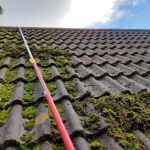 The Pros and Cons of a Nano-Coated Roof Surface for Easy Cleaning
 How to Water Test Your Roof to Find the Source of a Leak
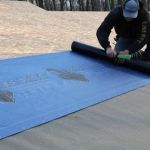 How to Install a Roof Underlayment for a High-Traffic Rooftop Area
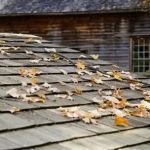 How to Handle Roof Damage Caused by Fallen Tree Branches