
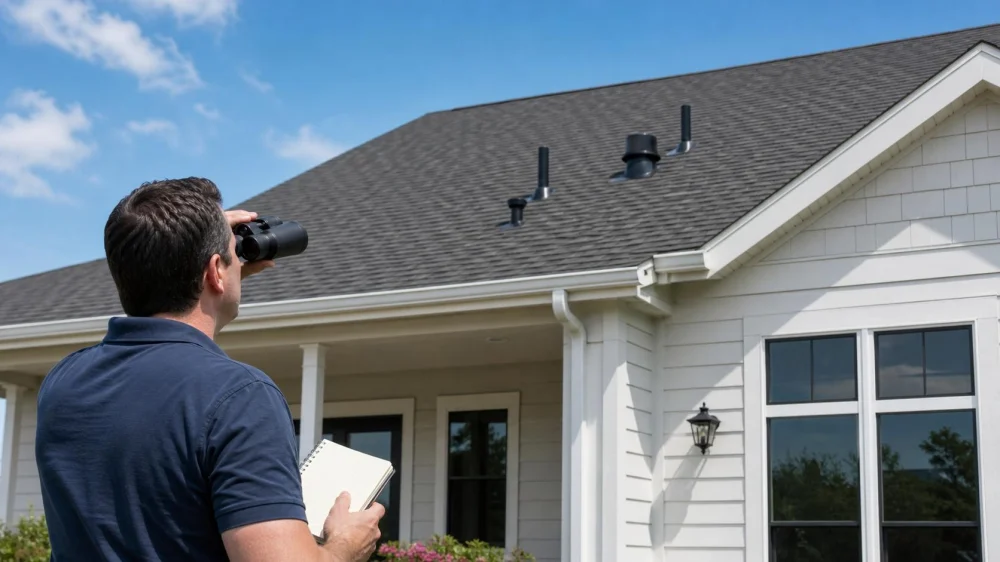
Roof Vent and Pipe Boot Checks From the Ground
On this page
Quick answer
Roof vents and pipe boots should sit flat, sealed, and undamaged. From the ground, homeowners can look for cracked rubber collars, lifted flashing, rust stains, missing caps, loose shingles around penetrations, or ceiling stains below the area. Do not climb onto the roof; use binoculars, take photos, and call a roofer if anything looks separated or weathered.

What roof penetrations are
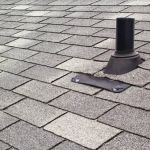
A roof penetration is any object that passes through the roof surface, such as a plumbing vent pipe, exhaust vent, attic vent, roof jack, or mechanical vent. These openings need flashing or boots to keep water out while allowing the roof system to function.
Because penetrations interrupt the shingle surface, they deserve routine attention. Many small leaks start where rubber, metal, sealant, and shingles meet.

Fox Chase Contracting
FlemingtonHunterdon CountyNew Jersey
4 Walter E Foran Blvd Suite 310, Flemington, NJ 08822, USA
What to look for from the ground
- Cracked rubber pipe boots: sunlight and weather can split rubber around plumbing vent pipes.
- Lifted flashing edges: metal should not appear bent upward or separated from surrounding shingles.
- Rust marks: stains below a vent can point to aging metal or fasteners.
- Missing or tilted caps: vent caps should look secure and aligned.
- Shingle disturbance: curled, missing, or lifted shingles around a vent may allow water entry.
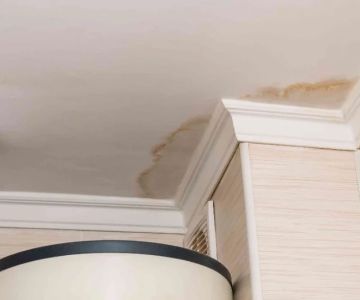
- Interior stains: ceiling spots or musty odors below a roof penetration deserve quick attention.
Why pipe boots and vents fail
Pipe boots and vent flashing fail because they sit in harsh conditions. Sun exposure can dry rubber, wind can lift edges, fasteners can loosen, and temperature swings can expand and contract materials. Coastal air, tree debris, and repeated storms may speed up visible wear.
Sometimes the roof surface looks fine while a small boot crack allows water to follow the pipe into the attic or ceiling. That is why small visual changes matter.
Best for and not ideal for
This guide is best for homeowners who want a safe way to notice roof penetration problems before they become obvious interior leaks.
It is not ideal for confirming a leak source, replacing flashing, sealing roof penetrations, or walking on the roof. Those tasks require professional inspection and repair.
Ground-check checklist
- Stand where you can see the roof slope clearly without stepping into unsafe areas.
- Use binoculars or phone zoom to view vents and pipe boots.
- Look for cracks, gaps, rust, lifted edges, or missing caps.
- Check ceilings and attic-adjacent areas after heavy rain if safe and accessible.
- Take dated photos for comparison.
- Schedule a professional inspection if the same area changes or shows stains.
When to call a roofer
Call a roofer if the rubber boot looks split, flashing is lifted, a vent cap is missing, shingles around the penetration are damaged, or interior stains appear after rain. Also call if the roof is steep, high, wet, or difficult to view safely from the ground.
Important notes
- This is general roof-care information for homeowners in the United States.
- Do not use caulk as a guesswork fix from the roof surface without understanding the flashing detail.
- Roof penetration repairs may affect warranties if done incorrectly.
- Vent types and code requirements vary by location and roof system.
FAQ
What is a pipe boot on a roof?
A pipe boot is a flashing component that seals around a plumbing vent pipe where it passes through the roof.
Can a cracked pipe boot cause a ceiling stain?
Yes. Water can enter around the pipe, travel along framing or the pipe itself, and appear as a stain away from the visible roof opening.
Can I inspect roof vents without a ladder?
Often yes. Binoculars, phone zoom, and ground-level photos can reveal obvious cracks, rust, missing caps, or lifted flashing.
Should pipe boots be replaced before they leak?
If a boot is visibly cracked or brittle, a roofer may recommend replacement before interior damage occurs. The timing depends on roof age, material condition, and access.
Evidence notes
This guidance reflects common roofing maintenance practice: roof penetrations require reliable flashing, and small failures around boots or vents can create leaks even when the surrounding shingles look intact.
Next steps
Take ground-level photos of visible roof vents and pipe boots today, then compare them after the next heavy rain or windy day. If you notice cracks, rust, lifted flashing, or interior staining, contact a qualified local roofer for a closer inspection.


 Five Stars Roofing & Contracting LLC.4.0 (20 reviews)
 JIMBO V CONSTRUCTION INC4.0 (5 reviews)
 Glenwood Metals LLC5.0 (1 reviews)
 Roofing Service Pro's4.0 (13 reviews)
 NEPS Roofing5.0 (23 reviews)
 access roofing5.0 (3 reviews)
 Coastal Roof Maintenance for Salt-Air Homes
 How to Install a Roof Vent for a Gas Water Heater or Furnace
 How to Choose a Roofing Contractor Active in Industry Associations – A Guide for Homeowners
 The Cost of a New Roof with Class 4 Impact and Class A Fire Rating
 How to Prevent Roof Damage from Wind-Driven Rain
 How to Prevent Roof Damage from Clogged Gutters and Downspouts