
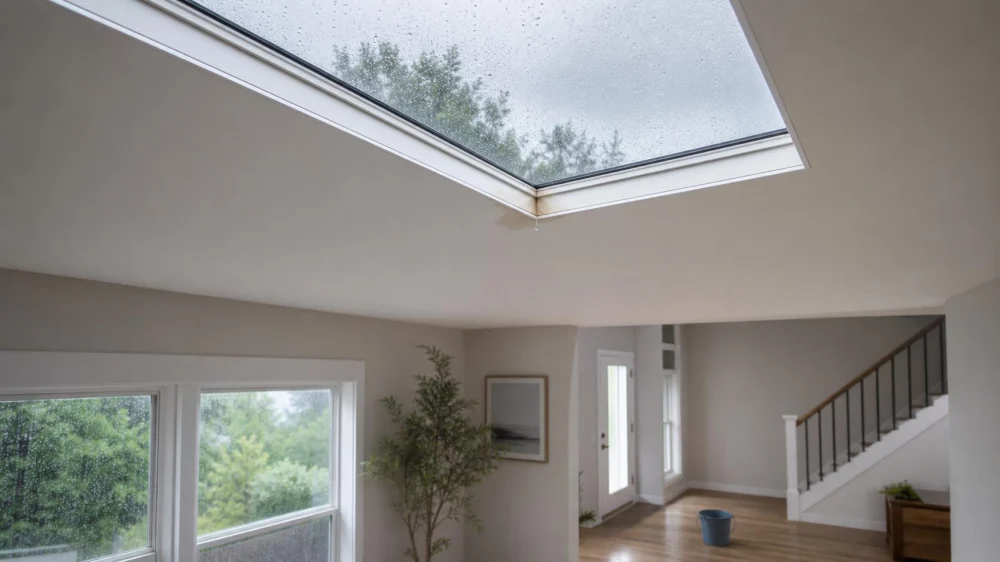
Skylight Leak Repair: Separate Glass, Flashing, and Roof
On this page
- Quick answer
- Separate possible moisture sources
- Document the pattern indoors
- Inspect safely without climbing
- What the contractor should identify
- Treat the skylight as a water-shedding system
- Compare repair and replacement scopes
- Verify the completed work
- Skylight leak checklist
- Frequently asked questions
- Sources and evidence notes
- Conclusion and next steps
Quick answer
Water near a skylight can come from failed roof covering, flashing, underlayment, curb or frame joints, glazing seals, drainage paths, or indoor condensation. Photograph when and where moisture appears, protect the interior, and have a qualified roofer or skylight installer identify the path before applying sealant.
Do not climb onto a wet or steep roof, lean through the opening, or puncture a stained ceiling. A durable scope should name the failed component, the materials to be removed, the compatible flashing and underlayment details, interior drying, and how the repair will be verified.

Separate possible moisture sources
Rainwater may travel along roof decking or framing before appearing at the skylight well, so the first drip is not always directly below the defect. Wind-driven rain, ice, debris, cracked roofing, fastener holes, and upstream penetrations can all change the path.
Condensation usually relates to warm humid indoor air meeting a cold surface, but it can wet trim and drywall enough to resemble a roof leak. Note whether moisture appears only during rain, after snow or ice, on cold clear mornings, during showers or cooking, or when the skylight is opened.
Fog or droplets sealed between glazing layers indicate a different problem from water running around the frame. Keep these observations separate in the repair request.

Document the pattern indoors
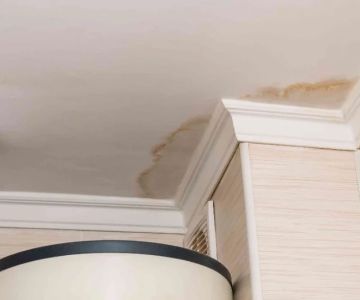
Take wide photos showing the full ceiling and close photos of stains, bubbling paint, wet trim, and droplets. Record weather direction, rainfall intensity, temperature, indoor humidity, start time, and how long moisture continues after the weather stops. Mark the stain boundary lightly with removable tape and date it rather than writing on finished material.
Protect furnishings with a stable container and plastic sheeting without blocking exits. If water is near a light, fan, wiring, or outlet, keep clear and have electrical safety assessed. Clear the room for a sagging ceiling or falling material.
Inspect safely without climbing
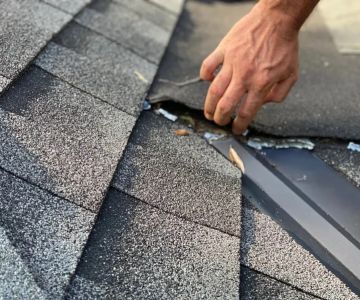
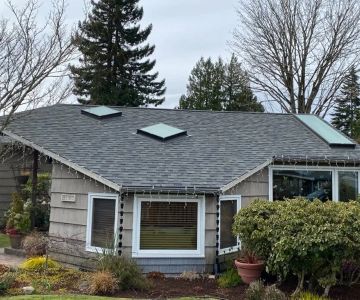
From the ground, use binoculars or a zoom camera to look for missing or lifted roof material, debris dams, displaced metal, cracked glazing, open seams, and damage above the skylight. Do not pressure-wash, probe, or aim a hose from a ladder.
If an attic is safely accessible, a qualified person can trace staining on framing and decking, check insulation and ventilation, and look for wet materials. Do not enter an attic with unsafe flooring, exposed electrical hazards, extreme heat, mold-like growth, animal waste, or suspected asbestos-containing material.
What the contractor should identify
- manufacturer, model, age, and visible product label;
- deck-mounted, curb-mounted, or self-flashed configuration;
- roof material and slope;
- approved flashing kit and pitch range;
- underlayment and water-shedding details;
- condition of frame, curb, gasket, glazing, fasteners, and surrounding deck;
- interior condensation and ventilation factors; and
- whether repair preserves the product and roof warranties.
Ask for photos before removal and after each concealed layer is installed. A diagnosis should distinguish observed evidence from assumptions.
Treat the skylight as a water-shedding system
Manufacturer systems often combine a seal or gasket, underlayment, and engineered flashing that integrates with the roof covering. VELUX, for example, describes flashing as primary water protection and adhesive underlayment as secondary protection for specified products.
A bead of exposed sealant may temporarily redirect water but can also trap moisture or hide failed flashing. Use only the details, products, slope range, and fasteners approved for the actual skylight and roofing material. Do not mix a generic flashing approach with a model-specific system without documented compatibility.
Compare repair and replacement scopes
A repair may be appropriate when the unit and curb are sound and a localized roofing or flashing defect can be corrected. Replacement may make more sense for damaged frames, failed insulated glazing, corroded components, obsolete parts, repeated leaks, incompatible installation, or a skylight nearing the end of service during reroofing.
Have proposals separate roof material, deck repair, curb work, skylight unit, flashing kit, underlayment, insulation, interior drywall and paint, disposal, permits, and warranty. Confirm who takes responsibility at the interface between roofer, skylight installer, carpenter, and interior contractor.
Verify the completed work
Collect the product model, batch or serial information, flashing and underlayment documentation, photos, warranty registration, permit or inspection record, and final invoice. The installer should confirm that drainage paths are open and the unit operates and locks correctly if it is venting.
Water testing should follow manufacturer and contractor procedures and avoid forcing water uphill or into openings. Continue monitoring during natural weather and track indoor humidity. Dry or replace wet interior materials before closing or painting.
Skylight leak checklist
- Protect the interior without approaching electrical hazards.
- Record rain, wind, temperature, and indoor humidity.
- Photograph the full stain and close details.
- Inspect only from safe ground or qualified access.
- Identify model, mount type, roof material, and slope.
- Separate glazing, condensation, flashing, and roof causes.
- Use manufacturer-compatible layers and details.
- Document concealed work before it is covered.
- Dry affected materials and retain warranties.
Frequently asked questions
Does a ceiling stain prove the skylight is leaking?
No. Water can travel from another roof defect or form as condensation. Trace the source.
Can I caulk around the skylight?
Do not use generic sealant as a diagnosis. It may be incompatible or conceal failed flashing.
Why does it drip on cold sunny days?
Condensation is possible. Record humidity and have the glazing, insulation, air leakage, and ventilation assessed.
Should a skylight be replaced during reroofing?
Age, condition, parts, warranty, and compatibility determine that choice. Compare lifecycle scope before work.
Can I test it with a garden hose?
Improper testing can force water where rain would not go. Use the installer’s controlled procedure.
Who repairs the interior?
Clarify whether the roofing or skylight contract includes drying, insulation, drywall, and paint.
Sources and evidence notes
ENERGY STAR says certified skylights must have installation instructions available and highlights sealing gaps around skylights. VELUX’s weathertight skylight system illustrates product-specific layers of gasket or seal, underlayment, and engineered flashing. Its installation resource provides model-specific flashing instructions.
Manufacturer examples are not universal specifications. Use the instructions for the installed unit, roofing material, pitch, and local code.
Conclusion and next steps
Document the moisture pattern, keep roof access out of the homeowner scope, and require a diagnosis that separates roof, flashing, glazing, frame, and condensation. Approve a compatible layer-by-layer repair or replacement scope, preserve concealed-work photos, and verify drying and performance after completion.


 Hernandez & Sons Roofing4.0 (34 reviews)
 Miller & Sons Roofing & Remodeling4.0 (34 reviews)
 Colonial Remodeling LLC3.0 (6 reviews)
 Dream Home Roofers5.0 (245 reviews)
 EXTERIORS ASSOCIATES INC. Our 25th Year!0.0 (0 reviews)
 Alb Best Way Construction5.0 (66 reviews)
 How to Install Roof Flashing on a Roof with a Combination of Steep and Flat Sections
 How to Clean Solar Panels on a Roof Without Damaging Shingles or Voiding Warranties
 How to Choose a Roofing Contractor That Specializes in Complex Historic Restoration
 How to Choose a Roofing Material That Compliments Your Siding
 The Pros and Cons of a Modified Bitumen (Mod Bit) Roof
 Rubber Roofing for Flat Roofs EPDM vs TPO vs PVC Comparison Guide