
Roof Replacement Prep: Protect Attic and Indoor Items
On this page
Quick answer
Before roof replacement, ask the contractor which rooms, attic areas, entrances, and utilities may be affected. Remove fragile or valuable attic contents, cover remaining items without blocking vents or equipment, clear wall-mounted valuables near the work, and close interior doors. Plan a quiet safe location for children and pets, protect vehicles and outdoor access, and never enter the attic or work zone while crews are operating without permission.
FRG Contractor Corporation
WoburnMiddlesex CountyMassachusetts
800 W Cummings Park Suite 2300, 2nd Floor, Woburn, MA 01801, USA
Why indoor preparation matters
Tear-off, fastening, material delivery, and movement across a roof can transmit vibration and release dust or small debris into an unfinished attic. The exact effect depends on the roof assembly, attic finish, project scope, and contractor’s methods.
Indoor roof-replacement preparation means reducing the chance that vibration, dust, access restrictions, noise, or falling debris will damage belongings or expose occupants during exterior work. It does not mean modifying structure or covering equipment without professional direction.

First Choice Exteriors LLC
BiglervilleAdams CountyPennsylvania
3161 Chambersburg Rd, Biglerville, PA 17307, USA
Confirm the work plan first
Ask the project contact for current instructions several days before work:
- anticipated start window, daily working hours, and weather-delay communication;
- which roof sections are included and whether deck replacement is possible;
- where workers, ladders, delivery vehicles, dumpsters, and falling-debris zones will be located;
- whether attic access is needed and who is authorized to enter;
- expected effects on skylights, vents, antennas, solar equipment, alarms, HVAC, or electrical service;
- what the homeowner must move and what the crew will protect;
- the emergency and after-hours contact method.
Put unusual conditions in writing: stored collections, a finished attic, medical equipment, remote work, a sleeping infant, indoor animals, or restricted access.
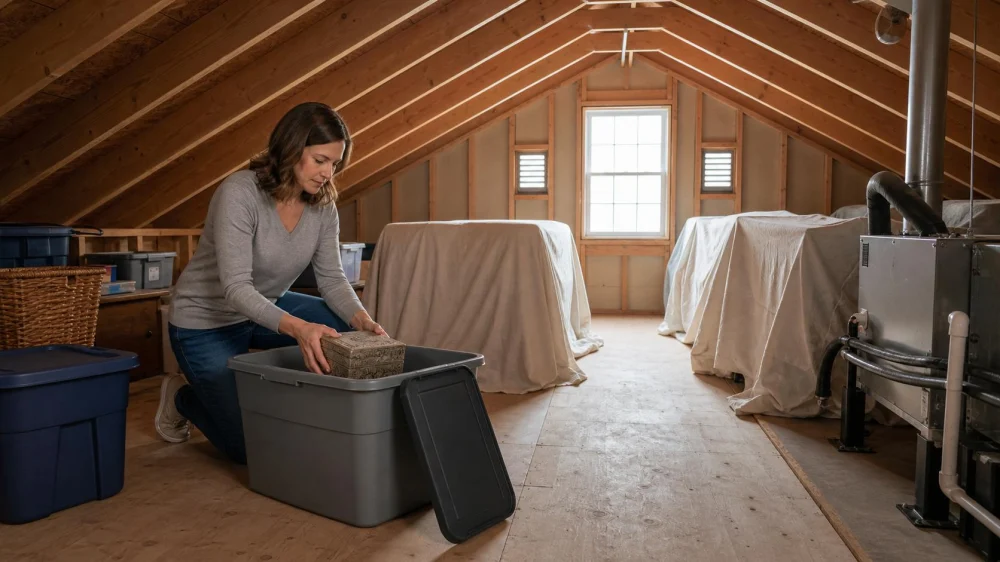
Prepare the attic
- Photograph the area. Create a simple condition record without disturbing insulation or wiring.
- Remove high-value, fragile, and irreplaceable items. Relocate documents, electronics, glass, artwork, and keepsakes to a clean interior room away from the work.
- Reduce exposed storage. Closed plastic bins protect better than open cardboard, but do not overload attic framing or unsafe access paths.
- Cover only where approved. Use clean covers for remaining contents while keeping soffit, ridge, or mechanical ventilation paths open.
- Preserve service clearance. Do not cover furnaces, air handlers, flues, exhaust fans, electrical equipment, junction boxes, or heat-producing devices.
- Leave the attic during work. Falling nails, splinters, dust, heat, exposed deck areas, and worker access make it an inappropriate place for occupants.
If the attic contains vermiculite-like material, damaged wiring, strong odors, visible mold, animal waste, or suspected hazardous material, stop disturbing it and seek appropriately qualified guidance.
Protect rooms and fragile items
- Remove loose pictures, mirrors, shelves, and fragile objects from walls or high furniture directly below active roof areas.
- Secure cabinet contents and delicate ceiling-hung decorations if vibration could affect them.
- Close windows and exterior doors as directed to limit dust and noise.
- Close interior doors to separate work-adjacent rooms, but do not block required exits.
- Move valuables away from skylights and ceiling areas the contractor identifies.
- Save computer work, protect sensitive electronics from dust, and plan for noise during calls.
Do not tape over smoke or carbon-monoxide alarms, disable required detection, or block sprinklers. Ask the contractor and relevant service professional how unusual dust or alarm concerns should be managed.
Plan for people and pets
Roof replacement can be loud and unpredictable. A calm off-site plan is often best for pets, young children, noise-sensitive occupants, and anyone needing uninterrupted rest or calls. Confirm that gates, doors, fences, and animal routes will remain secure despite crew movement.
Keep everyone away from dumpsters, delivery equipment, ladders, cords, magnetic cleanup tools, and marked drop zones. Workers should control their construction area; homeowners should not walk through it to watch progress or retrieve an item.
Review equipment and utilities
Do not disconnect, cover, or move roof-connected equipment on your own. Skylights, photovoltaic panels, satellite equipment, plumbing vents, combustion flues, attic fans, and HVAC components may require licensed or manufacturer-authorized coordination.
Ask before changing thermostat settings or shutting power, gas, water, alarms, or ventilation. If the contractor anticipates an interruption, document who performs it, the expected duration, and how safe service is confirmed afterward.
Day-of checklist
- Confirm the project contact and current weather decision.
- Move vehicles as instructed before deliveries arrive.
- Keep attic access clear for authorized workers but closed to occupants.
- Secure pets and give household members the work-zone boundaries.
- Remove final fragile wall and shelf items.
- Close approved windows and check that required exits remain usable.
- Keep phones available for contractor questions.
- Do not enter exterior drop zones or climb to inspect work.
Limitations and safety notes
Every home and roof assembly is different. Finished attics, older buildings, weak decking, asbestos-containing materials, vermiculite insulation, solar systems, complex mechanical equipment, and structural concerns require project-specific assessment. General covering and moving advice is not a substitute for that evaluation.
Roofing creates fall and struck-by hazards. OSHA places workplace safety duties on employers, while occupants should follow site boundaries and avoid interfering with safety systems. Contact emergency services for immediate danger and an appropriate qualified professional for electrical, gas, structural, hazardous-material, or health concerns.
Frequently asked questions
Do I need to empty the entire attic?
Not always. Ask the contractor based on tear-off scope, attic finish, access needs, and expected debris. At minimum, remove fragile and valuable items and protect remaining storage without blocking equipment or ventilation.
Can I stay home during roof replacement?
Often, but noise, vibration, access, pets, health needs, and contractor policy matter. Choose off-site arrangements when staying would be unsafe or unworkable.
Should I remove every picture from every wall?
Prioritize fragile, valuable, loosely hung, or heavy items near active roof sections. Ask the contractor which parts of the home are most likely to experience vibration.
Can I cover attic insulation and HVAC equipment?
Do not cover insulation assemblies, vents, flues, air handlers, electrical equipment, or heat-producing devices without qualified direction. Covering can interfere with airflow, combustion safety, cooling, or access.
When can I inspect the attic afterward?
Wait until the contractor confirms work has stopped and access is safe. Use a safe walking surface and appropriate lighting; never step between framing members or disturb suspect material.
Sources and evidence notes
This guidance reflects common professional preparation practices: clarify contractor responsibilities, protect fragile belongings, maintain equipment clearance and ventilation, control occupant access, and document conditions. It avoids promising that covers eliminate all dust or that every home requires the same preparation.
US OSHA roofing materials describe fall, falling-object, weather, and structural-integrity hazards for roofing employers. The contractor’s site-specific plan, equipment instructions, local codes, and qualified trade guidance remain authoritative for the individual project.
Next steps
Walk through the home from the ground floor to the attic with the contractor’s written instructions in hand. Make three lists: items to relocate, items to cover, and equipment that only a qualified person may handle. Photograph the starting condition and set a safe location for people and pets.
Good preparation does not require predicting every construction effect. It requires clear responsibility, protected valuables, unobstructed safety equipment, and firm boundaries between occupants and active work.
 EnviroCare Roofing0.0 (0 reviews)
 Skyward Roofing4.0 (45 reviews)
 Pinnacle Roofing Inc.4.0 (311 reviews)
 Calvary Remodeling5.0 (1 reviews)
 Global Roofing & Siding4.0 (114 reviews)
 Xperienced Home Improvement5.0 (8 reviews)
 The Best Roofing Materials for a Home in a Forested Area with High Moisture
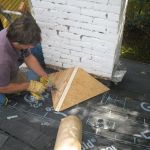 How to Install a Roof Cricket Behind a Rooftop Stairwell Enclosure
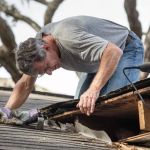 How Much Does It Cost to Repair a Roof Leak Around a Vent Pipe?
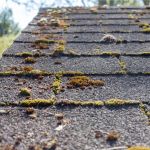 Roof Algae Stain Removal: Why Pressure Washing is a Bad Idea
 How to Choose a Roof Color for a House with Dark Siding
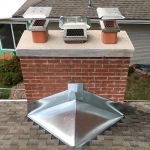 How to Install a Roof Cricket Behind a Chimney to Divert Water and Prevent Leaks