

Roof Sealant Patch: Ask What It Can and Cannot Fix
On this page
Quick answer
Roof sealant can be appropriate at specific joints or details when the roofing manufacturer calls for it, but it cannot replace missing flashing, repair rotten decking, correct poor drainage, or renew worn-out roofing. Ask the contractor to identify the water path, product, surface preparation, service life, warranty, and whether the patch is temporary or part of a complete repair.

GIKAS Roofing Company of Montclair
MontclairEssex CountyNew Jersey
120 Midland Ave 1st Floor, Montclair, NJ 07042, USA
What roof sealant does
Roofing sealants are flexible products designed for specific materials, joints, penetrations, fasteners, or repairs. Some cure with moisture, some require dry surfaces, and some are formulated for asphalt, metal, single-ply membrane, masonry, or flashing.
In a correct detail, sealant supports lapped and mechanically secured components. It should not be the only thing holding a loose roof assembly together.

Wright & Sons Roofers LLC
Long HillMorris CountyNew Jersey
1107 County Rte 512, Stirling, NJ 07980, USA
What it cannot fix
- Missing or incorrectly lapped flashing.
- Cracked, rotten, or soft roof decking.
- Widespread worn shingles or membrane.
- Ponding water caused by slope or drainage failure.
- Improperly installed skylights, vents, walls, or chimneys.
- Condensation that is not a roof leak.
A smear over the visible spot may redirect water into another path or hide deterioration.
Compatibility matters
The wrong chemical can soften asphalt, stain metal, attack membrane, prevent future adhesion, or void warranties. Old sealant may also need removal, cleaning, or a compatible primer.
Ask for the exact product name and manufacturer detail. “Roof caulk” is not a complete specification.
Temporary versus permanent work
An emergency patch may reduce water entry until weather allows a proper repair. Its scope should state the expected duration, inspection plan, and permanent next step. Temporary does not mean unmonitored.
A permanent repair should correct the failed detail, replace damaged materials, and integrate with the existing roof according to system instructions. Sealant may be one small component.
Questions for the roofer
- Where is water entering, and what evidence supports that?
- What roofing material and detail are involved?
- Is sealant approved by the roof manufacturer?
- What surface preparation and weather conditions are required?
- Is the work temporary or permanent?
- What hidden damage will be checked?
- How will the repair be tested?
- What warranty and maintenance apply?
What proper application considers
A contractor may need to remove loose material, clean and dry surfaces, prepare the joint, use backer material or reinforcement, apply the specified bead geometry, and allow cure time. Temperature, rain, dust, ultraviolet exposure, and movement affect performance.
More sealant is not necessarily better. Thick uncontrolled layers can skin over, crack, trap water, and look finished while remaining weak underneath.
Monitor from the ground
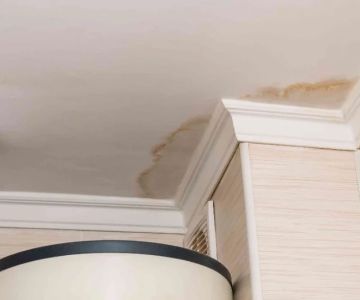
After repair, photograph the area from stable ground and record rain events. Check inside for recurring stains, odor, damp insulation, or new water paths. Do not climb to press or inspect curing sealant.
Ask the contractor how the repair was water-tested and what signs should trigger a return visit. Keep product and warranty records.
Warning signs
Seek prompt reassessment if leaking returns, sealant separates, the roof surface bubbles, metal continues moving, or staining spreads. Keep away from sagging ceilings, wet electricity, falling materials, and visible structural deformation.
Important limitations
This article is general homeowner information, not a sealant selection or application guide. Roof systems, climate, warranties, codes, and failure causes vary. Roof access and repair should be handled by qualified, insured professionals.
Sources and evidence notes
- Roof-system manufacturers: controlling product compatibility, preparation, application, and warranty instructions.
- National Roofing Contractors Association: professional roof maintenance and repair principles.
- Sealant manufacturers: technical data sheets, safety data, cure conditions, and approved substrates.
- Occupational Safety and Health Administration: roofing fall and ladder safety.
Frequently asked questions
Can sealant stop every small roof leak?
No. The leak may involve flashing, decking, drainage, or another source that surface sealant cannot correct.
Can I apply sealant from a ladder?
Do not perform roof repairs from a ladder. Falls, weather, tools, and unstable roofing require qualified access.
Why did a previous patch crack?
Movement, incompatibility, poor preparation, thick application, weather, or an uncorrected underlying defect may be responsible.
Should old sealant be covered?
Not automatically. Compatibility and adhesion need evaluation; some old material must be removed or primed.
Conclusion
Roof sealant is a detail product, not a universal repair. Require a diagnosis, compatible product, correct preparation, and a written explanation of whether the patch is temporary or permanent. Monitor the result from the ground and insist that hidden structural or flashing failures receive a complete repair.

 Wenhold Construction4.0 (3 reviews)
 Power Roofing Brooklyn5.0 (51 reviews)
 Apex East Roofing4.0 (262 reviews)
 Roofing contractor nyc0.0 (0 reviews)
 Americans Contractors Roofing Specialists5.0 (2 reviews)
 Marroquin Exteriors4.0 (100 reviews)
 How to Repair a Roof Leak in a Building with a Thatched Roof (Modern Methods)
 The Cost of Roof Moss Removal and Prevention Treatments: A Complete Guide
 How to Install Roof Flashing on a Roof with Multiple Skylights and Penetrations | BeachCo Roofing Hub
 Roof Sealant Patch: Ask What It Can and Cannot Fix
 How to Install Roof Vents on a House with No Soffits
 What is a Roofing Material Lead Time for Custom Orders? Planning Ahead