- energy-efficient-roofing-tax-credits-2026
- inflation-reduction-act-roofing-incentives
- qualifying-roofing-materials
- how-roofing-tax-credits-work
- homeowner-eligibility-requirements
- choosing-energy-efficient-roofing
- common-roofing-tax-credit-mistakes
- future-of-green-roofing-investments
1. Energy-Efficient Roofing Tax Credits in 2026: Why Homeowners Are Paying Attention
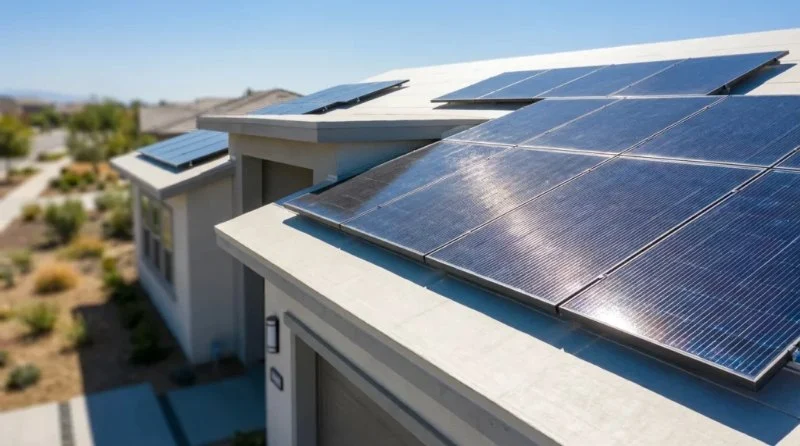
Energy costs continue to be a major concern for American homeowners, especially as heating and cooling expenses increase in many regions. One of the most effective ways to improve a home's energy performance is upgrading the roof. A well-designed energy-efficient roofing system can help reduce heat transfer, improve indoor comfort, and lower long-term utility costs.
In 2026, many homeowners are researching tax credits for energy-efficient roofing because federal incentives created through the Inflation Reduction Act continue to influence decisions about home improvements. These incentives encourage homeowners to choose products that improve energy efficiency while supporting broader clean energy goals.
Understanding what qualifies under current federal rules is important before starting a roofing project. Not every new roof automatically receives a tax benefit. The materials, installation requirements, documentation, and eligibility details all play a role.
Hyattsville Roofing Services
HyattsvillePrince George's CountyMaryland
4210 Gallatin St, Hyattsville, MD 20781, USA
1.1 Why Energy-Efficient Roofing Has Become a Popular Upgrade
Traditional roofing materials can absorb significant heat from sunlight, causing homes to become warmer during summer months. This often forces air conditioning systems to work harder. Energy-efficient roofing products are designed to reflect more solar energy or provide better insulation, helping maintain stable indoor temperatures.
For many homeowners, the decision is no longer only about replacing an aging roof. It is about making a long-term investment that combines protection, comfort, and possible financial incentives.
1.2 The Growing Interest in Federal Home Improvement Incentives
The Inflation Reduction Act introduced expanded support for energy-saving improvements. As homeowners learn more about available programs, roofing upgrades have become part of larger conversations about sustainable housing.
Companies and homeowners researching roofing options through resources such as BeachCo Roofing Hub can better understand available materials, installation considerations, and how energy efficiency connects with modern roofing decisions.
2. Understanding the Inflation Reduction Act and Roofing Incentives
The Inflation Reduction Act was designed to encourage Americans to invest in cleaner energy and more efficient homes. While many people associate the law with solar panels and electric vehicles, it also includes incentives related to residential energy improvements.
For roofing projects, the key consideration is whether the roofing materials meet the required energy efficiency standards. Homeowners should understand that tax credits are generally tied to qualifying products rather than simply replacing an old roof.
2.1 How the Federal Tax Credit System Works
A tax credit directly reduces the amount of federal income tax a homeowner owes. This differs from a tax deduction, which reduces taxable income. Because credits reduce the actual tax bill, they can provide meaningful savings for eligible homeowners.
The value of the credit depends on the specific incentive rules, qualifying expenses, and applicable limits in the tax year when the improvement is completed.
2.2 Roofing Improvements and Energy Performance Standards
The purpose of roofing incentives is not simply to encourage new construction. The focus is improving energy performance. A roof that reflects solar heat or reduces energy demand supports the overall goal of making residential buildings more efficient.
Homeowners should always verify current federal requirements before purchasing materials because incentive rules can change over time.
3. What Roofing Materials May Qualify for Energy Tax Credits
One of the most common questions homeowners ask is: “Does my new roof qualify for a tax credit?” The answer depends largely on the type of roofing material selected and whether it meets federal efficiency standards.
3.1 Energy-Efficient Metal Roofing
Metal roofing has become increasingly popular because of its durability and potential energy-saving benefits. Certain metal roofs with appropriate coatings can reflect solar radiation and reduce heat absorption.
Reflective metal roofing can be especially valuable in warmer climates where cooling costs represent a significant portion of household energy use.
3.2 Reflective Asphalt Roofing Products
Some asphalt roofing products are designed with reflective properties that help reduce heat buildup. These materials may include special granules or coatings designed to improve solar reflectance.
However, not every asphalt shingle qualifies. Homeowners need to check product specifications and certification information before assuming eligibility.
3.3 Roof Coatings and Additional Energy Improvements
Certain roof coatings may improve energy performance by increasing reflectivity and extending roof life. These coatings can be useful for some existing roofing systems, although eligibility depends on specific requirements.
A professional roofing assessment can help determine whether a coating, replacement, or complete upgrade provides the best long-term value.
4. How to Claim a Roofing Tax Credit Step by Step
Understanding the claiming process can prevent homeowners from missing important documentation. A successful tax credit claim requires preparation before and after completing the roofing project.
4.1 Step 1: Research Eligible Products Before Installation
Before signing a roofing contract, homeowners should research whether the selected materials meet federal energy efficiency requirements. Product labels, manufacturer certifications, and official documentation are valuable resources.
Choosing materials first and checking eligibility later can lead to disappointment if the product does not qualify.
4.2 Step 2: Keep All Project Records
Documentation is an important part of any tax-related home improvement. Homeowners should keep:
1. Roofing invoices
2. Material information
3. Manufacturer certifications
4. Installation records
5. Payment receipts
Organized records make tax preparation easier and provide proof if questions arise later.
4.3 Step 3: Complete the Appropriate Tax Forms
When filing taxes, homeowners generally need to use the applicable IRS forms related to residential energy improvements. Because tax regulations can change, consulting a qualified tax professional is recommended for personal situations.
5. Homeowner Eligibility Requirements for Roofing Tax Credits
Not every homeowner will automatically qualify for energy-efficient roofing incentives. Several factors influence eligibility.
5.1 Primary Residence Requirements
Many residential energy incentives focus on improvements made to a taxpayer's main home. Vacation homes, rental properties, and commercial buildings may have different rules.
5.2 Timing of the Roofing Project
The year when the roofing improvement is completed matters. A project finished in one tax year may follow different rules than a project completed later.
5.3 Product Certification Requirements
A common mistake is assuming that any “green” or “eco-friendly” product qualifies. Federal incentives usually require specific performance standards. Homeowners should confirm certification before making a purchase.
6. Choosing the Right Energy-Efficient Roof for Your Home
Selecting a roof involves more than looking for a possible tax credit. A good roofing decision should consider climate, home design, durability, maintenance needs, and overall cost.
6.1 Consider Your Local Climate
Homes in hot areas often benefit from highly reflective roofing materials, while homes in colder regions may prioritize insulation and moisture control.
The best roofing solution depends on local weather patterns and the specific needs of the building.
6.2 Balance Upfront Costs and Long-Term Savings
Energy-efficient roofing materials may have higher initial costs compared with standard options. However, reduced energy bills, longer product lifespan, and potential incentives can improve the overall return on investment.
6.3 Work With Experienced Roofing Professionals
A qualified roofing contractor can help homeowners select appropriate materials and complete installation correctly. Poor installation can reduce the energy benefits of even the best roofing products.
7. Common Mistakes Homeowners Make With Roofing Tax Credits
7.1 Assuming Every Roof Replacement Qualifies
Replacing an old roof improves home protection, but replacement alone does not guarantee eligibility. The energy performance of the materials matters.
7.2 Failing to Save Documentation
Losing receipts or product information can make the tax credit process more difficult. Keeping records from the beginning is one of the easiest ways to protect your investment.
7.3 Ignoring Professional Advice
Some homeowners choose products based only on price. While affordability matters, selecting the wrong material may reduce energy savings and eliminate potential incentives.
8. The Future of Energy-Efficient Roofing Investments
Energy-efficient roofing is becoming an important part of modern home improvement. As homeowners look for ways to reduce energy costs and improve comfort, roofing technology continues to evolve.
Future roofing systems may include advanced reflective materials, improved insulation technologies, and smarter designs that work together with other home energy solutions.
8.1 Why Roofing Is Becoming Part of Energy Planning
A roof is no longer viewed only as a protective barrier against weather. It is becoming an active component of home energy management. The right roofing system can influence heating, cooling, and overall household efficiency.
8.2 Making a Smart Roofing Decision in 2026
For homeowners considering an upgrade, the best approach is to combine practical needs with available incentives. Research qualifying materials, maintain proper documentation, and work with experienced professionals.
Tax credits for energy-efficient roofing in 2026 can provide valuable support for homeowners who choose qualified improvements. By understanding the requirements of the Inflation Reduction Act and selecting the right roofing materials, homeowners can create a more comfortable, efficient, and sustainable living space.
 Allstar Metal Roofing4.0 (30 reviews)
 IME Construction, LLC5.0 (13 reviews)
 Lipson Roofing5.0 (3 reviews)
 Dynamic Exteriors llc5.0 (2 reviews)
 ECUA GIOVANNY CONSTRUCTION LLC4.0 (34 reviews)
 Cabrera & Sons Roofing4.0 (39 reviews)
 How to Install a Roof Cricket on a PVC Roof Membrane
 How Long Does a Roof Tear-Off Take? Full Timeline Explained
 Roof Valley Flashing Explained & Why Open Valleys Leak More Often
 How to Install a Roof Cricket Behind a Chimney to Divert Water and Prevent Leaks
 The 24-Hour Emergency Roofing Checklist After Storm Damage
 The Best Roofing Materials for a Net-Zero Energy Home